


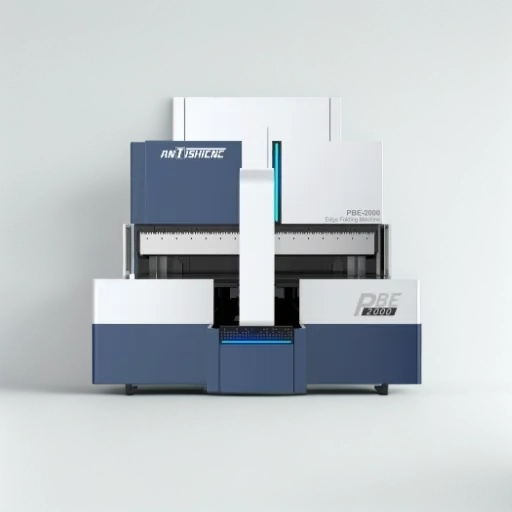
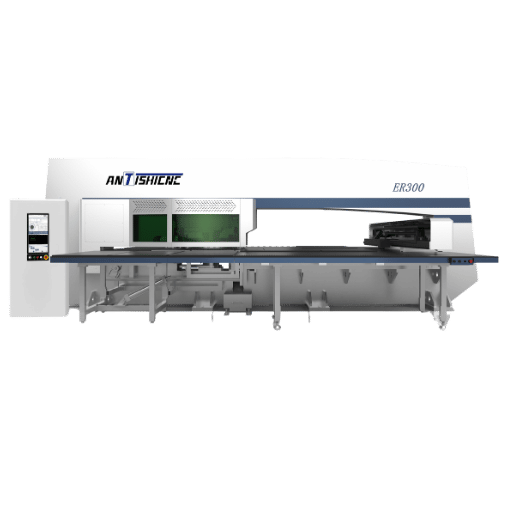


Being paramount tools in precision engineering, vertical lathes are given the utmost respect. These are machines treated with great care for large, heavy, and odd-shaped workpieces which otherwise could not have been handled rightly on a horizontal lathe. And this detailed guide shall give an insight into production improvement concerning manufacturing precision and reliability in the different industries through vertical lathes.
Introduction to Vertical Lathes
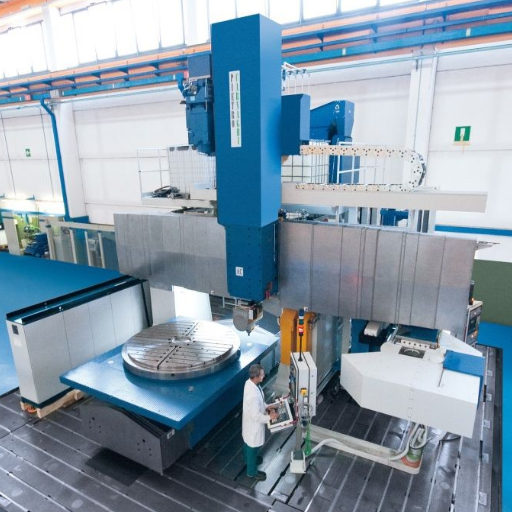
What is a Vertical Lathe?
The lathe being vertical, in essence, is an important machine for turn, bore-and-face operations. When it is working, the work is fixed in an upright position, creating a free axis of rotation. Very large and capable of voting consciences, such machines are often labelled the Goliaths of machining.
Key Advantages:
- Handles workpieces weighing several tons
- Better chip clearing due to vertical positioning
- Convenient loading and unloading of heavy parts
- Superior gravity-assisted workpiece stability
Modern vertical lathes equipped with CNC systems ensure precision, high efficiency, and automation. These machines are of different sizes: their turning diameters may range from a few hundred millimeters to several meters, catering to both large and small industries.
Importance of Vertical Turning in Machining Industry
Painted with huge intriguing applications in modern machining industries for handling large and heavy parts with good precision, vertical turning finds use in industries including aerospace, automotive, energy, and heavy equipment manufacturing.
Market Growth: According to some industry reports, the global vertical lathe market is steadily growing, projected to grow further at over 5% CAGR until 2030 owing to increased component complexity and the implementation of Industry 4.0.
Types of Lathes
| Lathe Type | Primary Use | Key Features | Industry Application |
|---|---|---|---|
| Engine Lathe | General machining | Manual operation, versatile | Small-scale shops, custom production |
| Turret Lathe | Mass production | Multiple tool holders, rotating turret | Repetitive manufacturing jobs |
| CNC Lathe | Precision automation | Computer-guided, high accuracy | Aerospace, automotive (30% of global market) |
| Vertical Lathe (VTL) | Large, heavy parts | Vertical workpiece mounting | Turbine rotors, engine casings |
| Bench Lathe | Small precision work | Compact, portable | Workshops, laboratories, education |
| Automatic Lathe | High-volume production | Fully automated processes | Small component manufacturing |
Basic Components of a Vertical Lathe
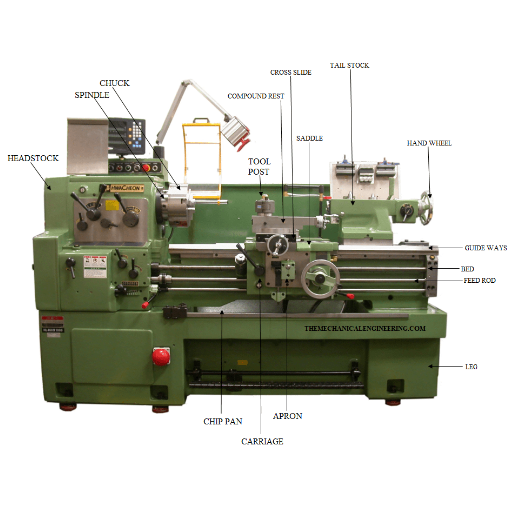
Chuck: Gripping Workpieces Firmly
The chuck serves to grasp the workpiece with lots of force during machining. In recent times, hydraulic and pneumatic systems are used to provide constant clamping pressures.
Types of chucks:
- Three-jaw chucks: Perfect for cylindrical workpieces and fast centering
- Four-jaw chucks: For irregular-shaped or asymymetrical workpieces
- Magnetic chucks: Special application where jaws don’t suit
Impact on performance: Reports from the industry state that CNC lathes with sophisticated chuck systems have recorded up to 25% productivity increase in manufacturing operations.
Tool Holder: Types and Functions
Tool holders serve as the critical interface between cutting tools and machine spindles, ensuring stability, precision, and efficiency in machining operations.
| Tool Holder Type | Mechanism | Best Applications | Key Benefits |
|---|---|---|---|
| Collet Chuck Holders | Collet gripping | High-speed operations | Precision, reduced runout |
| Hydraulic Holders | Fluid pressure | High-precision tasks | Superior vibration damping |
| Shrink Fit Holders | Thermal expansion | Maximum rigidity required | Secure bond, minimal movement |
| Quick-Change Holders | Rapid tool exchange | High-production environments | Reduced downtime |
Performance Data: Research by leading manufacturers shows that proper tool holders can extend cutter life by up to 50% and reduce machining vibrations by 30%.
Rotating Table: Mechanism and Advantages
The chuck is an important part and thereby the workpiece is held firmly during machining. The new chucking systems use hydraulic or pneumatic means to provide a constant clamping force.
Types of Chucks:
- Three-jaw chucks: The quick centering chuck is designed for cylindrical workpieces.
- Four-jaw chucks: Suitable for irregular-shaped or asymmetrical workpieces.
- Magnetic chucks: Applied for those specialty applications in which jaws are unacceptable.
Performance Impact: Such are the examples of CNC lathes, with enhanced chucking applications showing increases in productivity of as much as 25% in manufacturing processes.
Working Principles of Vertical Lathes
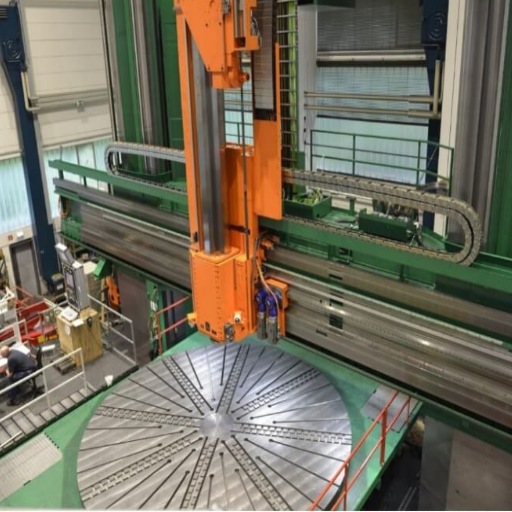
Working Procedure of Vertical Lathe
The workpiece is firmly attached to the chuck or other adequate clamping means. Hydraulically operated clamps now allow for automated workpiece loading throughout the weight range of some hundreds of kilograms to several tons on vertical lathes.
Machine Setup
Setup cutting speeds, tool paths, feed rates, and depth of cut. CNC systems ensure very high and repeatable accuracy for the maximized performance of machining.
Tool Selection and Setting
Select cutting tools for specific operations such as turning, boring, and drilling. Modern lathes are equipped with tool turrets or automatic tool changers for efficient tool handling.
Rough Turning
Remove large volumes of material by rough turning to bring the workpiece near its final dimensions. Operations require great amounts of torque, and spindles and supports provided by the machine must be rigid enough to withstand aggressive machining of heavy materials such as cast iron, steel, or titanium.
Final Passes
Bring out the last precision passes along with a suitable advanced cutting tool (carbide or ceramic) to give a surface finish and dimensional accuracy as specified.
Quality Control & Unloading
Inspect using integrated measuring systems (on-machine probe, laser) and then remove the workpiece with great care for fix verification.
CNC Integration in VTL Machines
The CNC technology implementation into VTL machines has brought a drastic upheaval in the manufacturing processes, infusing unprecedented accuracy, automation, and repeatability.
Market Growth: ResearchAndMarkets (2023) currently projects the CNC machining industry to register a CAGR of 7.4% from 2023 to 2030, thus propelled by increasing automation technologies such as AI and IIoT.
Advanced CNC Features:
- Real-time monitoring of tool wear and cutting forces
- Multi-axis control for complex geometries
- Cloud-based connectivity for remote diagnostics
- Predictive maintenance capabilities
- Accuracies within ±0.001 inch
Vertical vs Horizontal Lathes Comparison
| Aspect | Vertical Lathes | Horizontal Lathes |
|---|---|---|
| Workpiece Size | Large, heavy components (several tons) | Small to medium-sized parts |
| Stability | Gravity-assisted stability, reduced vibrations | Horizontal support, weight limitations |
| Chip Management | Gravity-assisted chip evacuation | Unobstructed chip flow path |
| Tool Accessibility | Top-down tool approach | Side tool access, faster setup |
| Applications | Aerospace, energy, heavy machinery | Automotive, general machining |
| Initial Investment | Higher upfront cost | Lower initial investment |
| Market Growth | 12% annual penetration in energy/aerospace | Steady growth in automotive sector |
Applications of Vertical Lathes in Various Industries
Aerospace: Precision Engineering
Engraving-type work is critically carried out by vertical turning machines for jet engine casing manufacture, turbine blade production, and on cylindrical objects requiring tolerances in the micron range.
Market Growth: Growing at a CAGR of 5.7% (2023-28) owing to demand for lightweight and efficient aircraft components.
Automobile: Efficient Manufacturing
Various engine blocks, brake components, and drivetrain components are the workpieces for vertical lathes in the automobile sector with lean manufacturing principles enforced.
Industry 4.0 Impacts: Foreseen Efficiency gains of up to 30 % from IoT-enabled machines and AI-based predictive maintenance.
Energy: Heavy Components
Manufacturing turbine rotors, generator components, and pressure vessels requiring stability and precise machining capabilities.
Capacity: Up to 150 tons of workpieces with over 16 meters diameter can be handled.
Advantages of Using Vertical Lathes

Superior Workpiece Stability
Vertical lathes provide unmatched stability for large, heavy workpieces through gravity-assisted positioning and advanced bearing systems.
Technical Specifications:
- Hydrostatic bearing systems for minimal friction
- Workpiece capacity up to 150 tons
- Diameter capabilities exceeding 16 meters
- Reduced vibrations and enhanced accuracy
Enhanced Precision and Surface Finish
Modern vertical lathe technology delivers superior precision and surface finish quality through advanced cutting tools and adaptive control systems.
Performance Improvements:
- 50% reduction in surface roughness values
- Tolerances down to ±0.001 inches
- Real-time parameter adjustment
- Digital twin modeling for defect prevention
Operational Efficiency
Integration of IoT, automation, and ML top-streamlined processes to reduce cycle times and product costs.
Efficiencies Gained:
- 30% wastage of material has been reduced through CNC machining.
- 50% increase in throughput rates.
- 20% increase in machine uptime with predictive maintenance.
- 25% reduction in maintenance costs.
Frequently Asked Questions
What is a vertical lathe machine, and how does it work?
What kinds of vertical lathe machines are available?
Where are vertical lathes commonly used?
What advantages do vertical lathes offer over horizontal lathes?
How does a CNC vertical lathe differ from traditional lathes?
Reference Sources
- Modernizing Industrial Equipment: A Case Study of Retrofitting a Vertical Lathe
- Characterization of a Vertical Two-Axis Lathe
- Thermal Deformations Analysis of Large-Scale Vertical Lathe
- Vibrostability Analysis on a Vertical Lathe
- Deformation Behavior Prediction and Structural Optimization of Vertical Lathe