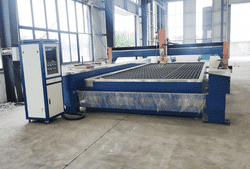


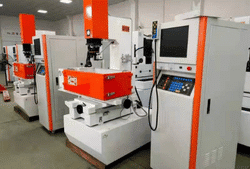
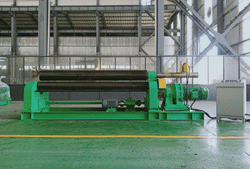

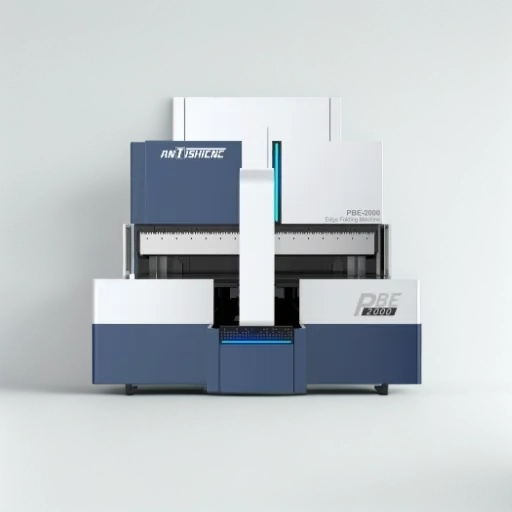
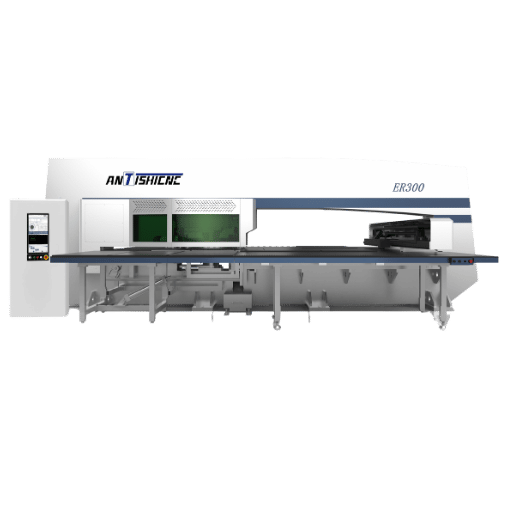
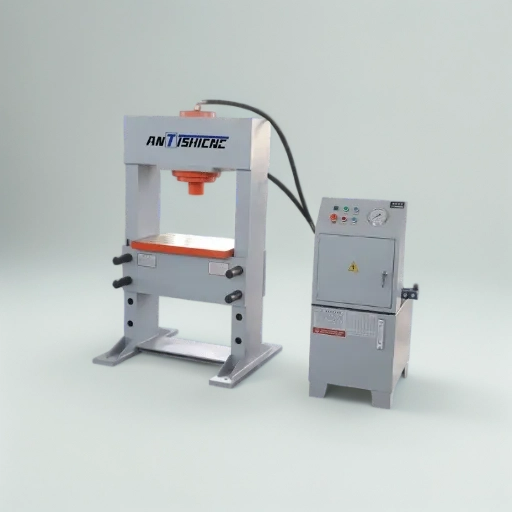


Industrial pipe slotting machines are crucial for the pipe slotting processes employed by pipe benders, ironworkers, and other trades for various applications. This blog explores the key features that make these machines indispensable, the innovative solutions they offer to common industrial challenges, and the diverse applications of pipe slotting machines. Whether you want insights to increase production, explore the latest advancements in pipe slotting, or understand how the machine can elevate your application, this guide will provide you with valuable information to inform your decision-making. So, follow on-camera and learn how a particular pipe slotting machine can alter working methods.
Introduction to Pipe Slotting Machines
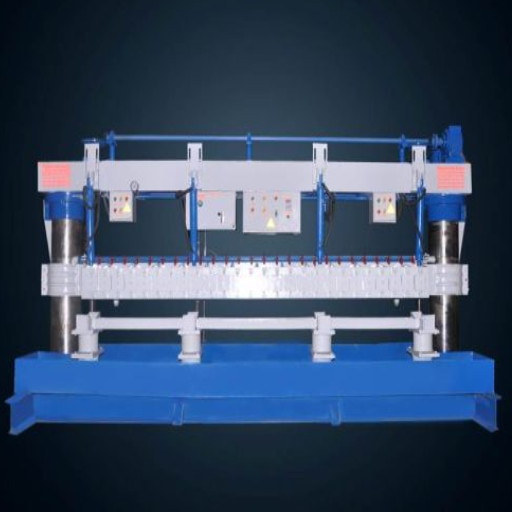
Pipe slotting machines are specially designed tools for cutting precise slots and openings into pipes for various purposes. These slotting machines find application in industries such as water management, mining, and construction, wherein slotted pipes are used for filtration, drainage, or fluid flow control. These machines provide consistency, punctuality, and efficiency by automating the slotting process, which is crucial for a particular operation to achieve the best output. Modern-day pipe-slitting machines feature adjustable settings that accommodate various pipe materials and sizes, making them truly universal machines for industrial purposes.
What is a Pipe Slotting Machine?
Pipe slotting machines are specialized machines that enable the creation of slots or perforations in pipes for various applications. These machines utilize cutting-edge technology, allowing the slots to be cut with uniform dimensions and high precision, serving purposes such as fluid filtration, drainage systems, and oil recovery. Pipelines can be made from various materials, depending on the job, such as stainless steel, PVC, or any number of industrial-grade composites, with diameters ranging from a few inches to several feet.
Modern pipe slotting machines now offer programmable controls, allowing for the modification of slot width, length, and spacing according to project needs. Advanced pipe slotting machines feature a CNC system to enhance precision through the automation of complex cutting patterns. CNC-controlled slotting, for instance, can maintain tolerance levels of up to ±0.01 mm, providing suitable applications with very tight dimensional controls, such as well casing or industrial filtration systems. Slotting speeds and production rates vary significantly from model to model, with some machines capable of slotted pipe throughput of upward of 100 meters per hour.
With cutting tools for pipe slotting typically being carbide- or diamond-tipped to offer durability and efficiency, safety features are therefore paramount. For example, automatically locking systems and integrated coolers help keep the machine cool during a long, hard-working day. With versatility and accuracy, pipe slotting machines serve high-end industries that require reliable, quality slotted pipes.
Importance of Pipe Slotting in Various Industries
Slotting is crucial in many industries, enabling the regulation of fluids, filtration, and structural support. Slotted pipes are essential to the oil and gas industry for sand control in boreholes, preventing the intrusion of granular materials that would otherwise impede the flow of oil and gas at optimal rates. Research indicates that slotted liners in wellbores significantly increase productivity, thus reducing downtime.
Additionally, in water resource management, slotted pipes are used for drainage and irrigation purposes. The accurate slotting ensures evenly distributed water and prevents blockage, thereby enhancing agricultural efficiency. Research indicates that the improved design of slotted drainage pipes can achieve a 30-40% increase in water flow rate compared to conventional ones.
The mining and construction sectors heavily rely on slotted pipes for dewatering activities, where groundwater level stabilization is a significant concern. Custom-designed slot patterns facilitate proper drainage of water and prevent soil erosion while improving the stability of excavation sites. Additionally, geothermal energy and environmental engineering utilize slotted pipes in heat exchange systems and groundwater monitoring systems, respectively, demonstrating their versatility and importance in sustainable practices.
Modernization in slotting technology has enabled further potential applications of slotted pipes. With the introduction of laser technology and CNC machining, they are able to provide ultra-precise patterns, which contribute to increased durability and, consequently, improved performance. This translates into significant enhancements to operational efficiency and cost-effectiveness of the industries that majorly depend on these pipes, thereby accentuating pipe slotting as an essential facet in meeting the needs of modern industries.
Overview of Different Types of Slotting Machines
The slotting machine industry has expanded its capacity to meet increasing industrial demands with special features for various applications. Some of the main types of slotting machines are given below with their features and common usage:
1. Horizontal Slotting Machines
Horizontal slotting machines are used for slotting cylindrical or elongated parts. In general, these machines are considered highly precise, and industries such as petroleum extraction and water filtration employ them in their operations. Some of the very best machines even come with automatic material feeding systems, allowing for high throughput without sacrificing accuracy. According to reports, the efficiency of slotting machines has been increased by up to 30% in modern, horizontally oriented slotting machines, compared to older models.
2. Vertical Slotting Machines
Usually, vertical slotting machines are used for machining grooves, slots, or keyways in metal surfaces. They are preferred for the slotting operation due to their stability when working with complex materials. These machines are typically equipped with programmable controls and CNC capabilities for producing slotting patterns as needed. CNC vertical slotting machines may reduce material waste by 20% while improving surface finishes.
3. Hydraulic Slotting Machines
Hydraulic slotting machines utilize hydraulic systems to deliver a smooth and continuous cutting force, making them ideal for heavy-duty applications. They perform well in conditions requiring heavy loads, accompanied by high precision. The integration of energy-efficient hydraulic systems has resulted in a nearly 15% reduction in power consumption, making it an environmentally conscious choice for operators.
4. CNC Slotting Machines
Being among the latest in slotting methods, CNC slotting machines feature completely automated control systems that incorporate highly intricate slot designs with precise accuracy. Their interest and versatility lie in manufacturing a vast array of materials encompassing metals, plastics, and industrial-grade composites. The advancements created by AI-enabled CNC systems have increased processing speed and decreased setting time by 40%.
5. Laser Slotting Machines
Laser slotting machines use laser beams, which have extreme power, to cut slots with unmatched accuracy and speed. Due to the critical nature of tight tolerances, these machines are beneficial to industries such as aerospace and medical device manufacturing. Analytical measurements have demonstrated that laser slotting machines can achieve precision at the micron level, making them crucial for cutting-edge technological applications.
6. Portable Slotting Machines
Portable slotting machines are designed for workshops or small work sites with limited space. Although small and lightweight, these machines provide plenty of power for satisfactory slotting. They are common in MRO work. Due to advancements in battery technology, portable slotting machines can offer longer run times and increased mobility, thereby reducing downtime in field operations.
By identifying the special features that belong to each type of slotting machine, industries can implement optimized processes for economic efficiency and meet the stringent standards of contemporary manufacturing and construction. Innovative technologies in new versions continue to be integrated, making slotting machines a crucial factor in industrial advancement.
Key Features of Pipe Slotting Machines
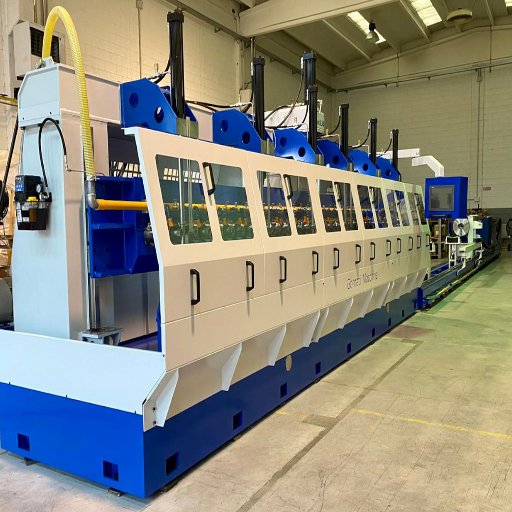
Essential Features That Define Quality
- Precision Cutting: Granting accurate slot size and evenness to serve them in the best way.
- High Efficiency: Multiple pipes can be processed simultaneously, providing speedy results that reduce the overall production time.
- Durability: It has always been built with durable materials to withstand extended periods under working conditions.
- Adjustable Settings: Provides options to customize the device for various pipe sizes and specifications.
- Ease of Operation: Users can operate this device with minimal effort and training, requiring only a few instructions.
- Low Maintenance: Requires less maintenance, thereby reducing further operating costs.
Precision Cutting Capabilities
The laser cutting system utilizes state-of-the-art laser technologies for precise accuracy and can make cuts with an accuracy of 0.1 mm. It is the most accurate cutting machine in industries where tight tolerances are considered, such as aerospace, automotive, and high-performance manufacturing. Automated sensors in the system are always part of this mechanism, with adjustments made to cutting parameters to compensate for any deviation during operation across various materials, including steel, aluminum, and composite alloys. With these recent developments, precision cutting systems could increase productivity by as much as 30% while reducing material waste by 20%, making the entire solution cost-effective and environmentally friendly.
Automatic vs. Semi-Automatic Slotting Machines
| Feature | Automatic Slotting Machines | Semi-Automatic Slotting Machines |
|---|---|---|
| Human Intervention | Minimal – operates essentially without operator intervention | Some manual operations are required |
| Control Systems | CNC systems, automatic sensors, and AI-assisted algorithms | Basic programmable controls with manual adjustments |
| Accuracy | Highest precision with consistent quality | Good precision with operator skill dependency |
| Production Speed | Up to 40% increase in operational efficiency | Longer production times due to manual steps |
| Initial Cost | Higher upfront investment | Lower initial cost |
| Best For | High-volume production, complex designs | Small-scale manufacturing, customization needs |
| Operational Savings | Long-term cost efficiency through automation | Up to 15% cost reduction for low-volume applications |
By narrowing down the needs of production, budget constraints, and scalability, the decision between the two types of machines is made based on a trade-off among precision, speed, and cost competitiveness.
Material Compatibility: PVC Pipes, Oil, and Gas
PVC (Polyvinyl Chloride) pipes are widely used in various applications due to their durability, low cost, and resistance to corrosion. But their compatibility concerning the oil and gas industries needs to be weighed carefully. PVC pipes, in general, withstand aliphatic hydrocarbons, which are usually present in natural gas and some varieties of oil, allowing them to be used in some low-pressure applications. Test results have shown that PVC withstands the effects of oils at a temperature not exceeding 140°F (60°C).
PVC gas transmission applications, such as natural gas transmission, among others, are often discounted due to degradation that occurs over time from exposure to high-pressure gas and extreme temperatures. PVC must comply strictly with safety standards when used in such applications, or the structure will certainly face instability and leakage. Higher-temperature and pressure-carrying requirements typically lead to the utilization of steel or composite formulations overtaking PVC.
Conversely, with all the recent advances, special formulations offer some improvements in chemical resistance under certain conditions. Chlorinated PVC (CPVC), for example, exhibits improved heat resistance and tolerates more aggressive chemicals, making it a suitable alternative in industrial applications for certain oils or low-pressure gas interactions.
Depending on the requirements of a particular system, environmental factors, operating conditions, and material specifications must be carefully considered to ensure long-term performance and safety.
Applications of Pipe Slotting Machines
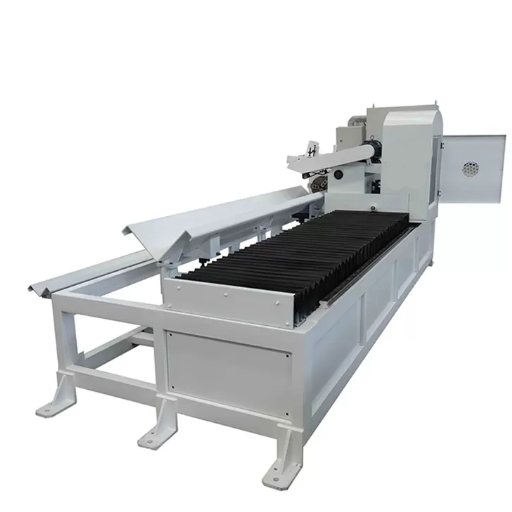
Besides its prominence in industries such as oil and gas, water management, and construction, pipeline slotting occupies a key role in the machining industry and tool manufacturing. The primary function of pipe slotting machines is to create precise slots and perforations in pipes, enabling them to be used for filtering, draining, or controlling fluid flow. Specifically, they manufacture well casings, drainage pipes, and pipes used in infrastructure construction projects. They provide uniformity and precision, which increases the efficiency and reliability of such systems in the industrial and environmental sectors.
Pipe Slotting in Water Well Production
Critical Role in Water Extraction
Pipe slotting plays a crucial role in ensuring the production of water wells and safe water extraction operations while maintaining the well’s structural integrity. The slots are intentionally cut into the pipe to allow water passage while keeping sand, sediment, or other particulate matter out. This vastly reduces the likelihood of clogging and increases the operational life of the well.
Contemporary pipe slotting machines enable the creation of precise slots with uniform widths ranging from 0.2 mm (0.008 inches) to 2 mm (0.08 inches), depending on geological conditions and water flow requirements. According to industry reports, a slotted pipe achieves the ideal percentage of open area between 6% and 12%, with improved water inflow and durability as the primary targets. Cast out of stainless steel of the highest grade or PVC, these pipes are designed to resist corrosion and environmental degradation even under adverse weather conditions.
Laser slotting machines are a more recent and advanced slotting method. They reduced the manufacturing time by approximately 25% compared to traditional mechanical slotting, thereby improving productivity. Their ability to work with complex slot patterns also improves water velocity, which is expected to increase demand for high-capacity water well systems.
The impetus for the water well industry is thus combining quality materials with state-of-the-art slotting techniques, dramatically improving performance and sustainability, and catering to the ever-growing global demand for proficient water management solutions.
Industry Uses: Oil and Gas Sector
The most advanced slotting techniques available worldwide are utilized by the oil and gas industry to facilitate extractions and enhance operational efficiency. Slotting technology is widely used in sand control systems, where precision-engineered slots are created in pipes and screens to prevent sediments and debris from reaching the oil or gas being extracted. This reduces equipment wear and increases the operational time of pipelines and machinery.
According to research, with increased drilling activities and advancements in well completion technologies, the global sand control systems market is expected to grow significantly, reaching a valuation of over $3 billion by 2028. Slotting technology is of prime importance in this growth, as it reduces the probability of blockages, allowing fluid flow to remain consistent and at a higher production rate.
Furthering this, slotting is occasionally installed in specialized water injection wells and EOR techniques to improve water distribution and sweep efficiency in the reservoir. This type of slotting has enhanced field productivity, with some studies citing improvements of up to 30% in recovery when advanced slotting systems are applied. These advancements demonstrate that precision slotting plays a vital role in maintaining production levels in mature oil fields and minimizing the environmental impact of extraction activities.
Custom Solutions for Different Pipe Sizes
High-performance, precision slotting systems have been designed to accommodate a variety of pipe sizes, providing flexibility and adaptability in any operational setting. With smaller diameter pipes, customized slotting patterns are used, incorporating high-density perforations, to allow for uniform flow while maintaining structural strength. Research has shown that optimized patterns in pipes as small as 2 inches in diameter can improve filtration and fluid distribution, thus decreasing blockage and increasing flow rate by up to 25%.
In larger pipes, which are usually above 8 inches in diameter, high technology centers on standardizing slot dimensions while considering the pipe’s tendency to collapse under high-pressure conditions. Computational models and field data suggest that reinforcing methods, such as the ribbed internal structure, can increase durability by over 40%, even in harsh environments.
Additionally, these customized solutions offer the added advantage of allowing tailor-made specifications according to the reservoir’s characteristics. For example, precision slotting in high-viscosity reservoirs better controls water or gas injection, making for a more efficient recovery process. Case studies have also emphasized that recovery efficiency in some operations went up by about 20-30% when slot size and pattern were matched to reservoir parameters. These innovations again underscore the importance of custom slotting solutions in addressing a wide range of operational issues across various pipe specifications.
Choosing the Right Slotting Machine
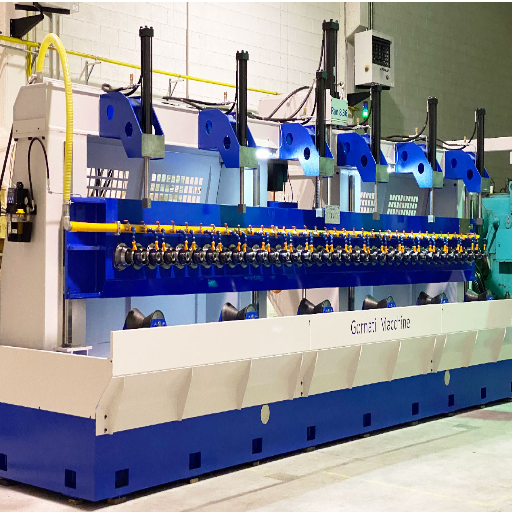
Choosing the right kind of slitting machine depends on the very requirements of your operations. Ensure the machine is compatible with your pipe specifications, including size, material, and other relevant details. Pick the ones with precise control over slot patterns and their customizations, as that directly impacts recovery efficiency. Select renowned manufacturers that emphasize reliability and durability. Ensure that the machine is easy to use, has a user-friendly interface, and provides adequate maintenance support, so productivity remains the primary factor.
Factors to Consider When Selecting a Machine
- Precision and Accuracy
When choosing a machine for precision work or intricate applications, accuracy and precision should be the primary concerns. If there are CNC controls or some automated system, one should select it to achieve the smallest error margin. Most modern machines, for instance, claim to have tolerances close to ±0.001 inches, which are critical for aerospace or medical device work. - Energy Efficiency
An energy-efficient machine reduces costs associated with its operation, thereby contributing to the goal of a greener environment. Opt for machines that offer energy-saving features, utilize Variable Frequency Drives (VFDs), or incorporate energy recovery systems. For example, machines with an Energy Star rating can save up to 30% energy. - Scalability and Capacity
I believe you should consider how well the machine can be scaled to your future needs. Machines with a modular build or that can be adapted for various work scales are highly preferred. Thus, a machine whose bed length can be extended or whose components can be altered to accommodate larger or more complex tasks as time goes by avoids very costly upgrades. - Maintenance and Durability
Durability is critical in further reducing costs. Machines constructed from high-quality materials, such as stainless steel or reinforced alloys, tend to withstand harsh environments. With that, opt for machines equipped with self-diagnosing tech or predictive maintenance alerts to minimize unforeseen downtimes. Manufacturers would even provide recommended maintenance schedules, such as quarterly or yearly, as a testament to guaranteed operational reliability. - Cost-Effectiveness
The initial price isn’t as high as the various other financial aspects, such as spare parts, warranty conditions, and operational costs. Machines that are inexpensive to maintain and have extended warranties will quickly provide a return on investment (ROI). In several industrial case studies, it is very often revealed that an initial expenditure of around 15-20% more than an average-quality machine can save about 40% on the other hand, for maintenance and repairs throughout its lifespan. - Technological Features
Many machines installed in manufacturing plants could incorporate new technologies such as IoT connectivity, remote monitoring, or AI-based optimization. These features enable real-time data collection and analysis, helping to identify performance improvements. Intelligent machines perform better because they can analyze usage patterns and optimize output, which could translate into a 25% increase in operator productivity. - Compliance and Safety Standards
Verify that the machine complies with regulations such as ISO, OSHA, or CE certification. Compliance safeguards guarantee that the machine can operate safely. Furthermore, machines equipped with enhanced safety guards or improved safety features, such as automatic shutoff modes, would help protect operators while maintaining production efficiency.
Carefully assessing these factors will help you make an informed decision aligned with your immediate needs and long-term goals.
Comparative Analysis of Leading Brands: Gornati Macchine, Priyanka Machines, and BJS Engineers
Several features differentiate Gornati Macchine from Priyanka Machines and BJS Engineers.
Gornati Macchine
The Gornati Macchine stands for precision engineering and an advanced technological interface. The working machines in its harbors were as durable as they were creative, and featured a world-class automatic system that enhanced production. It especially stands out for sustainability; from manufacture to energy consumption, it follows so-called “green” practices.
Priyanka Machines
Priyanka Machines emphasizes affordability and customization as its forte. They offer modular machines for a wide range of industries, accompanied by highly acclaimed after-sales support. Their emphasis is on flexible solutions to meet industry-specific needs, making them an ideal choice for small and mid-sized enterprises seeking a workable and cost-efficient production routing.
BJS Engineers
BJS engineers design high-performance machines for complex industrial applications. They are characterized by their robust manufacturing capabilities and strict safety standards, including ISO certifications for their equipment. Their equipment is designed to last for a very long time with minimal maintenance and downtime. BJS Engineers also provide training materials and manuals to promote hassle-free operations and client satisfaction.
Each organization has its unique strengths, with Gornati Macchine excelling in innovation and technology, Priyanka Machines in affordability and adaptability, and BJS Engineers in heavy-duty performance and reliability. The choice should hinge on what could be weighted more: cutting-edge technology, cost efficiency, or industrial-grade performance.
Customer Feedback and Case Studies
Gornati Macchine
Customers often laud Gornati Macchine for their innovative solutions and advanced technology. There was a case in which a manufacturing client claimed to have achieved a 25% increase in production efficiency after integrating Gornati’s automated systems into their workflow. Testimonials highlight the smooth user interface and the support staff who work efficiently, ensuring downtime is kept to a minimum during implementation. Some users have also highlighted the durability of the machinery, as maintenance expenses have been kept to a minimum over time.
Priyanka Machines
Clients of Priyanka Machines appreciate its affordability and flexibility, thereby making it a good choice for small to medium enterprises. In one case, a startup reduced operational costs by 30% while retaining competitive production speeds. Users typically mention the ease of installation and customization options, allowing these machines to be tailored to specific operational needs. Among the praises are commendations for the company regarding its after-sales services and technical assistance.
BJS Engineers
BJS Engineers is highly praised for its heavy-duty performance and reliability in heavy industrial surroundings. A steel production facility experienced a substantial improvement in operational safety and productivity after implementing the robust equipment of BJS. The clients often point out the durability of the machines that are built to withstand quite hazardous working conditions. Equally worthy of praise is the company’s proactive approach to training, whereby teams learn to maximize the use of the machines and minimize downtime.
Such insights reveal how each brand faces distinct challenges in providing its respective clients with solutions that yield measurable benefits across various industries.
Future Trends in Pipe Slotting Technology
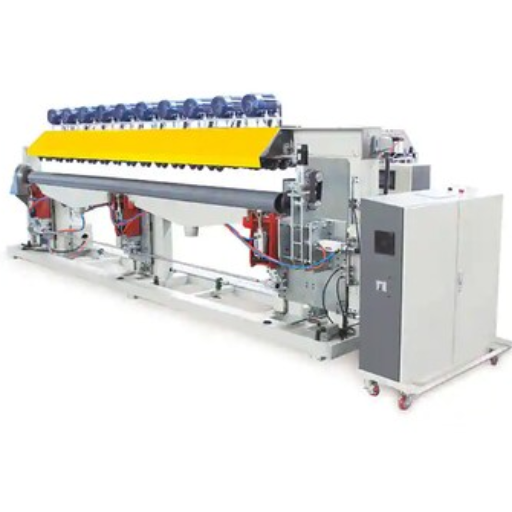
The future of pipe slotting technology is being shaped by advancements that aim to improve efficiency, accuracy, and sustainability. Automation and AI-driven systems are increasingly supporting quicker and more precise slotting. Laser and waterjet technologies also contribute to these goals by reducing material waste while ensuring better part quality. Sustainability is also highlighted as manufacturers begin to consider environmentally friendly routes for making their products, thereby preventing damage to the ecology. In essence, these innovations aim to streamline operations in response to the ever-increasing demand for sustainable and high-performance solutions.
Innovations in Machine Tools for Enhanced Efficiency
With rapid advances in automation, AI, and data integration, the field of machine tools has undergone a huge technological metamorphosis. Innovative machine tools are equipped with IoT connectivity, enabling real-time monitoring and predictive maintenance, which reduces downtime and increases efficiency. For example, research indicates that predictive maintenance systems can reduce unplanned outages by up to 50% and increase equipment longevity by 20–40%.
Another major innovation is additive manufacturing, which combines 3D printing techniques with traditional machining processes somewhere in between. With the hybrid approach, manufacturers can create complex geometries, resulting in material cost reductions of up to 30%. Robotics is, therefore, being implemented for assistance, with cobots working alongside humans to enhance precision and safety.
Additionally, there is a growing use of high-speed machining and advanced cutting tools made from materials such as polycrystalline diamond (PCD) and cubic boron nitride (CBN) by machine tool companies. These tools are generally more durable and can be used at speeds 3–5 times higher than conventional tools, which, in turn, increases production rates manifold.
These innovations, on the one hand, signify how modern technology facilitates the integration of a sustainable approach to manufacturing, enabling companies to meet their objectives in both performance and environmental terms.
The Role of Automation in Slotting Processes
Automation in the slotting process ensures more accuracy, efficiency, and consistency. From my perspective, the implementation of automated processes reduces manual errors, increases production efficiency, and ensures that resources are utilized optimally. Additionally, automation enables us to work with complex designs with ease, while still delivering high-quality results with reduced downtime and operational costs.
Potential Developments in Machinery for Industry Needs
Automation, artificial intelligence, and sustainability act as catalysts toward the future of industrial machinery. Regarding current trends, one significant development is the integration of AI and machine learning for purposes such as predictive maintenance, thereby increasing efficiency by reducing unexpected downtime. IoT-enabled machines monitor and share data in real-time, which helps industries to refine operations and increase productive output. With innovations in robotics, multi-purpose machines are being designed and built that can accommodate diverging manufacturing processes, thereby reducing the need for human intervention. The sustainability angle consequently promotes the design of energy-efficient machinery and techniques with a low environmental impact, given air pollution regulations and the goal of minimizing carbon emissions. This ensures the industry remains nimble and competitive in the arena of problematic global demands.
Reference Sources
“Laboratory Testing of High-Pressure Coiled-Tubing Drilling System”
Frequently Asked Questions (FAQs)
What Is the Pipe Slotting Machine?
A pipe slotting machine is a specialized tool for creating slots or grooves on various types of pipes, allowing PVC to be slotted as well. In industries that require high precision for pipe fittings and connections, this is given the highest importance.
How Does a Semi-Automatic Pipe Slotting Machine Work?
The semi-automatic pipe slotting machine requires little manual intervention. It comes equipped with a simple interface that allows operators to input parameters according to the requirements provided by clients. This machine helps increase productivity while maintaining slotting quality.
What are the Features of the Pipe Slotting Machine Given by Priyanka Machines?
The pipe slotting machines from Priyanka Machines are sturdy and highly efficient. Key features include adjustable slot size, compatibility with various pipe materials, and a convenient control panel that enables operators to efficiently cater to their clients’ production requirements.
Are There Any Videos That Show How the Pipe Slotting Machine Works?
Yes, several videos are available online that provide in-depth demonstrations of how pipe slotting machines operate. These videos also include tips on machine maintenance and best practices to achieve optimal results.
What sizes of pipe can be handled by the Pipe Slotting Machine?
The pipe slotting machine is versatile and can accommodate pipes of various sizes, meeting the specific needs of the industry. With small or large diameter pipes, you will find models corresponding to your needs.
Where can one find a Pipe Slotting Machine in Jalgaon, Maharashtra?
Pipe slotting machine vendors are to be found in Jalgaon, Maharashtra. It is advisable to search for local suppliers and manufacturers of such machines, such as BJS Engineers and Gornati Macchine, to satisfy your requirements.
What are the advantages of using the Manual Pipe Slotting Machine?
The Manual Pipe Slotting Machine provides operators with better control over the slotting process. It is generally more cost-effective and ideal for smaller operations or companies with lower production requirements, while still ensuring guaranteed output quality.
How Does the Pipe Slotting Machine Meet the Requirements of the Clients?
The pipe slotting machine meets the requirements of clients in a customizable manner. By providing adjustable speed, interchangeable tools, and various slotting options, the machine can offer qualitative solutions to suit the needs of multiple industries.