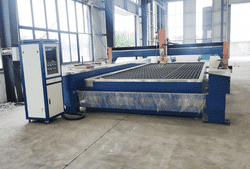
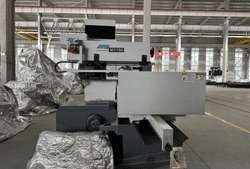


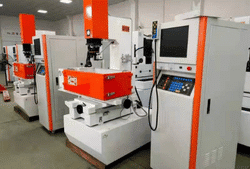
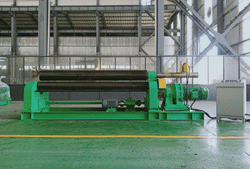



EDM, wire cutting services at the vanguard of precision manufacturing, offer the highest levels of accuracy and efficiency in building complex parts and components. However, the question remains: How does this highly innovative process work, and what makes it so highly sought after by industries from aerospace to medical devices? The article delves into the intriguing world of EDM wire cutting, explaining the science behind it and elaborating on how electrical energy is utilized to cut through materials precisely. Whether you are an experienced engineer, a curious manufacturer, or simply someone curious about technology, the application and benefits of EDM wire cutting will be very insightful for you.
Introduction to Electrical Discharge Machining
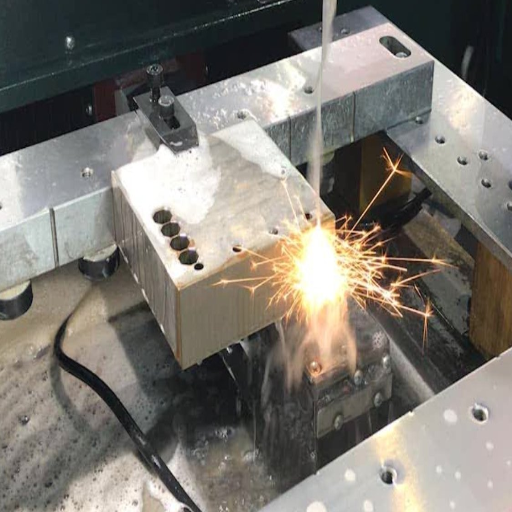
Electrical Discharge Machining (EDM) is a manufacturing process that uses electrical energy to strip material from a workpiece. The process involves a series of controlled electrical discharges (sparks) occurring between the charged wire electrode and the material being machined. It is a contact-free cutting method; hence, it is used for hard metals or materials that cannot be machined with conventional machines. EDM finds use in high-precision industries, such as aerospace, automotive, and mold-making, due to its ability to cut intricate shapes and fine detail.
What is Electrical Discharge Machining?
Electrical Discharge Machining (EDM) is another unconventional machining method that utilizes thermal energy to remove material from a workpiece. This is achieved by generating controlled electrical discharges between the electrode and the workpiece during machining, which is typically submerged in a dielectric fluid. The intense heat emanating from the spark causes the workpiece material to melt and vaporize locally, thereby affecting accurate removal without direct mechanical contact.
Especially important for use in machining tough materials, such as tool steels, tungsten carbide, and superalloys, which resist conventional machining methods. The process proved to be excellent while rendering complex geometries and tolerances, which in many cases reached ±0.005 mm. EDM finishes can also be incredibly smooth, with roughness values reaching as low as 0.1 µm Ra depending on the application.
Recent developments in EDM have enhanced its efficiency and expanded its range of applications. For instance, modern wire EDM machines use skinny wire, down to 0.02 mm in diameter, to make excellent cuts. Furthermore, the automation improvements and the integration of machine learning have led to a substantial reduction in machining time, with some systems capable of decreasing processing time by up to 30%. In industries ranging from aerospace and automotive to medical device manufacturing, specialized components, such as turbine blades, injection molds, and surgical instruments, are manufactured with great reliance on EDM.
Due to the accuracy and flexibility for handling materials that conventional machines do not do adequately, EDM is somewhere near the very end of skill sets in today’s manufacturing universe.
History and Evolution of EDM
EDM was invented in the 1940s, considered by some as the dawn of the electrical manufacturing age. It was during the pre-modern times of EDM that Soviet scientists Lazarenko and Lazarenko were known to have developed a way of eroding metal using electrical spark erosion. At the time, the process was slow and could only be employed in limited scenarios involving tooling and mold making. Much has changed over the years, and technological advances have allowed EDM to become a practically used method of production today.
In the 1970s, with the advent of CNC, everything changed, taking EDM into a new realm of automation, allowing complex geometries to be realized with such precision that no other technology could match. Along with this, the development of the latest types of dielectric fluids, wire-cut EDM, and high-tech power supplies enabled manufacturers to process harder materials with better speeds. EDM continues to evolve by leveraging the possibilities through the integration of technologies such as AI and machine learning, which maximize performance and meet the increasing demands of high-precision industries.
Basic Principles of Electrical Discharge Machining
One of the approaches to machining materials is Electrical Discharge Machining (EDM), wherein a series of electric discharges are controlled to remove material from the workpiece. It uses an electrically charged electrode and dielectric fluid to erode conductive materials. The first step in the operation involves creating a spark gap between the tool electrode and the workpiece. Upon applying voltage, the dielectric fluid ionizes, and the wire-tool arc is established. Through this arc, heat is generated, sometimes reaching a temperature as high as 8,000-12,000°F (4,427-6,648°C), which results in the melting and vaporization of the material in microscopic quantities.
EDM, thus, sets itself apart by machining hard materials with utmost precision, such as steel alloys, tungsten carbide, and even titanium. It can hold tight tolerances as close as ±0.0001 inches (±2.5 microns) and can ideally execute intricate geometry, making it the most suitable method for aerospace, automotive, and medical device manufacturing industries.
The advancement today in EDM extends even beyond this. Programmable EDM machines utilize adaptive algorithms and machine learning techniques to adjust parameters in real-time, optimizing performance and minimizing tool wear. The data even suggests that wire-cut EDM can produce surface finishes as low as 0.1 µm Ra, thereby reducing secondary finishing operations and increasing overall operational efficiency.
The dielectric types of oil or deionized water used in EDM provide the functions of cooling the workpiece, flushing away debris, and maintaining a consistent and constant electrical condition. Advanced dielectric systems with faster flushes now feature higher material removal rates and less thermal damage to the workpiece.
Thus, with these principles and cutting-edge technologies, EDM is the future of high-precision manufacturing and a driving force for innovation in the production of complex components.
The EDM Wire Cutting Process
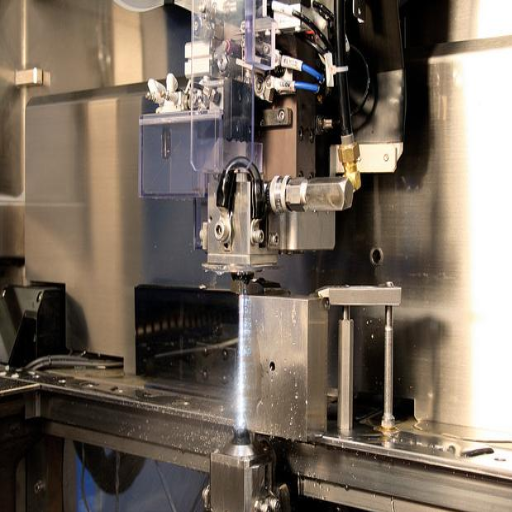
The EDM wire cutting process uses a wire in tension, charged with electricity, to cut and shape materials with extreme precision. This wire acts as the electrode and electrically does not touch the material. Instead, a series of electrical discharges generated between the wire and the workpiece results in the controlled erosion of the material. This technique is also used for making intricate designs and working with hard materials that are difficult to machine using conventional methods. Its accuracy is high, and it generates low mechanical stress on the material being cut, thus being suitable for fragile and complex components.
Overview of Wire Cutting Work
Wire cutting, also known as wire electrical discharge machining, has found widespread application across various industries due to its accuracy and versatility. Aerospace, automotive, medical device manufacturing, and electronics may employ it to fabricate complicated components. It excels especially in fulfilling the purpose of precision dies, molds, and microscale parts that require exact processing.
Some materials are complex and exotic, requiring machining by wire methods, including titanium, tungsten carbide, and tool steels. Data says that wire cutting provides tolerances as tight as ±0.001 mm. A tolerance of this sort is of utmost importance for industries requiring high precision. They are also more productive, with cutting speeds of up to 500 mm² per minute, which is made possible by modern wire EDM through the use of an advanced control system and adaptive technology.
Since the wires in this method do not come into contact with the material, a majority of thermal and mechanical stress is exerted harmlessly on the workpiece, and hence, there is hardly any chance of distortion or damage to the work seam during machining. Thus, in the formation of geometrically delicate components, it is considered an essential method of material removal. The advent of automation and multi-axis wire cutting has further enhanced the efficiency and capability of wire EDM solutions, rendering them highly sought after in challenging manufacturing scenarios.
Key Components of the EDM Machine
The EDM machine is a combination of various components that work together to achieve machining with precision and efficiency. The components and their functions are detailed as follows:
Power Supply Unit
The power supply is the heart of any EDM machine. It produces controlled electrical discharges between the tool electrode and the workpiece. EDM machines of the latest generation utilize modern generators equipped with an adaptive control system, enabling the EDM to optimally control pulse frequencies and energy levels for improved accuracy in cutting and surface finish.
Workpiece and Tool Electrode
The workpiece is the material that is being machined, whereas the tool electrode, usually made of graphite, copper, or tungsten, functions as a conductor for the electrical discharge. Some complex machines can allow an electrode diameter as low as 0.02 mm for detailed applications.
Dielectric Fluid System
Dielectric fluids such as deionized water and oil hold prime importance in the EDM process. They act as insulators until the discharge takes place, and then help in flushing debris from the machining zone. Now, with real-time monitoring systems in place, optimal fluid conductivity and viscosity can be maintained to improve efficiency.
Automatic Wire Feeder (for Wire EDM)
Wire EDM machines utilize a continuous wire from a spool, typically made of brass or zinc-coated brass, as the cutting electrode. Automatic wire feeders maintain consistent wire tension and feed rates; modern wire-feeder systems support wires ranging from 0.05 to 0.30 mm in diameter to meet various precision requirements.
Machine Table and Workholding Device
The machine table provides a firm base for the machining operation. The very high precision of workholding devices, such as vices or magnetic clamps, ensures the workpiece is held firmly, allowing for its accurate positioning. Modern EDM machines use CNC-controlled rotary tables for multi-axis machining.
Servo Control System
A servo control system ensures the correct positioning of the electrode and the workpiece. This system enables dynamic adjustment of machining between the electrode and workpiece, altering the gap condition to achieve optimal discharge rates and thereby providing superior consistency in cutting.
Cooling System
Heat generation during EDM would have adverse effects on the performance and life of the tool. To ensure stable operation and protect the components, the cooling system is enabled, equipped with heat exchangers, and incorporates real-time temperature monitoring.
CNC Controller
The CNC controller is the brain of the EDM machine, which executes machining operations that have been programmed beforehand. By the improvements made so far, these controllers have made machining of complex geometries straightforward and automated, with an easy-to-use interface, 3D modeling capabilities, and error detection systems.
EDM machines are widely utilized, leveraging the latest technology to meet the demanding industrial needs of the aerospace, medical, and tool and die manufacturing industries.
How Electrical Discharge Machining Works in Wire Cutting
The working principle of wire-cut Electrical Discharge Machining employs a very thin, electrically charged wire (usually brass or molybdenum) as its cutting tool. This wire is never allowed to physically touch the material; instead, controlled electric sparks are generated between the wire and the workpiece. These electric sparks generate extremely high temperatures, melting and vaporizing tiny spots on the material surface. The process takes place in a dielectric fluid that prevents unwanted electric arcing and simultaneously cools the material while washing away debris. Wire EDM is used in applications that require highly intricate shapes, sharp corners, and very detailed work on complex or delicate materials, thus forming the backbone of every industry involving delicate and intricate machining.
Materials and Cutting Tools in EDM
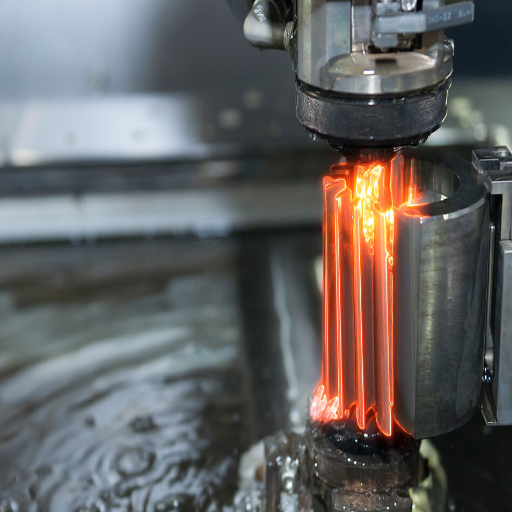
EDM is suitable for electrically conductive machining materials, such as steel, titanium, aluminum, tungsten, and copper alloys. These materials are often used in industries like aerospace, automotive, and tool manufacturing due to their strength, durability, and resistance to wear. The cutting tools in EDM are typically made of conductive materials, such as brass, copper, or tungsten, with wire EDM commonly using a thin brass wire or a coated wire. These tools are chosen for their ability to maintain precision while withstanding the electrical discharges required for the process.
Common Materials Used in EDM Wire Cutting
There is a fascinating variety of materials available for EDM wire cutting, suitable for application-specific purposes. Some of those materials include:
| Wire Material | Composition | Key Properties | Primary Applications |
|---|---|---|---|
| Brass Wires | Copper and Zinc mixture | Excellent conductivity, affordable price | General machining purposes, cutting tolerances |
| Coated Wires | Zinc or brass coating | Better discharge stability, reduced wear | High precision cuts, complex part designs |
| Copper Wires | Pure copper | Excellent electrical conductivity | Micro-machining, highest accuracy requirements |
| Molybdenum Wires | Pure molybdenum | High tensile strength, thermal resistance | Aerospace, medical applications |
| Tungsten Wires | Pure tungsten | Temperature stability | Specialized high-temperature applications |
| Special Alloy Wires | Custom alloy compositions | Enhanced adaptability | Emerging industrial requirements |
The wire material used in EDM wire cutting depends on various factors, including the nature of the material to be machined, the required tolerance level, and the surface finish quality of the material. Advanced wire materials and coatings keep the research for higher speed, higher precision, and higher efficiency in EDM wire cutting ever alive.
Types of Cutting Tools in Electrical Discharge Machining
In EDM, a specialized cutting tool is employed for each application to ensure the highest precision and efficiency during the process. The two main types of cutting tools used in EDM are those engaged in wire EDM, specifically wire electrodes, and those used for die-sinking EDM, which include formed or solid electrodes.
- Wire Electrodes: Primarily used in wire EDM, wire electrodes are made from brass, copper, or coated wires. Wire electrodes provide the cutting action in fine detail and thin, intricate shapes for the workpiece. The use of coated and composite wires enables further advantages in cutting speed and surface finish quality, particularly on hard-to-machine materials.
- Formed Electrodes: Formed electrodes are solid tools used in die-sinking EDM that directly transfer a custom shape into the material. Usually made of graphite, copper, or copper alloys, these electrodes are carefully shaped to fit the imprint required. They are most suitable for deep cavities, molds, or complex 3D shapes.
The types of tools serve machining purposes; their material is selected according to electrical conductivity, wear resistance, and other factors, depending on the complexity of the work. Now, the technological advancements in EDM continue to improve the product and enhance the diversity of these cutting tools.
Material Removal Techniques in EDM
In EDM, material removal is caused by a series of electric discharges controlled between the tool electrode and the workpiece, both of which are placed in a dielectric fluid. When the voltage is applied across two electrodes, the dielectric breaks down, being converted into a plasma state that generates heat, consequently melting and vaporizing tiny portions of the workpiece material at the contact points.
One of the primary types of EDM is sinking EDM, also referred to as die-sinking or ram EDM. A shaped electrode is used here to create detailed cavities or intricate geometries in the workpiece. The other type of EDM is wire EDM, in which the tool electrode is a thin, mobile wire with high conductivity. This process allows cutting and contouring with excellent tolerances on harder metals.
Material removal rates are influenced by the type of machined material, the material properties of the electrodes used on both sides of the discharge, and parameters set on the EDM, such as discharge energy and pulse duration. A proper understanding of these parameters will lead to machining efficiency and accuracy while reducing heat-affected zones.
Advantages of Electrical Discharge Machining
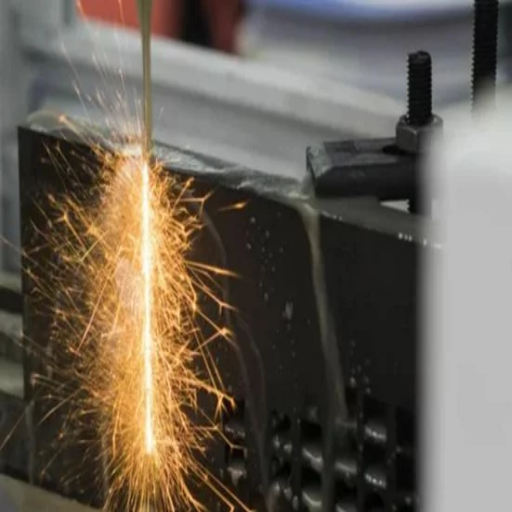
- Precision and Accuracy: This technology offers the possibility for electrical discharge machining of very tiny and detailed parts, making it suitable for applications where tight tolerances are warranted.
- Materials Versatility: It deals with hard materials such as titanium, tungsten, and hardened steel, which cannot be machined with conventional methods otherwise.
- No Mechanical Stress: Being a non-contact method, the mechanical stresses and distortions to the workpiece are eliminated, which could otherwise occur.
- Complex Shapes: With EDM, intricate geometries and fine details can be produced, which may be very difficult or nearly impossible to achieve with conventional machining techniques.
- Smooth Surface Finish: The best surface finish can be achieved with EDM, provided that one operates under proper settings, thereby reducing the time required for secondary finishing processes.
- Minimal Heat-Affected Zones: The process minimizes thermal distortion, helping to retain the structural properties of the material being machined.
Precision and Accuracy in the Machining Process
Precision and accuracy are key qualities that bear on the attainability of high-quality products through machining. With the advent of new technologies, machining equipment could run to tight tolerances of ±0.0001 inch (±2.54 microns), stretching to even further limits in critical industries such as aerospace, medical, and electronics manufacturing. Even the most complex components can be machined with precision using modern CNC systems, ensuring consistency between production batches.
Furthermore, technologies such as EDM enhance traditional methods by enabling the utmost precision for complex shapes and fine details. Advanced software, such as CAD/CAM, is used for simulation and detailed programming, minimizing errors, optimizing tool paths, reducing material wastage, and increasing the repeatability and reliability of production.
Another important aspect in maintaining precision is monitoring environmental factors, such as temperature, vibration, and machine aging. High-end machining centers feature temperature controls, vibration compensation mechanisms, and automatic feedback loops to reject inaccurate-dimensioning parameters, with processors specifically engineered for optimal performance. These improvements all combine to provide great concentration on the core goal of modern machining: the increasing demand for perfection in complexity in manufacturing.
Versatility of EDM in Different Applications
The Electrical Discharge Machining (EDM) process demonstrates great versatility across various industries; in most cases, it is precisely the type of versatility required to fabricate intricate components beyond the scope of traditional machining. One of its major applications is in the aerospace sector, where the EDM is used in the fabrication of turbine blades and cooling holes with high tolerances and complex geometries. These components are crucial for optimizing engine performance and fuel efficiency. Another area where EDM finds good use is in manufacturing surgical instruments, implants, and orthopedic devices from biocompatible materials such as titanium and stainless steel.
The automotive application, on the other hand, involves the manufacturing of molds, dies, and components for high-performance engines using EDM, with the goal of achieving surface finishes and dimensional precision. Tool and die manufacturers also utilize EDM to create intricate cavities and electrodes with ultrafine details, which are essential for injection molding and stamping.
Recent developments have expanded the range of applications for EDM. There is micro-EDM for ultra-precise machining at microscopic levels. According to current industry reports, EDM is claimed to have an accuracy of ±0.0001 inches and is effective on most hard-to-machine materials, including tungsten carbide and Hastelloy. This flexibility also makes the technology indispensable for prototyping, low-volume production, and high-complexity parts that cannot withstand direct mechanical contact during machining.
With the increasing availability of newer EDM technologies, including adaptive controls and artificial intelligence integration, the process is becoming faster and more reliable. Such developments reduce production times while still ensuring the very high level of precision required by industries whose components demand absolute quality and reliability.
Cost-Effectiveness and Efficiency of EDM
In general, electrical discharge machining has been considered the most cost-efficient technique for manufacturing components with complicated geometries and high tolerances. EDM can reduce manufacturing costs by minimizing post-processing or very intense machining of hard materials. Recent data suggest that production costs can be reduced by some 30% when firms use EDM, as opposed to using traditional machining techniques to machine materials such as tungsten carbide or titanium.
Modern EDM machines with adaptive controls and AI-powered advanced programming offer significant improvements in operational efficiency. Designing the system to optimize electrode wear and to maximize cutting speeds is said to enhance productivity by some 20%. According to research conducted by leading manufacturers, some EDM systems currently feature automated multi-axis capabilities, thereby minimizing downtime while maximizing throughput on production lines. These advancements in EDM have made it essential in aerospace, automotive, and medical manufacturing, where precision and cost-efficiency go hand in hand.
Applications and Uses of EDM
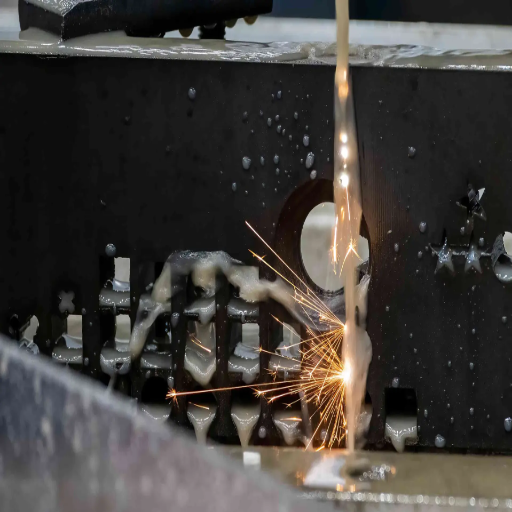
Electrical discharge machining is characterized by precise machining and is thus used in creating shapes, mold dies, and components for the aerospace, automotive, and medical industries. It is valuable in machining materials, such as super-hard materials like titanium and tungsten carbide, allowing for the accurate shaping of specimens without imparting mechanical stresses. Fine-hole drilling and machining of intricate and high-tolerance parts, which are not within the reach of conventional machining methods, are areas where EDM finds its most application. These fully compensate for past steps in advanced manufacturing processes.
Industries Benefiting from EDM Wire Cutting
Aerospace Industry
EDM wire cutting technology offers numerous advantages to the aerospace industry thanks to its accuracy and ability to cut through hard materials, making it essential for manufacturing complex parts with tight tolerances, such as turbine blades and fuel injectors, ensuring they are safe and can perform reliably in extreme conditions.
Automotive Industry
The automotive industry utilizes EDM wire cutting processes to manufacture intricate parts, such as components for transmissions and molds for new designs, ensuring optimal performance and reliability in automotive applications.
Medical Technology
Medical technology benefits from EDM wire cutting to make surgical instruments, implants, and micro-medical devices that require excellent tolerances and precision for critical healthcare applications.
Electronics Manufacturing
The electronics industry utilizes EDM wire cutting for manufacturing fine-featured parts and components that require precise tolerances for advanced circuit designs and electronic devices.
Tool Manufacturing
Tool manufacturing industries benefit from EDM wire cutting for creating high-end tools and precision components that require exceptional accuracy and surface finish quality.
Case Studies of EDM Wire Cutting Applications
- Aerospace Sector: In the aerospace sector, EDM wire cutting is utilized for the manufacture of turbine blades with extreme precision, meeting very high performance requirements for aircraft engines and space applications.
- Medical Industry: A medical industry project utilized EDM wire cutting to manufacture surgical tools with very complex shapes, ensuring utmost accuracy and reliability for critical medical procedures.
- Electronics Industry: In electronics, this method is applied to the manufacture of microcomponents to strict tolerances, which are critical for advanced circuit designs and precision electronic devices.
Each of these examples illustrates that EDM wire cutting is the pinnacle of precision in various industries requiring intricate manufacturing.
Future Trends in Electrical Discharge Machining
It would be very promising for the future of EDM to consider some far-reaching developments. A significant trend is the integration of automation and robotics to augment productivity and reduce labor costs. Through automation, EDM systems can be configured to handle complex manufacturing tasks with minimal human intervention, thereby enhancing efficiency.
The development of materials for use in the manufacturing of EDM wires and electrodes, which are not only designed for faster cutting but also for more precise and durable cutting, is another crucial advancement. There has been a strong interest in innovation in dielectric fluids, particularly in eco-friendly options, due to rising environmental regulations and the need for sustainable manufacturing.
With the introduction of artificial intelligence and machine learning, machining parameters will be automatically optimized in real-time, thereby making machining setups faster and reducing raw material waste. They will also prevent equipment from going down by predicting when maintenance should be done, hence preserving operational consistency.
Micron and nano machining, on the other hand, are becoming increasingly important for industries such as aerospace, medical, and electronics due to their extremely high precision requirements. Consider working with hard materials and challenging geometries; EDM is one of the few technologies poised to steer high-precision manufacturing into the future.
Conclusion
EDM wire cutting represents the pinnacle of precision manufacturing technology, offering unparalleled accuracy, versatility, and efficiency across diverse industries. From aerospace turbine blades to medical surgical instruments, this revolutionary process continues to push the boundaries of what’s possible in modern manufacturing. As technology advances with AI integration, automation, and new materials, EDM wire cutting will remain at the forefront of high-precision manufacturing, driving innovation and excellence in component production.
Reference Sources
Surface Integrity Analysis of Wire Electric Discharge Machining of Nitinol Shape Memory Alloy
About a Mould Cavity Manufacturing Using Solid CAM
Review on Effects of Process Parameters in Wire Cut EDM and Wire Electrode Development
Frequently Asked Questions (FAQs)
How Does Electrical Discharge Machining Work?
The electrical discharge machining operation utilizes electrical spark generation between an electrode (usually a wire) and the conductive workpiece to erode the material away. The cutting wire is moved along the path to be cut, vaporizing the material with sparks. These methods are well-suited for creating intricate shapes and working with tight tolerances on hard materials that cannot be easily machined using traditional methods.
The Advantages of Wire EDM?
Wire EDM possesses very specialized capabilities to machine complex geometries at very high precision, which are often infeasible with conventional machining methods. It effectively removes unwanted material from hard alloys, achieving fine surface finishes. Moreover, it enables machining of complex geometries without requiring tooling.
What Is EDM Used for Machining?
EDM will work on electrically conductive materials such as copper, brass, and other alloys. It is suited for hard materials that are difficult to machine, as it disturbs the cutting tools of traditional nature. Generally, EDMs are also used to shape non-conductive materials with the aid of conductive coatings.
What Are the Functions of Dielectric Fluid in the EDM Process?
During EDM machining, dielectric fluid is used to cool both the electrode and the workpiece. It enables the flushing of debris formed by electrical discharges, thereby enhancing machining efficiency and improving the finish. The commonly used dielectric fluids are deionized water and oil.
How and Why Would One Compare EDM With Conventional Machining Methods?
Many benefits are unleashed when EDM is used in contrast to conventional machining methods, and especially when machining precise and complex forgings. While traditional methods often utilize physical cutting tools that wear out, EDM, which removes material through electrical discharge without direct contact, effectively eliminates much of the wear on the tools, allowing for further improvements in tolerance.
What Is Wire EDM?
Wire EDM, a type of electrical discharge machining, utilizes a fine wire electrode to cut intricate designs into conductive metals. With the wire moving along a programmed path, it is continuously fed through the workpiece, where sparks erode the material along the desired shape. This method is widely applied due to its high precision and finely detailed output.
What Kinds of Typical Applications Does EDM Have in Aerospace?
With its high-precision capabilities, EDM has a wide range of applications in the aerospace industry. These kinds of applications fabricate, manufacture, and complete everything from highly complex materials that require turbine blades, molds, and dies with extremely tight tolerances and surface finishes. It is the process for shaping hard materials used in aerospace.
How Does EDM Achieve High-Precision Machining?
EDM ensures high-precision machining by controlling the electrical discharge process with the aid of CNC technology. This allows for precise control of machining speeds and the generation of sparks by electrical discharges, both of which contribute to accurate dimensional tolerances and surface finish. Furthermore, EDM is capable of executing complex paths through CNC programming, which significantly enhances its precision capabilities.
What Are the Components of the EDM Machine?
An EDM machine typically consists of a power supply, CNC control system, dielectric fluid reservoir, and an electrode setup. The machine further incorporates mechanisms to move the wire electrode and keep it properly aligned with the workpiece during the machining operation, thus guaranteeing consistent output quality in the final product.
Can EDM Be Used for Material Removal in Various Industries?
Yes, EDM can be used in various industries for material removal. Besides aerospace, it is used extensively in automotive, medical, and electronics for manufacturing high-tolerance components. Its ability to cut complex shapes and hard materials makes it a beneficial machining process in many other industries.