




Maintaining a lathe is key to ensuring precision, efficiency, and longevity in your workshop. Whether you are a professional in the industry or a hobbyist, proper maintenance of this multifunctional tool can significantly extend its lifespan and prevent costly repairs later. This detailed guide provides the maintenance tips and practical methods to keep your lathe in top condition. It covers everything from cleaning practices and lubrication methods to fixing common problems, so you can easily maintain your lathe like a professional. Let us examine how consistent care of the lathe can be a key factor in maximizing its performance and longevity.
Importance of Lathe Maintenance
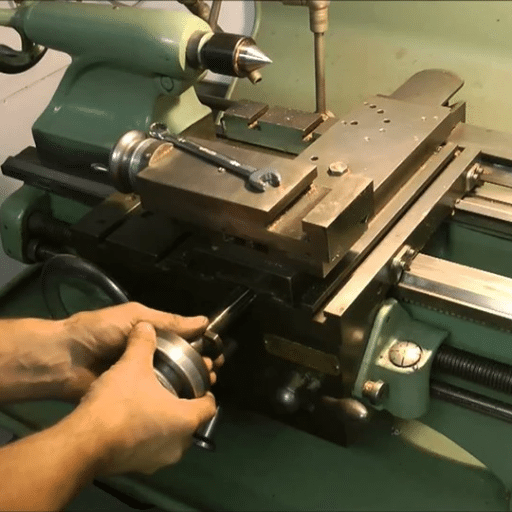
Regular maintenance of a lathe is essential to its optimal performance, accuracy, and safety. Proper maintenance reduces the risk of mechanical faults, extends the machine’s lifespan, and reduces unplanned downtime. Moreover, a well-maintained machine produces higher-quality workpieces, ensuring precise, consistent operations. You can improve your lathe’s performance and reliability by incorporating regular checks, cleaning, and oiling into your maintenance program.
Service life extension achieved by manufacturers who apply regular preventive maintenance
Impact on Machine Lifespan
Regular maintenance significantly impacts a lathe’s total lifespan. If the components receive proper care and maintenance, including adjustments, cleaning, and timely replacements, the machine’s wear and tear will be minimized. A recent report shows that manufacturers who apply regular preventive maintenance can extend service life by up to 40%. Lack of maintenance, conversely, can lead to a faster breakdown of the machine, higher repair costs, and more downtime. By making regular maintenance a priority, machine operators will not only protect their equipment’s health but also ensure uninterrupted production and cost-efficient operation.
Benefits of Regular Maintenance
Extended Equipment Lifespan
Consistent and proper maintenance keeps the lathes in good working condition, extending their lifespan by a considerable margin and reducing replacement costs.
Enhanced Performance
Upkeep in a proper way takes care of every wear and tear on the machine’s essential parts thus keeping the machine’s performance at its best and guaranteeing good quality and accuracy in the machining process.
Reduced Downtime
Preventive maintenance reduces unexpected breakdowns, helping eliminate costly production delays and keep machines running nonstop.
Cost Efficiency
Preventive maintenance supports condition monitoring, enabling minor problems to be detected and corrected early, reducing costs associated with extensive repairs and unplanned expenses.
Improved Safety
A machine that receives regular maintenance is less prone to accidents or breakdowns, providing a safer working environment for its operators.
Overview of Lathe Operations
Lathe machines are versatile devices that perform cutting, shaping, and finishing operations on materials such as metal, wood, and plastic. The workpiece rotates about its axis while multiple cutting tools are applied to the surface to remove material and create the required shape or finish.
Primary Lathe Operations Include:
Threading
Facing
Boring
Drilling
Knurling
These processes enable manufacturers to produce precise components, including screws, bushings, and complex parts, for the automotive and aerospace industries. To operate a lathe successfully, the setup must ensure the workpiece is securely clamped and the cutting tools are correctly positioned. Moreover, operators must determine the speed, feed, and depth of cut based on the material type and the end product. Regular maintenance, as discussed earlier, is vital to operational accuracy and safety. Lathes are essential for mass production due to their precision and speed in machining.
Routine Lathe Maintenance Practices
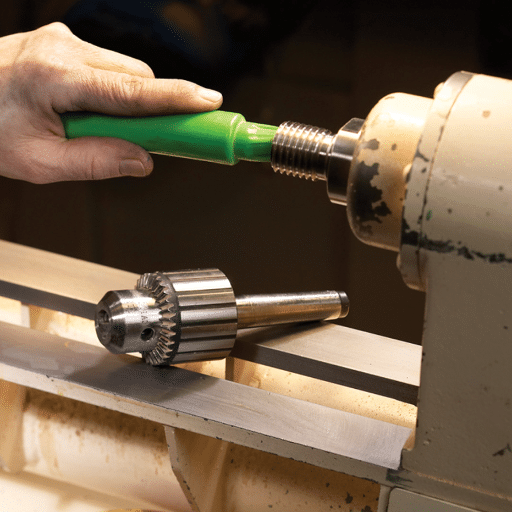
Regular maintenance of the lathe is essential for efficient, safe operation. Among the most critical practices are periodic cleaning of the machine to remove dirt and dust, inspecting and lubricating moving parts per the manufacturer’s instructions, and checking essential components, such as belts and bearings, for wear. Furthermore, operators should confirm alignment, monitor electrical connections, and replace consumables, such as cutting tools, as required. Recording maintenance activities helps identify recurring issues and ensures the machine operates reliably.
Daily Maintenance Tasks
Weekly Maintenance Schedule
Monthly Inspection and Maintenance
Common Issues and Early Detection
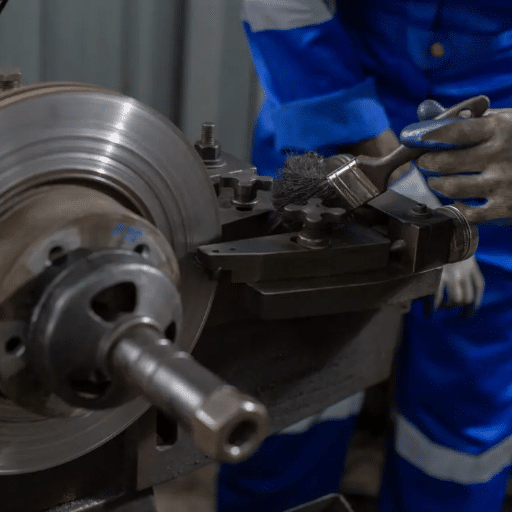
Signs of Wear and Tear
| Warning Sign | Possible Cause |
|---|---|
| 🔊 Unusual Noises Grinding, squeaking, or banging sounds |
Worn-out bearings, misalignment, or other mechanical issues that should be checked immediately. |
| 📉 Decreased Performance Reduction in speed, precision, or accuracy |
Worn-out parts or inefficiencies in the system that require component inspection. |
| 👁️ Visible Damage Cracks, rust, or excessive wear on parts |
Belts, gears, or housing showing physical deterioration that should not be ignored. |
| 🌡️ Overheating Components hotter than normal |
Lack of lubrication or overworked systems causing excessive heat generation. |
| ⚠️ Frequent Downtime Regular breakdowns or constant adjustments |
Machine is slowly wearing out and needs comprehensive repairs or component replacement. |
Identifying Misalignment Problems
In a lathe, misalignment can reduce machining accuracy and cause components to wear unevenly. The significant misalignment indicators consist of:
Tapered Cuts
Workpieces with unintended tapered ends often indicate misalignment between the headstock and tailstock or improper tool positioning.
Vibration
During operation if excessive vibration is present, then it might be a signal that the lathe’s spindle or bed is not correctly aligned.
Uneven Tool Wear
Cutting tools that are not wearing down at the same rate may indicate misalignment of the spindles or tool holders.
Uneven Surface Finish
An inconsistent or rough surface finish may indicate an underlying alignment issue.
Robust maintenance and accurate calibration of the lathe are key to preventing misalignment and ensuring the lathe performs at its best.
Unusual Noises and Their Implications
An abnormally operating lathe may indicate hidden mechanical issues that require urgent attention. For instance, high-pitched squealing or screeching may indicate insufficient lubrication and excessive friction between components. Repetitive clunking or knocking noises may indicate loose bolts, worn gears, or drive system issues. Grinding noises are also common signs of misaligned or excessively worn components, such as the spindle or guide rails.
PRO TIP
In order to take care of noise issues, it is absolutely necessary to stop operations first and then quickly check the noise source. Maintenance that has been scheduled regularly—like lubrication, fastening up, and checking critical parts for wear—greatly reduces the risk of mechanical failures. Utilizing vibration analysis and high-tech diagnostic tools monitoring sound patterns can also contribute to forecasting insights thus lowering the frequency of lathe shut-downs and keeping the lathe’s productivity high.
Best Practices for Lathe Cleaning and Lubrication

To keep a lathe running well and for a long time, follow the cleaning and lubrication practices indicated below:
Following these guidelines will ensure the lathe stays clean and properly maintained and runs efficiently for several more years.
Cleaning Techniques for Different Lathe Types
By using these specialized techniques, you can not only maintain your lathe’s performance but also its lifespan.
Choosing the Right Lubricants
Proper lubricant selection is pivotal to the smooth operation and lifespan of your lathe. Manufacturer’s recommendations should always be your point of reference for determining the recommended lubricant type.
Good for general-purpose lubrication
Used for high-load parts
For sliding surfaces to minimize friction
Do not combine different lubricants as it might spoil their potency. Apply lubricant regularly to prevent wear and rust.
Frequency of Lubrication and Cleaning
Lubrication and cleaning of the lathe depend on usage and the intensity of the work performed. As per the guidance from the top sources, daily check and lube the critical moving parts like the ways, lead screws and spindle bearings if the lathe is used often. Weekly lubrication may be adequate for less frequent use, but always refer to the manufacturer’s manual for specific lubrication intervals. The cleaning part is the same in every case; the chips, dust and excess oil should be removed after each use to avoid buildup that can affect precision. Periodic deep cleaning of the machine, such as monthly or quarterly, will help maintain optimal performance and longevity.
Enhancing Lathe Performance Through Maintenance
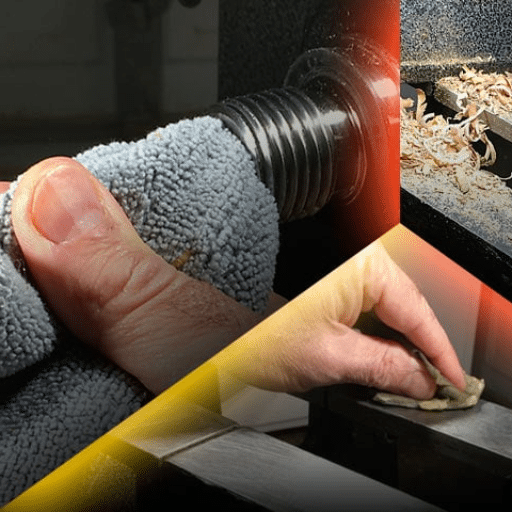
At the same time, to keep or improve lathe performance through maintenance, focus on consistent lubrication, thorough cleaning after each use, and periodic deep cleaning as the main areas of focus. Regular inspections should be carried out on critical components such as ways, lead screws, and spindle bearings, and the manufacturer’s recommended maintenance schedule should be strictly followed. Good maintenance practices not only ensure accuracy but also extend the machine’s lifespan.
Link Between Maintenance and Longevity
The lifespan of a lathe is significantly influenced by regular maintenance, which helps prevent wear and tear, reduce breakdowns, and ensure smooth operation throughout its life. Besides, cleaned, lubricated, and inspected parts are less susceptible to unexpected failure. Therefore, through regular maintenance, minor issues will be addressed early, preventing them from escalating into major problems that could significantly shorten the machine’s lifespan. Sticking to a regular maintenance program is the key to keeping the lathe’s accuracy, dependability, and overall, toughness intact.
Ensuring Precision in Daily Operations
Operators must maintain exceptional precision and use the latest tools when operating a lathe. First, verify that the workpiece is both mounted and aligned with the lathe’s axis. This will not only reduce vibration but also deliver consistent cutting results. Inspect cutting tools regularly for wear and damage, as dull or improperly maintained tools can degrade the finished product. Moreover, calibrating the lathe according to the manufacturer’s specifications will guarantee dimensional accuracy. Precise measurements of the work can also be taken using digital measuring tools, such as dial indicators or micrometers.
MODERN INNOVATION
In terms of the newest recommendations, one of the best automation techniques that do not compromise on precision is the integration of CNC lathes with advanced software. These systems can be instructed to repeat certain cuts very precisely, thus limiting the error in complex procedures. By using preventive maintenance, applying the right technique, and implementing modern innovations, the daily operations will be of the same consistent and precise quality, thus ensuring both quality and efficiency.
Maximizing Machine Efficiency
To get the most out of the machine, focus on a few key practices. Make preventive maintenance your top priority by regularly inspecting components such as bearings, belts, and lubrication levels to minimize downtime. Employ proper machining techniques, among them the use of the right cutting tools and speeds for the materials you’re dealing with, which together give precise and uniform results. Furthermore, leverage modern technology, such as the integration of CNC systems and programming software, to simplify complex tasks and reduce errors. By maintenance, skill and innovation, you can consistently optimize the whole process in terms of both productivity and accuracy.
Reference Sources
-
Maintenance Strategy for the Old Lathe Machine in Teaching Workshops (PDF) | ResearchGate
This paper discusses maintenance strategies for older lathe machines, focusing on improving their effectiveness in technical and vocational training settings. -
Preventive Maintenance Checklist for Manual Lathe Machine (PDF) | Yuin.edu
This document provides a comprehensive preventive maintenance checklist for manual lathes to ensure optimal performance and longevity. -
TRAK® Lathes Operation Manual (PDF) | Boston University
This manual includes maintenance tips and operational guidelines for TRAK® lathes, emphasizing safety and efficiency. - Premium Metalworking Lathes for Sale
Frequently Asked Questions (FAQs)
🔧 Key Takeaway
Consistent lathe maintenance is the cornerstone of workshop efficiency. By implementing daily cleaning routines, weekly inspections, and monthly comprehensive checks, you can extend your machine’s lifespan by up to 40%, reduce costly downtime, and ensure precision in every operation. Remember: prevention is always more cost-effective than repair.