






Regular and proper maintenance of a small machine lathe has a strong impact on the machine’s lifespan, precision, and productivity. Even if you are just a hobbyist or a master machinist, a good understanding of the machine care will give you the same results every time and at the same time, keeping repair costs down. This guide presents the indispensable points of the checklist for lathe’s maintenance which is a must to keep the lathe operating in the best condition. After the daily cleaning and check-up, we will give you the main practices that will not only guard your investment but also improve your machining experience. Keep reading to acquire the practical tips and expert advice that will ensure the smooth operation of your lathe for many years to come.
Introduction to Lathe Maintenance
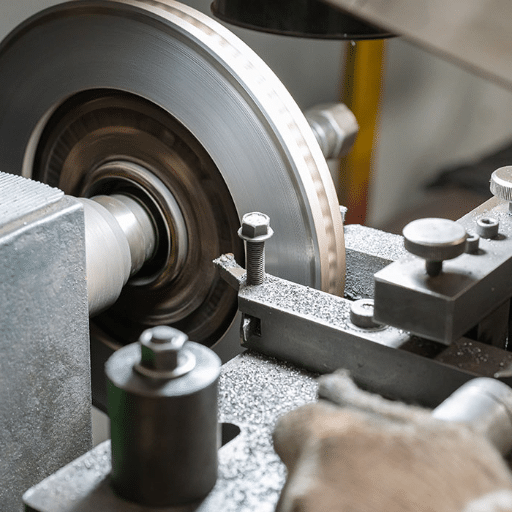
To get the best quality and be safe, the lathe must be properly maintained. Regular maintenance prevents maintenance, and keeps the lathe accuracy in the machine shop. Failure of maintenance can lead to expensive repairs, low tolerances, and danger to workers. If properly maintained on a continuous basis, it allows the machinists to protect their investment, as well as produce a product with consistent, high-quality output.
The Importance of Regular Maintenance
Small machinist lathes are the usual ones in workshops and are the primary ones for hobbyists. They are, however, to regularly be maintained to keep them functional and precise. A significant number of search queries associated with the latest data indicate that users prioritize maintenance mainly due to troubleshooting, vibration reduction, and machine life extension. Among the regular maintenance activities to be performed are cleaning of the lathe bed, lubrication of the moving parts, and tightening of the loosed components. These activities, if not done, will lead to wear and tear that can affect the efficiency of the machine. Furthermore, adherence to the manufacturer’s guidelines gives the best performance of the machine. The small lathes in question can still produce a consistent quality and may even outlast the unregulated ones, which is the demand and expectation from machinists to the machinist throughout the globe.
Common Risks of Neglecting Maintenance
Reduced Precision
Maintenance being totally omitted, the machine’s parts getting worn out or misaligned can collectively lead to a drop in precision and poor machining results.
Shortened Equipment Lifespan
If not properly maintained, the lathe will be exposed to regular wear and tear and thus will incur much more damage besides the improper maintenance, leading to a drastic cut in its lifespan.
Operational Failures
Parts may get stuck or cease to function due to absence of cleaning, lubrication and so on, thereby, causing unscheduled outages.
Safety Hazards
A lathe not receiving timely service will be more inclined to accidents such as slips, jams, and even breakdowns which could endanger the operator.
Higher Repair Costs
Small issues that have not been addressed may escalate into bigger issues that will, in turn, require costly repairs or parts replacements.
Overview of Maintenance Tips
The maintenance of small machinist lathes in proper condition means to keep their effectiveness, safety, and durability at the maximum level. The maintenance tips emphasize on thefollowing:
- Regular Cleaning: Always clean the lathe after usage by scrapping off chips, dust, and other dirty parts that can build up and influence performance.
- Lubrication: Different moving parts like lead screws and spindle bearings are given the correct types of lubricants so that wear takes place less and the operation becomes smooth.
- Inspection and Adjustments: Occasionally look at parts like belts, gears, and slides to see if there are any signs of wear or they not being properly aligned. Do the necessary repairs or replacements without delay.
- Tightening Connections: Make it a point to check bolts, screws, and other fasteners regularly to see if they are all securely tightened as this will prevent the occurrence of vibrations or weaken the structure.
- Proper Tool Management: Use only cutting tools that are sharp and well-maintained as this will directly help in reducing the stress on the lathe and at the same time accurate results will be obtained.
- Storage and Protection: The lathe needs to be protected against dust and moisture and also a controlled environment is necessary for its storage during the time it is not in use.
Through these practices, not only will your lathe be great in performance but also, the risk of expensive repairs will be minimized.
Daily Cleaning Routines for Your Lathe

In order to maintain the highest performance of your lathe, it is necessary to carry out the following cleaning tasks every day:
Get rid of waste
After every operation, either brush off the filings and waste or clear the machine with compressed air.
Dab surfaces
With a clean cloth of no lint, wipe all the accessible parts of the lathe.
Check and Oil
Be on the lookout for wear and tear or damage and apply the appropriate oil on moving parts when needed.
Chuck and Tool Post
Remove any residue from the chuck or tool post in order not to cause inaccuracies in the next operation.
Your lathe will last longer and its precision and dependability will be boosted if you keep up with these routines consistently.
Removing Metal Shavings and Debris
The cleanliness of your lathe regarding metal shavings and debris is an absolute necessity for its efficiency and precision in working. Capture the metal shavings first with a brush or compress air for the process of removal. Your hands should not be used, since sharp metal particles might cause cuts. For the remaining debris, a vacuum cleaner with special nozzles can be used to get into the complex surface areas. The places around the spindle, chuck, and tool post where usually small particles accumulate should be cleaned too. Regular cleaning not only protects the moving parts from damage but also keeps the operator safe since the chance of the debris flying during machining is minimized. Adopting these practices as part of your routine maintenance will certainly enhance the life cycle and reliability of your lathe.
Dust Control Techniques
Dust control comes to the fore as a main consideration for the small machinist lathes to be safe and to work properly. As a first step, a vacuum system specially designed for the metalworking environment is to be used for the purpose of dust collection right at the source. It is quite suitable to position the vacuum nozzle so that it is very near the cutting area which, by this, is the most efficient. In addition, making use of modular enclosures or shields around the lathe would not only be a great way to confine the particles but also to prevent them from spreading. Besides, it would be a good practice to have the workspace regularly cleaned including the floors and surfaces that are close to the machine in order not to allow dust accumulation through time. For the sake of personal safety, it might be handy to wear a dust mask or a respirator while you are working on the lathe in a dusty environment. If these simple techniques are applied, they will help you manage dust in the lathe and the entire workspace, which in turn, will lead to longer life spans of the equipment and a safer working ambience.
Importance of Clean Work Areas
Cleanliness is a necessity when working in small machinist lathes that is not only helpful but also a requirement for safety. If the workstation is clean and organized, the probability of accidents will be less, for instance, slips or even equipment being damaged because of the wrong items being in the wrong place. Moreover, the quality of workpieces can be controlled better by cleaning up, thus achieving higher precision and quality in machining processes. If you apply constant cleaning system, you will not only have the machines in good condition but also will be the user of their service for a longer time with lower maintenance costs . Besides, having things well-organized will allow you to more easily reach the tools and materials that you need, thus, work flow and productivity will be improved. Cleanliness being a priority is not only an easy-to-do but also a very effective method to guarantee safety, good performance, and the extension of both equipment and product life.
Proper Lubrication Techniques
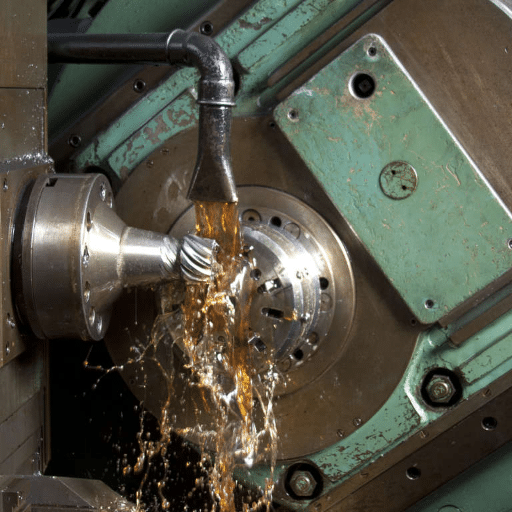
Correct small lathe lubrication methods are necessary for the smooth running of the lathe and the extended life of the lathe. The first thing you should do is to select the lubricant that will be suitable for the lathe components such as spindle, bearings, gears and slides, according to the manufacturer’s advice. Make it a point to clean the lubrication points at regular intervals to avoid building up of dirt: as contamination leads to wear and damage. Only use a small amount of lubricant but spread it out so as not to over-lubricate, which may result in the attraction of dust and slipping. Develop a maintenance schedule to check and refresh the lubrication when necessary, so all the moving parts can operate at optimum level with no friction. Good lubrication is a way of cutting down the friction, lowering the temperature and consequently prolonging the life of the machine.
Selecting the Right Lubricants
The machine and its components should be considered when selecting the proper lubricants for a lathe. Obtain the finest oils that are solely made for machine tools as they provide the right lubrication and at the same time wear protection. In general, low viscosity spindle oils with high thermal stability are the choice for spindle bearings of the lathe while slideway oils are applied for the bed and carriage to ensure smooth motion and avoid stick-slip. Always confirm with the manufacturer the type and grade of lubricant that is recommended for your application. Moreover, continuous lubrication monitoring and lubricants replacement based on machine requirement are the right ways to attain optimal performance and prolong the lathe’s life.
Step-by-Step Lubrication Process
Prepare the Workspace
Make sure to switch off the lathe and clean it completely. To prevent any contamination, clean the machine’s parts of dust, debris, and old lubricant.
Identify Lubrication Points
Look at the lathe’s manual to find out where to lubricate, such as the spindle bearings, slideways, gears, and lead screws.
Select the Correct Lubricants
Use spindle oil for the spindle bearings and slideway oil for the bed, carriage, and other sliding parts. Confirm oil grades and specifications with the manufacturer’s recommendations.
Lubricate the Spindle Bearings
Put a few drops of spindle oil into the allowed oil ports for the spindle bearings. Do not over-lubricate since it will create leaks or attract dirt.
Lubricate the Slideways
Slideway oil should be applied with a new applicator or brush to the bed and carriage surfaces in an even manner. Make sure that all sliding parts are well-covered to stop stick-slip and wear.
Apply Oil to Gears
Use a suitable lubricant for gears and other moving parts that are easy to see so that they work smoothly and do not have friction. Just do not use too much to avoid accumulation.
Oil the Lead Screws
The lead screws should be cleaned very well, then the suggested lubricant should be applied evenly along their length for smooth and accurate operation.
Double-Check All Points
Look over all the parts to check if the lubricants were applied correctly. Clean up any excess oil to avoid creating a mess and dirt settling in the place.
Test Lathe Operation
Switch on the lathe and let it run for a short time to help the lubricants spread out evenly over the moving parts. Listen for any strange noises or feel any resistance.
Establish a Maintenance Schedule
Keep track of the lubrication procedures and set up a regular schedule in accordance with the manufacturer’s recommendations and the lathe’s frequency of use. Routine maintenance would be the most effective way to ensure the longevity of the machine and its best performance.
Minimizing Friction for Smooth Operation
To begin with, in order to minimize friction on lathe operation, one should first of all make sure that the whole assembly of moving parts is well lubricated with the recommended grade of lubricant. Then, the manufacturer’s recommendations should be followed precisely in regards to lubrication of critical parts like spindle bearings, slideways and leadscrews. Periodic inspections of the lathe should be done to spot signs of wear, tear or damage that might lead to increase in friction like misalignments, dirt on surfaces, etc. To prevent contamination that could result in impaired movement, keep the lathe clean from chips and dirt by cleaning it after every use. Moreover, at regular intervals, check and adjust the tension of belts or other driving mechanisms to prevent applying resistance. Good maintenance and care will result in efficient and smooth operation.
Periodic Adjustments for Accuracy
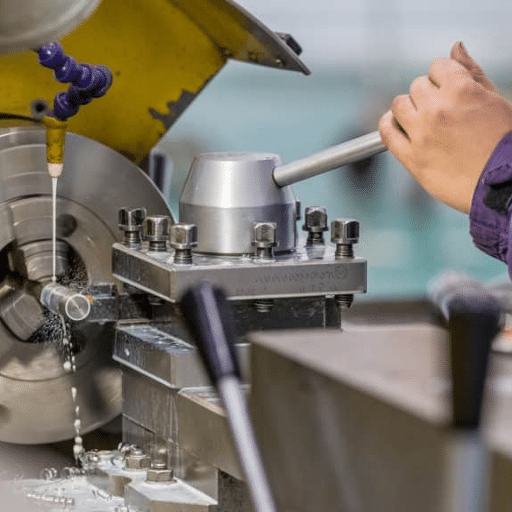
Accuracy on small machinist lathes can be kept by alignment checks for critical components like headstock, tailstock, and tool post done at regular intervals. Precision instruments such as dial indicators or test bars should be used to ensure proper alignment. Gibs should be adjusted on the carriage, cross slide and compound rest to get rid of excessive play but allow smooth movement at the same time. Lead screw and feed mechanisms have to be checked and calibrated to prevent inaccuracies in threading or feeding operations. This continuous process of adjustment will help to have consistent and precise machining results.
Checking Alignment Regularly
In order to keep the machining with small lathes accurate, it is necessary to check the alignment of main parts frequently. Start to check the level of the machine using a very precise level that should be put on the bed. Then, measure the uniformity of the cut on the cylindrical workpiece with a micrometer to find out the alignment of the headstock spindle with the tailstock. Look at the carriage and the cross slide movement to be sure that they are moving readily without any resistance or excessive play. When it is required, make adjustments to the gibs and feeds to eliminate deviations. Checks on alignment should be made consistently in order to avoid any problems that would result in an inferior quality and precision of machining.
Tightening Bolts and Fasteners
Very significant, as most experienced machinists would say, is the problem related to the manner of tightening bolts and fasteners on a small lathe: which might keep the machine stable or require additional milling precision during operation. Make sure the manufacturer’s manual is checked to see if it reveals the approved torque value and the accepted tightening sequence. Over-tightening, obviously, may mean that threads are stripped, or components may be deformed, while on the other hand, loose tightening might cause slippage or misalignment. Installation with a piece of calibrated torque wrenches; before bolting-up, make sure that even tension is exerted across all bolts. Routine inspections must be employed to check for corroded, weak, or unscrewed bolts-that is, after such intervals when the lathe is used in a prolonged manner or during heavy-duty work. Good and reliable maintenance pays off in keeping the lathe working, which should serve for a very long time.
Impact of Adjustments on Performance
Modifications to a lathe can have serious implications on its accuracy, productivity, and quality of products. In setting the tool post and workpiece, good ideas are paramount to accurate cutting and shaping of the material. Bad adjustment leads to rough cutting and quick wearing out of the tool. This might even end up in marring the workpiece. Running checks on the spindle rotation and feed constantly, the lathe removes material evenly and produces a flawless finish on the surface. Placing the parameters of the lathe right leads to a much better cut, with minimal waste, as well as better performance from the operator.
Long-Term Preventative Care Strategies
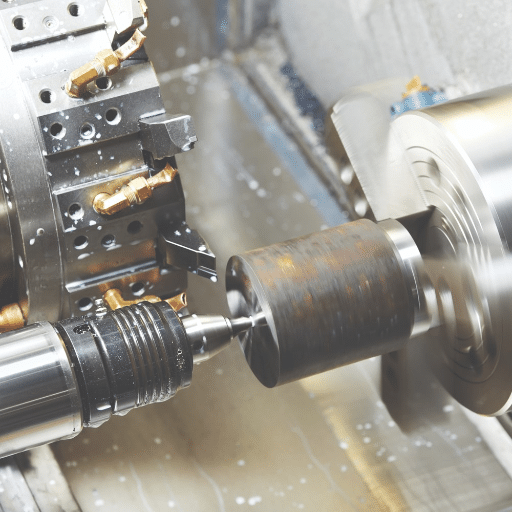
In order to facilitate extended life and sustain the working efficiency of small machinist lathes, complete care is needed for them by operators, especially in keeping them in proper storage. Regular intervals of cleaning these machines of all sawdust and dirt, oiled up with oil sliding squarely between all their moving parts so as to reduce friction, and ensuring all parts are correctly tightened are very necessary preventive measures for any problems that might befall in the future. Periodically inspect belts, gears, and bearings for signs of wear and promptly replace them when they view any symptoms. Storage of the lathe in a clean, dry, and well-ventilated area is important, as whereas the machine kept in a dark, damp corner will be severely affected by rust and corrosion, alignment and calibration of the machine, as per the regular stated times, is best practice against too much wear.
Scheduling Regular Inspections
Scheduling regular inspections for my lathe is one way to ensure it works efficiently and its life is prolonged. Generally, I do a complete check every six months and for this, the most critical part is to check the belts, gears and bearings for any sign of wear or damage. I also check the alignment and calibration accuracy during these inspections to guarantee precision in my work. Following this practice allows me to quickly know about any problems and thus avoid expensive repairs or losing time.
Replacing Worn Parts
When specific parts in a small lathe have worn due to use and require replacements, the process begins by identifying the broken bits, which should usually include things such as belts, bearings, and even gears. A person must refer to the manufacturer’s manual for specifications with respect to the parts and also for instructions. With the necessary tools, cautiously dismantle the area being worked upon and avoid causing any harm to the surrounding parts. Never use any substandard part on the lathe; make sure it too is of good quality and fastened the same way the manual instructs. Once everything has been set back in place, test the lathe for both smooth operation and accuracy. Proper maintenance and quick replacement of worn parts will assist in upping performance and life of the lathe.
Safe Storage Practices for Lathes
A big deal to keep machine tools, such as lathes, from deteriorating is preservinq their original accuracy. Begin with a cleanup of the lathe. The object here is to get rid of all dust, cutting-fluid residues, and metal chips. These residues, if left unattended, initiate rusting or cut the precision of the lathe. The most essential move is to apply a light coating of rust-inhibiting oil on the main metal parts, most importantly the bedways and chuck, to avoid the assault of water and corrosive attack. Under no circumstances can one allow to be in use or stored in steam, as that would most definitely make it quite impossible to store or use later on. Furthermore, it should never be placed near any window that faces the sun or placed in extremely hot and cold places, for temperature variations could tend to pose a heck of a disturbance to its precise alignment of the lathe. Besides, use a non-woven cloth to cover the lathe, sufficient air getting in through the cloth to avoid collection of any moisture. Doing all this will provide an extension for its usable life.
Reference Sources
-
The Choice and Maintenance of Machine Tools – A detailed guide on the maintenance and selection of machine tools, including small lathes.
-
A Study on Types of Lathe Machine and Operations – A comprehensive study on lathe types, operations, and maintenance requirements.
-
On the Criticality Analysis of Computer Numerical Control Lathe Subsystems for Predictive Maintenance – A study on predictive maintenance techniques for CNC lathes, applicable to small machinist lathes.
-
Model Development Based on Evolutionary Framework for Condition Monitoring of a Lathe Machine – Research on condition monitoring and fault detection in lathe machines, providing insights into maintenance practices.
- Premium Metalworking Lathes for Sale
Frequently Asked Questions (FAQs)
What daily and weekly tasks should I do on a small machinist lathe?
First off, clean the chips and dirt from the bed and carriage, use a rag and compressed air to clean tight spots (don’t blow coolant into bearings), check coolant level and condition, and put new oil on moving parts. Make sure to include these weekly tasks: clean and wax the bed with paste wax to stop rust from developing on the surface, check gibs and ways for play, assure that the tail stock is aligned and that the fitting is correct (Morse tapers), and run a quick function test to catch problems early. A simple lathe maintenance checklist that separates daily and weekly tasks helps keep the machine properly maintained and ready for regular use.
How do I prevent coolant clogs and keep coolant healthy on a cnc machine?
Whether manual or CNC lathe installations, consistent maintenance and control of coolant remain necessary. Whenever required, change the coolant as per the suggestions in the Cube detail list. Strip out old, dirty cooling paste, grit and debris from the coolant, or if necessary use a solvent or cleaner compatible with your coolant to wipe away any slimes. Check the filter and sumps to ensure a clean state, and look at the hoses and nozzles. To prevent backup in the cooling loop, keep it free from solid particulates by using a vacuum cleaner or sump pump. Ensure that bacteria under chip control and shop humidity are being watched with any computer-driven setup, so that the coolant remains stagnant.
What corrosion prevention steps should I take to avoid surface rust on a used or new lathe?
Apart from controlling the humidity in the shop, applying paste wax to the exposed ways and beds after cleaning, and keeping the lathe clean, using a shop vac and a rag to quickly remove metal chips and swarf, then cleaning and waxing the bed to create a protective barrier. Cover the machine if storing for a longer period and use either rust-inhibitor or thin oil film on the metal parts. Regular use also prevents rust but even idle machines should be periodically checked to catch any ding or rusty spots early.
How often should I check and adjust gibs, backlash, and the tail stock on a cnc lathe?
Gibs and backlash should be checked every month or as required, i.e. when you notice a reduction in accuracy or can feel unusual play. A month is usually the interval for both inspection and adjustment in case of regular use, but there will be heavy shop use requiring checks to be performed weekly as part of a formal weekly tasks list. The tail stock should be checked for quill runout and smooth operation, lead screws should be cleaned and oiled, and gib tension adjusted so that there’s no wobble but not over-tightened either. Document the adjustments in your lathe maintenance checklist to monitor wear and diagnose problems early.
How should I maintain the brake, quill, and larger components on a large lathe versus a small lathe?
The maintenance principles are identical for both big and small lathes, but one can require rather different skill and location constraints. For instance, inspection of brake linings located on brake around the quill is a must, and hydraulic and/ or pneumatic systems should be tried for leak-free operation. Then, of course, the quill cannot be binding or inhibiting free motion at any point. Large lathes might require special cleaners and a shop vacuum to clean out chips, while the tiny operation will normally be handled with rags and handheld tools. The correct way is to clean the parts with the correct solvent, sub-contract the oil and filter, and at least have a wise technique for keeping the lathe for checking wear and making a thorough maintenance plan.