




To bring accuracy and adaptability to your machining jobs, without occupying more space in his shop, he would surely go for a mini milling machine. Small yet very strong, this is the favorite tool of hobbyists and professional machinists alike due to its versatility—a variety of functions, from creating intricate patterns to basic repairs. Whether an expert or a beginner in the areas of craftsmanship, this article provides a brief description of the features, benefits, and all applications that a mini mill possesses to convince you why it should be included in your workshop. So, are you ready to discover how these little guys can excel in managing your projects with accuracy and efficiency?
Understanding the Mini Milling Machine
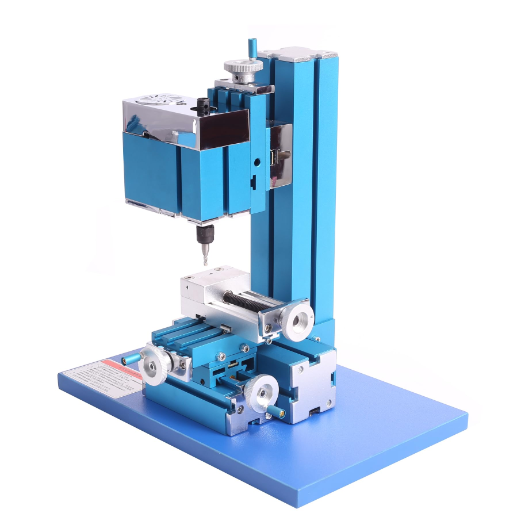
Mini milling machines are small-scale tools engineered to perform precision work of many types. Minutely cutting/drilling, or shaping materials, such as metal, plastic, or wood, are some of the main activities performed by these machines. They offer height-width-depth notable limitations (for large projects) for full-sized milling machines, which are perfect for small home projects, hobbyists, or workshops with limited space. These settings are variable, allowing operations to be scaled and adjusted with great precision, thereby ensuring that operations will be repeated with precise accuracy on materials in various applications.
What is a Mini Milling Machine?
The mini mill setup is a much smaller and very flexible cousin of the giant milling machines. These combine portability with precision, which proves very handy for DIYers, hobbyists, and professionals engaged in small to medium-sized projects. Features typically include adjustable speeds, a heavy-duty spindle, and a variable worktable, enabling it to handle a wide range of materials, from metal to plastic and wood.
Modern Features: Modern-day mini mills are equipped with features such as digital readouts (DRO) for precision and accuracy, brushless motors that produce less noise, and high spindle speeds, typically ranging from 0 to 5000 RPM, depending on the model. Some famous machines also feature tilting heads that can be raised up to 90 degrees, equipped with inbuilt safety features that include emergency stop buttons and protective guards, providing both convenience and safety.
Aside from applications in creating fine jewelry details and small mechanical components, these units mark precise micrometer measurements during item creation. For instance, customary mini mill tooling lands sometimes measure approximately 10 by 7 inches, allowing for fine and focused machining operations within a small footprint. These mills are handy and preferred over complete milling machines; most of them run between $500 and $2000, offering a range of functions and brands.
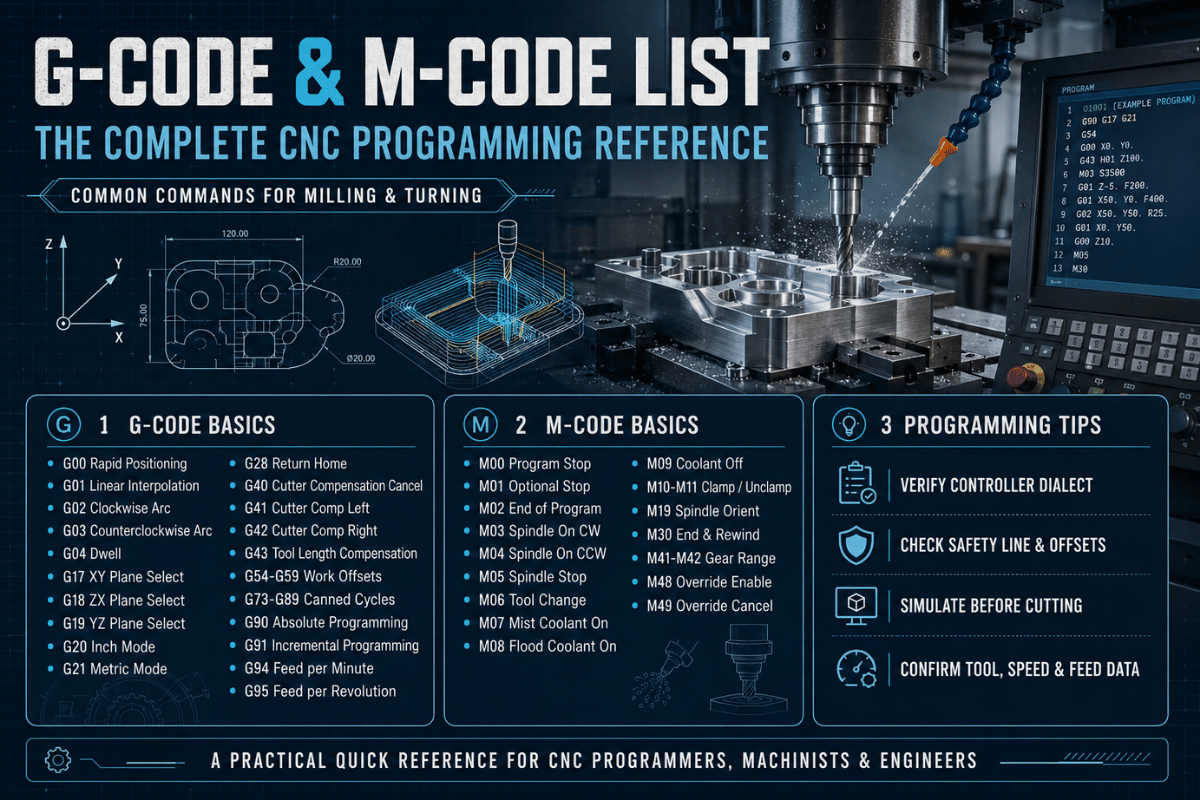
The CNC capabilities have recently been enhanced technologically and are now incorporated into specific mini milling machines, enabling programmed and automated operations. It is suitable for applications in small-scale production or for prototypes requiring high accuracy.
How Does a Mini Mill Compare to a Standard Milling Machine?
The mini mill and the general-purpose milling machine cut, drill, and shape materials, differing drastically in size, operation, and application. Mini mills, which are small and precise, are used on finer projects by hobbyists, smaller shops, and prototype production. These machines typically come with working tables measuring approximately 12 by 6 inches and are delivered with a motor rated from 0.5 to 1.5 horsepower, which is relatively powerful for light to medium tasks.
| Feature | Mini Mills | Standard Mills |
|---|---|---|
| Work Table Size | ~12″ x 6″ | 30″ x 10″ and larger |
| Motor Power | 0.5 – 1.5 HP | 3 – 15+ HP |
| Price Range | $500 – $2,000 | $5,000 – $50,000+ |
| Space Requirements | Minimal workshop space | Large industrial floor space |
| Power Consumption | Low electricity usage | High electricity demands |
| Best Applications | Fine, small-scale projects | Industrial, high-volume production |
Standard milling machines, meanwhile, are large and powerful. Work tables on standard milling machines often range from 30 to 10 inches, while the motors can generate anywhere from 3 horsepower to 15 horsepower or even more. Thus, standard millworks can accommodate large sizes and heavy works, which are very much necessary in an industrial and large-scale manufacturing setting. Bigger standard mills usually offer more versatility as well, given that they feature multiple axes of movement and/or automation options, such as 3-, 4-, or 5-axis capabilities, which make them suitable for complex designs and high-volume production.
With this premise in mind, the decision to choose a mini mill or a standard milling machine will depend mainly on the project size, the types of materials involved, and the degree of precision required. For those working on fine, small-scale things with limited space and finances, mini mills represent a reasonable option. Standard milling machines, however, are essential when high performance and high production volumes are desired.
Essential Features of Mini Milling Machines
Designed to provide precision, high versatility, and efficient operations in a limited workspace, mini milling machines are therefore best suited for hobbyists, small workshops, and fine fabrication work. Some seriatim features and specifications, highlighting a few possibilities, include:
Compactness and Lightweight
Mini mills are typically smaller and lighter than standard milling machines, usually weighing between 100 and 300 pounds. Their downsized design facilitates setting them up in constrained workshop spaces without compromising actual operations.
Speed Control
Many mini mills feature adjustable speed control systems. The range typically spans from 0 to 2,500 RPM (rotations per minute), enabling the user to process a wide variety of materials, from soft and brittle materials like plastics to harder materials such as aluminum and steel, while providing fine control over the milling process.
Spindle and Motor Power
Although smaller in size, mini- or small-scale milling machines for the most part have motors with power ranging from 250W to 750W, sufficient to perform drilling, slotting, and facing. That power class of mini mills is just ideal for light- or medium-duty machining.
Table Size and Travel Range
The worktable in mini mills typically ranges from 4″ x 12″ to 7″ x 20″, with travel distances along the X-, Y-, and Z-axes that are conducive to small yet accurate jobs. With this table size, various tasks may be efficiently handled, including fine detailing.
Precision and Accuracy
Utilizing fine feed and adjustable depth stops, mini milling machines achieve precision in their cutting operations. Their lead screws and calibrated dials allow for divisions down to 0.001″, perfect for tight finishes.
Durability and Construction
Most mini mills are manufactured from high-quality cast iron or steel for improved rigidity and reduced vibration, thereby enhancing the accuracy and finish of the workpiece.
Multi-Functionality: Mini mills can perform a sizeable array of machining operations such as drilling, tapping, boring, and cutting, despite their limited size. The capability for further upgrades with digital readouts (DROs) and more tool attachments in some models makes them still more versatile.
Cost-Efficient Investment
Mini mills offer great affordability when compared to larger milling machines, which typically range from $400 to $1,500. It is, therefore, a perfect choice for DIYers and small-scale entrepreneurs alike.
When these are combined, a mini milling machine is best suited for performing complex and delicate machining tasks, with the added benefit of occupying less floor space and offering a more affordable price. With their superior design, they cater to a myriad of requirements for precision work, eliminating the need for larger and more expensive models.
Types of Mini Milling Machines
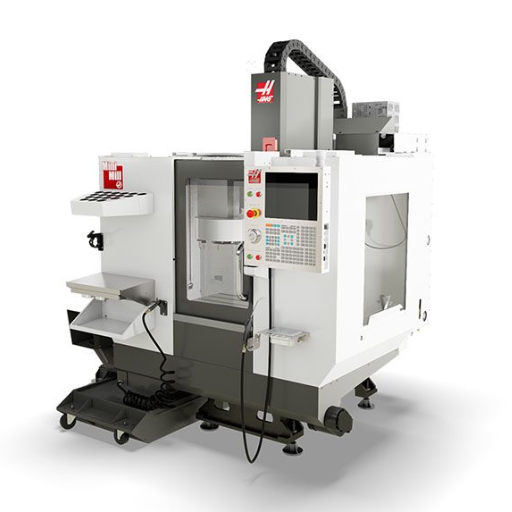
- Vertical Mini Milling Machines: These are the most typical types, with the cutting tool positioned vertically. They are adaptable to precision work and drillers who can handle a bit of everything in the shop, including slotting and cutting.
- Horizontal Mini Milling Machines: Machines with a horizontal orientation of the cutting tool are better suited for handling heavy and large materials. They excel in gear cutting or groove creation.
- Combination Mini Milling Machines: Universal milling machines combine the capabilities of vertical and horizontal machines, providing versatility in machining.
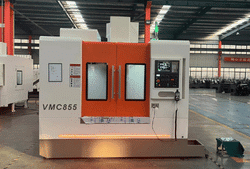
- CNC Mini Milling Machines: Computer numerical control is all about precision and automation, thereby providing digitalized controls for complex and repeatable machining requirements. Further advanced users mostly prefer them for achieving better accuracy and efficiency.
Benchtop Mini Mills
For providing accurate machining solutions in compact sizes, benchtop mini mills have gained immense popularity among both casual users and professionals. These mills are usually placed on a sturdy tabletop in a workshop or garage. Modern benchtop mills provide excellent functionality with features such as variable speed controls, DROs, and adjustable spindle heights to mill various materials, including metals, plastics, and wood.
Top-grade varieties come with a significantly powerful motor (with an approximate power range of 0.5 HP to 1.5 HP) that can confidently mill harder materials, such as steel. The most common size of a benchtop mill table varies from 18 to 22 inches, which is ample for several small jobs. Also, many benchtop mini mills come with tilting heads (tilting up to 45 or 90 degrees) to increase flexibility in machining angles.
Precision Standards: From the standpoint of ensuring precision, certain mini benchtop mills maintain very tight tolerances to the degree of 0.001 inches, making them suitable for intricate work, such as prototypes or very fine craftsmanship. Safety features, such as emergency stop buttons and protective guards, are added to the design for greater usability and to mitigate the hazards involved.
A benchtop mini mill offers the answer, balancing performance with price and footprint, in some cases, welcome in all kinds of machining work.
Portable Mini Milling Machines
Portable mini milling machines have brought a revolution in machining by affording flexibility and efficiency in diverse settings. These small machines cannot provide precise cutting capabilities that can drill and shape in areas ranging from automobile repairs to aerospace maintenance. Today’s modern portable mini mills come equipped with a variable speed control feature, digital readout, and high-torque motors, enabling them to perform any machining operation with accuracy and consistency.
For example, many spindle speeds range between 100 and 2,500 RPMs, considered suitable for a wide range of materials, including aluminum, steel, and plastic. On the other hand, these mini mills should attract a price ranging from 30 to 80 pounds, allowing for easy handling without compromising on performance. Their size is another advantage, measuring approximately 20 to 30 inches wide, making them perfect for small shops or job sites where space is limited.
In a growing share of the industrial maker’s market, these machines lie somewhere in between, offering precision typically bestowed upon heavier machines. Advancements in CNC integration have enabled portable mini mill machines to deliver automation and intricate programmability, thereby greatly extending their capabilities. From on-site repairs to fine-detail fabrication, portable mini milling machines seek to combine innovation with practicality in meeting every imaginable machining requirement.
Rotary and Spindle Options
These days, portable mini milling machines are available with a range of rotary and spindle configurations, catering to various machining needs. Rotary tables, either built-in or attachable, provide rotary movement for precision work, enabling the creation of circular cuts and arcs. Spindles run the gamut from very high speeds, upwards of 10,000 RPM, to low and high-torque ones intended for heavy-duty machining. More elaborate setups allow for adjusting spindle speed and orientation, thus affording control over cutting depth and materials that can be worked on.
Precision Capabilities: Such a spindle can guarantee precision to within a tolerance of ±0.002 inches, making it suitable for engraving or prototype work. In contrast, rotary tables with positional accuracy of up to 0.1 degrees can provide unmatched flexibility in compound angles and for contoured workpieces.
A further leap forward in rotary and spindle technology thus ensures the continued importance of portable mini milling machines, from detailed crafts to heavy industrial repairs.
Choosing the Right Mini Mill for Your Needs

Choosing a mini mill primarily depends on whether the project aligns with your requirements and budget. First, if you plan to work with specific materials, ensure that the mill can handle them effectively. Then, with the power and speed of the spindle and precision, consider how complex the tasks are. A beginner or hobbyist will find that the compact model is all they need. Primary users may prefer those with digital readouts and high-precision settings. Finally, assess the different alternatives and check customer reviews, the manufacturer’s reputation, and warranty terms to ensure that the unit will be reliable and perform as expected.
Factors to Consider: Size, Power, and Control
Size assumes great importance when selecting the proper equipment, as it must fit both the worksite and the intended use. For instance, compact models are best suited for smaller workshops or areas with limited space, as they typically stand between 16 and 20 inches. In contrast, larger models with dimensions exceeding 30 inches cater to industrial needs. Another important consideration is power output, as it dictates how efficiently the tool will handle a variety of materials. Commonly, less powerful machines with power ratings in the range of 1-2 horsepower (HP) can carry out light-duty tasks, and those working at 5 HP or above are professional-level machinery built for more hefty work.
Control characteristics also impact performance level and user perception. Modern machinery typically offers variable speed controls, which allow the user to vary spindle speeds between nearly 500 and 3,000 revolutions per minute (RPM), depending on the material type and required precision. With a digital interface and programmable settings, one can also achieve better accuracy, allowing them to execute the engraving of complex sets repeatedly with minor variations in their chosen parameters or designs. When considering the perfect decision, you will then set about making a comparison with existing models, weighing all size, power, and control factors unique to you.
Top Brands in the Mini Milling Machine Market
Grizzly Industrial
What truly characterizes Grizzly Industrial as an organization is that it sells and manufactures mini-milling machines, maintaining premium quality, with work that is durable and carefully designed. Projects requiring small-scale work, where Grizzly G8689-type machines can be used, demand very robust cast-iron constructions and perhaps variable-speed control and depth-stop adjustments for even more precision. The Grizzly choice, irrespective of whether good, affordable machines are to be used in small projects or by amateurs and specialists.
JET
The above-mentioned JET machinery is a pride because of its trustworthy and heavily featured mini-milling machines. The JET JMD-18 features a 2 HP motor, a large worktable, and adjustable speeds within a wide range, all of which help achieve a balance of power and precision—enabling wizards to make every machine handle professional and engineering-like demanding jobs with ease.
Proxxon
Known for compact and light machinery, Proxxon specializes in manufacturing mini milling machines for high-precision tasks. The Proxxon 37110 MICRO Mill MF 70 is specifically designed for delicate functions, such as jewelry-making and minor electronics repairs, due to its MICROMOT technology with variable speed. This emphasis on trim, portable options from Proxxon is only suitable for fine-detail jobs.
Shop Fox
Shop Fox is a company that offers well-built and dependable machinery for finishing milling jobs, suitable for both enthusiasts and professionals. Model names such as the Shop Fox M1036 carry an excellent reputation for their micro-milling work, offering improved precision and power behind the motor. Most of their designs focus on ergonomic controls and interfaces that are easy on the user, fully applying purpose and practicality.
LittleMachineShop
LittleMachineShop is a unique provider of mini milling machines and tools. The HiTorque series, including the HiTorque Mini Mill, is renowned for its smooth and quiet operation and enhanced spindle speeds. These machines represent a significant upgrade from regular mini mills, typically featuring belt-driven designs with rigid columns and larger table sizes, catering to more advanced work requirements.
Klutch
Knocking down prices at the cost of quality is something Klutch mini mills excel at avoiding. Key features include precision machine components, variable speed controls, and outstanding performance for light to medium-duty applications, with the Klutch Mini Milling Machine being one of the best. The machines serve DIYers and small workshops well.
When purchasing a mini milling machine, consider its compatibility with the materials you intend to use, as well as the motor power, precision, and any other extra features these trusted brands may offer. This will ensure that your purchase meets your unique machining needs.
Price Ranges and Budgeting for a Mini Mill
When budgeting for a mini milling machine, depending on the features, specifications, and brand, prices may range widely. Entry-level mini mills typically cost between $300 and $600. These are perfect for a hobbyist or a light job, but may have motors with less power and with less precision.
Budget Categories
- Entry-Level ($300-$600): Perfect for hobbyists and light jobs, with less powerful motors and basic precision
- Mid-Range ($700-$1,500): Features brushless motors, DROs, improved material compatibility, designed for fine and frequent work
- High-End ($2,000+): Professional-grade with CNC capability, larger work tables, and high precision for heavy hobby or professional use
Mid-range options are typically priced between $700 and $1,500. Such machines usually feature brushless motors, DROs, and improved material compatibility, and are designed for fine and frequent work.
At the higher end are mini milling machines, which cost $2,000 or more. These options are geared for professional use or heavy hobby use. Advanced features, such as CNC capability, larger work tables, and high precision, are often included.
Budgeting for a mini mill should involve not only the machine price but also any additional expenses, including tooling and accessories, as well as potential modifications to the machine. Aligning your budget with the actual machining work to be done by your mini mill will enable you to create a more effective plan and ensure you get the most out of your investment.
Customer Reviews and Popular Models
When it comes to mini mills, users tend to speak highly of the Grizzly G8689 and Proxxon 37110, as they are reliable for smaller parts of jobs, according to customers. Excellent functionalities combined with larger power may be the characteristics that contribute to the popularity of the JET JMD-18. Most reviewers suggest that correct working mechanisms, along with cost efficiency, are reasons for their popularity. According to your project’s needs, focus on these features, staying confident in your purchase.
Best Mini Milling Machines of 2025
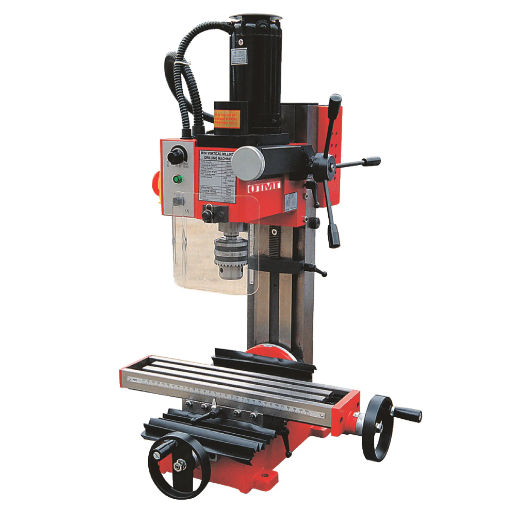
In any case, when it comes to the best mini milling machines of 2025, three models have gained significant market attention due to performance, versatility, and good reviews from users:
Grizzly G8689 Mini Mill
The Grizzly is one of the few mini mills that are highly user-preferred due to its compact construction. Features include variable speed control and are well-suited for smaller projects and hobbyists. According to user reports, it is very accurate and easy to use on various materials, including metals and plastics.
Proxxon 37110 Micro Mill MF 70
Best suited for small jobs, the Proxxon 37110 is highly recommended for its German-made portability and precision. It is also favored for its lightweight structure that allows for variable speeds, making it ideal for the most intricate work, such as engraving or jewel crafting. According to enthusiasts, beginners find it easy to operate.
JET JMD-18 Mill Drill
The JET JMD-18 remains the glory of the power mill, endowed with versatility to face larger jobs as other mini-mills. Equipped with a powerful motor and a large worktable, this model guarantees hobbyists and professionals efficient and precise results.
Every machine has its array of features to fulfill different needs, so examining your project’s needs will help determine the best choice. For precision, compactness, or just power, these models form the crème de la crème for 2025.
Customer Feedback and User Experiences
These are generally the words that customers use to praise mini mills for being reliable, accurate, and versatile. One repeatedly cited benefit has been their ability to work with a wide range of metals, from soft ones to hard alloys, while maintaining accuracy. Many users praised the small size of the machines, which fit nicely on a workbench while performing exceptionally well. Typical comments praise easy-to-use controls; others insist on solid construction that will withstand the test of time.
Some users indicate that beginners will have to overcome a slight learning curve, especially with speed-setting options and general machine calibration. There are occasional maintenance requirements, such as lubrication and alignment checks, but these are minor headaches. In summary, the mini mill is highly recommended and well-suited for both amateur and professional use, offering incredible value for the price.
Comparative Review of Popular Mini Mills
When comparing the top mini mills on the market, three models are referenced by sources for their performance, features, and value.
1. Grizzly G8689 Mini Mill
The G8689 Grizzly is the classic choice for hobbyists and small projects. Compact, the mini mill implements cast iron elements for stability and durability. Variable-speed control allows a maximum of 2500 RPM, which the user needs to further refine.
Pros
- Excellent stability and durability
- Variable speed control up to 2500 RPM
- Cost-effective for hobbyists
- Compact design
Cons
- Motor occasionally overheats with prolonged use
- Requires periodic maintenance including tightening screws
2. JET JMD-18 350018 Mill/Drill
The JET JMD-18 is often praised for versatility and solid performance. A powerful 2 HP motor is at its disposal to tackle more considerable and demanding jobs compared to the smaller models. It also features a work lamp and variable speed settings, making it an excellent asset for both seasoned professionals and amateurs alike.
Pros
- Powerful 2 HP motor
- Built-in work lamp
- Variable speed settings
- Suitable for professionals and amateurs
- Handles demanding jobs well
Cons
- Higher price point
- More expensive than basic models
3. Proxxon 37110 MF 70 Micro Mill
In essence, the Proxxon MF 70 is precision-engineered for ease of use, catering to more delicate procedures. A high-quality motor imparts this precise functioning, while a small and compact frame ensures restricted workspace usage. Most users have found it accurate for working with softer materials such as wood and plastic, but when it comes to harder metals, it just does not seem to work.
Pros
- Precision-engineered design
- Excellent for delicate work
- Compact and space-efficient
- High-quality motor
- Great for softer materials
Cons
- Limited performance with harder metals
- Not suitable for heavy-duty work
Some of the models are suitable for various uses, with the Grizzly G8689 being the most cost-effective option, while the JET JMD-18 offers power, and the Proxxon MF 70 is better suited for precision work. It all depends on what exactly you want from a mini mill and your budget.
Applications of Mini Milling Machines
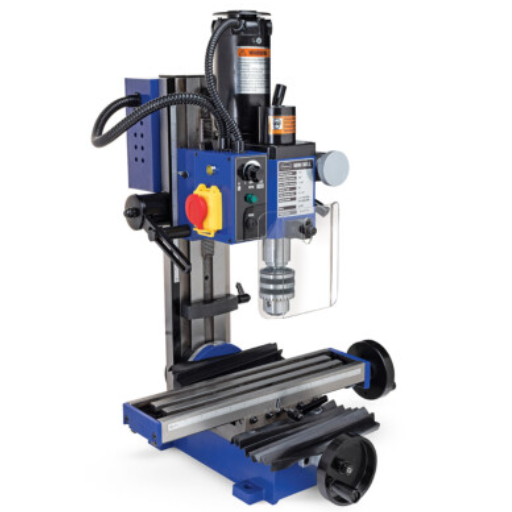
Some of the applications of mini milling machines include the following:
Prototyping
Small-scale prototypes of parts or products might be réalisé for testing and design validation.
Hobbyist Projects
Fine designs are created, commonly in wood, plastic, and soft metals.
Repair Work
Small parts for various machinery and equipment are very precisely modified or even fabricated.
Education
Machining basic and precision engineering in schools or workshops.
Jewelry Design
Expertise in creating intricate cuts and shapes for custom jewelry pieces.
Versatile and precise, these machines are invaluable for small-scale manufacturing and creative endeavors.
DIY Projects and Hobbyist Uses
With the rise of interest among small-scale manufacturers, CNC machines have become the tool of choice for such individuals, who can now complete highly detailed and accurate projects in their workshops. These machines have unleashed new potentials for crafting; thus, users can easily realize intricate designs in reality.
Hobbyists commonly use CNC machines for making custom furniture, decorative items, and personalized gifts. CNC routers are very useful in woodworking, allowing for cuts and engraving that are so precise that it is almost impossible to achieve by hand. According to the trends in tools and materials, soft materials such as wood, acrylic, and aluminum are widely chosen for various small-scale DIY projects.
Another emerging trend among hobbyists is making customized model parts for RC cars, drones, or railway models. CNC machinery enables them to produce parts that are both strong and lightweight, tailored to the specifications of their projects, thereby providing enhanced functionality and aesthetics.
Furthermore, the emergence of digital design software has complemented CNC machinery, allowing users to create or download ready-made templates from the Internet, which can assist with their projects. This opportunity has significantly increased engagement in DIY crafting and innovation. These machines enable creators to achieve impeccable precision while experimenting with innovative artistic and mechanical concepts.
Professional Applications in Metalworking
The CNC machine has changed professional metalworking by providing a very precise, repeatable, and efficient process. I have utilized CNC technology to manufacture parts that cannot be produced by hand. The advantage of CNC is that it can work with complicated designs and various metals; this has provided better speed and accuracy for my projects, making modern metalworking impossible to imagine without it.
Enhancing Your Workshop with a Mini Lathe
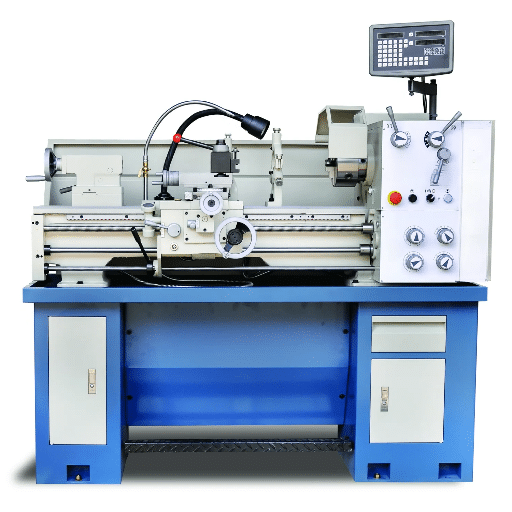
A mini lathe is a compact, versatile machine that can significantly enhance any workshop. It enables precise turning, threading, drilling, and other metalworking tasks on a small scale, suitable for both hobbyists and professionals. The mini lathe produces an excellent output, working with various materials such as steel, aluminum, and brass, while occupying minimal space. Custom parts, component repairs, and small design prototypes are usual applications. Many modern mini lathes are equipped with variable speed control and sturdy build, making them easy to use and highly durable. A mini lathe is an excellent investment for those looking to expand their creative arsenal while maintaining a sleek workspace.
Reference Sources
Surface Analysis and Roughness Parameters of Copper Metallic
Frequently Asked Questions (FAQs)
What is a mini milling machine, and what purpose does it serve?
A mini milling machine is a compact machine designed for high-precision milling and machining. This makes it popular among hobbyists and small-scale machinists who use it to perform machining on metal, wood, or plastic. With adjustable speed controls on the spindle and a selection of end mills, users have a wide range of tools to accomplish everything from simple drilling tasks to more intricate milling operations.
What factors should I consider when choosing a mini mill?
When choosing a mini mill, consider the machine’s specifications, including the motor’s power, spindle speed, and overall physical dimensions. Consider also the type of materials intended to be worked on, the degree of rigidity of the machine, and reviews of the product to ensure that it fits your purpose. Brands such as Grizzly and Sieg offer a range of models catering to both hobby and professional needs.
What is the price range of a mini milling machine?
Mini milling machines have a wide price range, with their features and brand significantly affecting the price. An entry-level model starts at around $300, and more advanced machines, with CNC capability, easily exceed $1,500. Ideally, it would be helpful if you knew where you want to set your budget and what functionalities you require so that you can locate the best machine for your shop.
How do I maintain my mini mill to ensure efficient operation?
Mini milling machines should be kept clean from metal chip deposits. One must maintain the lubrication of moving parts and, if possible, inspect the spindle bearings or bearing conditions to ensure optimal performance. Keep everything precisely aligned, following the manufacturer’s maintenance instructions, to extend the tool’s life and maintain its milling accuracy.
Can one do CNC milling with a mini milling machine?
Yes, these smaller milling machines could be converted into CNC milling machines! Appropriate kits will consist of stepper motors, control systems, and software to enable the construction of an automated milling process. The modification enhances the machine’s versatility and precision for more complex projects.
What are the advantages of mini milling for hobby projects?
A mini mill serves several functions for hobbyists, including being small, cheap, and easy to operate. With a mini mill, hobbyists can perform precision machining operations from the comfort of their own homes, eliminating the need for large industrial machinery. Additionally, features that promote accuracy are typically built into mini mills, ensuring their suitability for a wide range of DIY projects.
What are the standard accessories for a mini milling machine?
Standard mini milling machine accessories include end mills, collets, and vises. Tool change kits, rotary tables, and CNC conversion kits enhance machine capabilities, enabling machinists to perform a broader range of operations and maintain precision in their work.
How do customer reviews influence buyers’ choice of a mini milling machine?
Customer reviews play a crucial role in influencing the decision to purchase a particular product. Customer reviews offer insights into how a mini milling machine performs, its reliability, and ease of use from the perspective of actual customers. Often, positive reviews reflect a good product, while negative reviews highlight problems, thereby helping prospective customers make informed decisions.