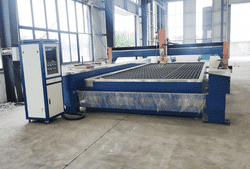
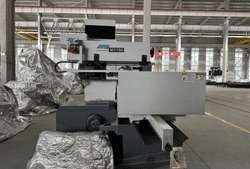


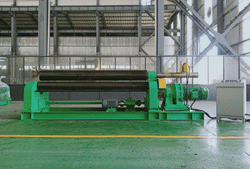

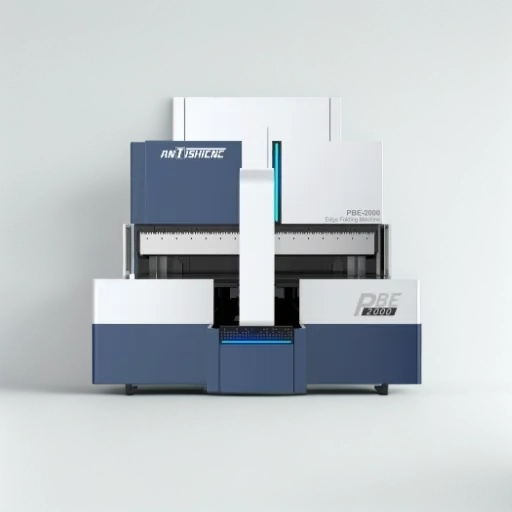
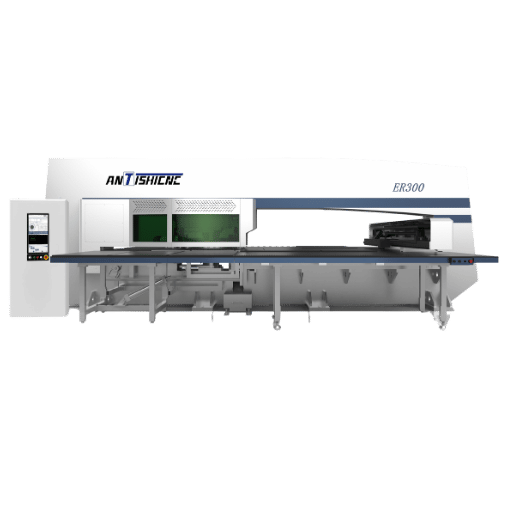
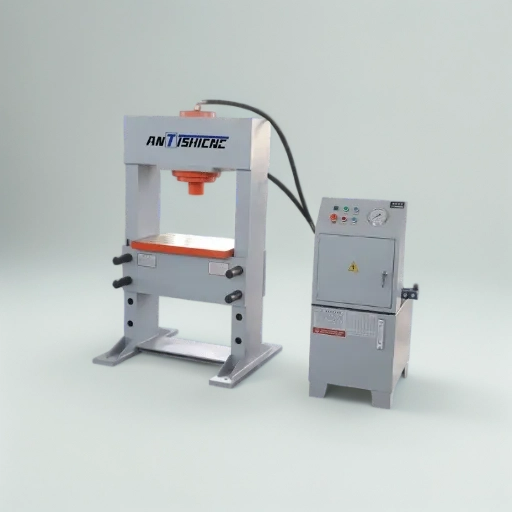


Modern manufacturing is fast-paced, and speed and precision are key factors in determining one’s standing in the industry. The vertical turning lathe machine (VTL) has opened up new vistas in the manufacture of complex components. Being able to handle large, heavy workpieces with utmost accuracy, a VTL serves as a versatile and dependable tool for machining all sorts and sizes of tasks. This article covers the salient features, Profits, and uses of the vertical turning lathe machine and, thus, describes the reasons for its indispensability to present-day manufacturing units. This introduction to VTL machines will enlighten you on their vast scope in implementing excellent techniques on the shop floor, whether for ramping up productivity or achieving ultimate precision.
Introduction to Vertical Turning Lathe Machines
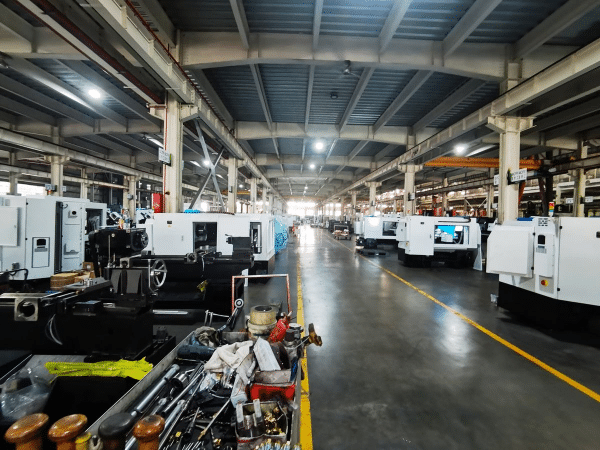
What Is a Vertical Turning Lathe?
A Vertical Turning Lathe (VTL) is a specialized type of industrial machining tool used for precision shaping and cutting of large, heavy, or complex cylindrical workpieces. Unlike in a horizontal lathe, where the workpiece rotates around a horizontal axis, the VTL places the workpiece on a horizontal rotating table. This allows cutting to be performed in the vertical direction. Such a vertical orientation makes VTLs ideal for performing machining operations on large components, such as turbine casings and engine components, used in industries like aerospace, energy generation, and transportation.
Modern VTLs are equipped with the most contemporary features, including CNC systems, which foster a high degree of automation, accuracy, and repeatability. Typical features include a heavy column, vertical spindle, and a large faceplate with clamping means for the workpiece. Some machines come with live tooling; others may be fitted with more than one spindle; and some may have more advanced automated systems, allowing for diversified machining operations.
New-age models of a VTL can exceed surface speeds of more than 5,000 surface feet per minute, with spindle horsepower ranging from 50 to over 200 HP, depending on the application. They can work with a wide range of cutting tools and materials, allowing the manufacturing of parts with tolerances of ±0.0001 inch. This has made the VTL machines most sought after by manufacturers who want fast, accurate, and cheap processing of large parts.
The History and Evolution of Vertical Lathes
The history of vertical lathes (VTLs) is one of remarkable inventions and technological advancements in machining. Vertical lathes date back to the late 19th century when the early crude designs were used to produce large parts for industrial applications. Early versions of VTLs were manually operated and highly dependent on the machinist’s skill to produce components of acceptable precision.
The incorporation of drives and crude forms of automation in the early 20th century marked a pivotal stage in the development of the VTL. By the middle of the 20th century, advances in hydraulics and electronics enabled the construction of even more complex machines capable of handling large workpieces with greater precision. The inauguration of the CNC revolution in the 1970s also gave rise to vertical lathe machines that could carry out highly accurate and repeatable machining operations with the barest human intervention.
Today, modern vertical lathes are a far cry from their predecessors, boasting some very modern features and capabilities. CNC VTLs have large spindles, many of which exceed speeds of 4,000 RPM, and are also capable of carrying huge loads often exceeding 25 tons. Advanced control systems utilize AI and machine learning to fine-tune cutting efficiency and manage tool wear. Data from a market research report from 2022 put the global market for vertical lathes at near USD 1.5 billion, with estimates suggesting a CAGR of 4-5% within the following 10 years. The machines, therefore, are a lucrative asset to industries such as aerospace, energy, and heavy equipment manufacturing, which demand utmost efficiency and precision.
From their early days of manual operations to their sophisticated computer-controlled design, vertical lathes have undergone constant rejuvenation, driven by demands for improved performance and adaptability. It is this evolution that underscores the criticality of these lathes in present-day manufacturing across different industries and heralds the way for the new generation of innovations.
VTL Key Components
Vertical turning lathes (VTLs) are complex precision-engineering machines that have several critical components responsible for manufacturing applications requiring high-performance output. The existence of various components is essential for the machine to function properly, with every element contributing to its speed and rigidity. The key components of a VTL machine and their functions are given below:
1. Worktable/Chuck
The worktable or chuck is the base of the VTL and holds and rotates the workpiece during machining. Modern VTLs utilize hydraulic or pneumatic chucks for rapid and secure clamping of large and heavy components. Depending on the application of the machine, the worktable size can be anywhere from 1 m to 25 m in diameter, and a few very advanced ones can even load a cushion of over 40 tons.
2. Column
The vertical column offers support and stability by containing the rail system on which the tool head moves. This sturdy structure ensures damping of vibration and accuracy, especially during high-speed machining.
3. Cross Rail
The cross rail is a horizontally adjustable supporting beam that supports the tool post or turret. It can be either raised or lowered based on the size of the workpiece, offering great flexibility while maintaining rigidity, which is essential for precision in large-scale machining projects.
4. Tool Turret/Tool Post
The turret or tool post is one of the main machining components, featuring several cutting tools that can be rotated and indexed for various machining operations. In many advanced VTLs, tool turrets are CNC-controlled, enabling automated tool changes, reducing cycle times, and significantly increasing production.
5. Ram/Sliding System
The ram is a vertically moving member that bears the cutting tool against the workpiece. High-end VTLs are equipped with CNC-controlled movements of the ram, which provides exceptionally high precision in turning, boring, drilling, and grooving operations.
6. CNC Control System
Modern VTL machines are equipped with highly sophisticated CNC (Computer Numerical Control) control systems that enable machining operations to be programmed to an extremely detailed level. By inputting a series of machining instructions, human operators can streamline production workflows and minimize human errors. Modern control systems provide real-time feedback and diagnostics for optimization of efficiency.
7. Spindle Drive
The spindle drive controls the rotational speed of the worktable, allowing machining at various speeds as required by the material or operation being executed. The spindle drive technology currently on application in most modern VTL allows for variable speed control, providing all the flexibility needed for broader manufacturing requirements. In most modern VTLs, the spindle motors go beyond 100 HP in handling high-performance work.
8. Chip Management System
To ensure the clean and efficient operation of the machine, a chip management system is typically included and automated in most present-day VTLs. This system collects metal shavings and debris, disposing of them to ensure long-lasting machine life and a clean working environment.
9. Coolant System
Cooling is essential during machining to ensure the prolonged life of the tools and maintain dimensional accuracy. Advanced coolant systems waste nothing and give all cutting fluid directly to where it is needed at the interface of tool and workpiece, thus providing a better surface finish and soundness during prolonged machining.
Understanding these components and new innovations will enable manufacturers to leverage the VTL machines to improve productivity, accuracy, and adaptability across numerous industrial applications.
Unique Features of Vertical Turning Lathes

Cutting-Edge Technology in VTL Machines
Modern VTLs have been fitted with cutting-edge technologies to boost their efficiency, productivity, and flexibility. One of the newer types of features that can be found inside a contemporary VTL are CNC control systems. CNC is a control mechanism that enables automated, preprogrammed movements during machining operations, allowing manufacturers to achieve tight tolerances of as little as ±0.001 inch. To aerospace and automotive manufacturing, precision is something that cannot be compromised.
Another interesting update has been the hybrid machining capabilities, which allow the use of traditional turning to execute milling and drilling functions. This polyvalent machining would reduce set-ups and, therefore, save time and streamline work flows. Advanced VTLs feature servo axes and high-torque motors, providing sufficient power and flexibility to machine a wide range of materials, from soft metals like aluminum to challenging alloys like titanium.
The adoption of enhanced sensor technology and IoT connectivity has fur the developments in VTL, hence the opportunities for real-time machine monitoring and predictive maintenance. For instance, with vibration and thermal sensors on the VTL, abnormal operations can be detected, and potential problems can be addressed before they become costly downtimes. According to recent evidence, IoT-enabled machinery optimizes operating resources by as much as 30 percent while increasing overall equipment effectiveness.
Finally, advanced coolant delivery systems, such as high-pressure through-tool coolant technology, enable the enhancement of thermal management in machining processes. This coolant strategy will significantly contribute to increased tool life, by up to 25%, according to industry reports, and maintain an excellent surface finish on the workpiece even during high-speed cutting operations.
In combining a good base of innovative technologies, modern VTL machinery provides manufacturers the avenue to optimize the operations, improve the final product quality, and compete with swiftly evolving industrial trends.
Pros of Vertical Design
Concerning specific applications in contemporary industrial settings, the vertical construction of VTL confers several significant advantages. First, it wastes less space: vertical lathes are designed to minimize their footprint, so they find ready application in workshops and facilities where floor space is at a premium. For example, a vertical lathe typically occupies as much as 30 percent less floor space than a comparable horizontal lathe with the same functionality.
The next quality would be in the pracmanship of heavy works. By design, vertical lathes utilize the power of gravity by dropping the workpiece onto the chuck so that parts can be safely and firmly machined for large-size jobs like engine casing and turbine parts. Due to the effect of gravity, deformation is less, tight tolerances are provided, and accuracy is ensured. According to recent industrial reports, manufacturers employing the vertical design achieve 20% better precision on heavy and complicated parts than working with horizontal ones.
Another good thing is a better ergonomic interface to the operator. In the vertical setup, loading, unloading, and inspection of larger parts are easier, thereby reducing downtime and increasing workflow efficiency. There have been reports on increased productivity, where some have claimed up to 35% reduction in cycle time while using advanced vertical configurations.
These combined enhancements, along with cutting-edge vertical design features such as automated pallet changers, live tooling, or integrated quality inspection systems, will enable seamless multitasking, reducing production time and improving output quality. With the technological advances from the previous paragraph, coupled with the inherent benefits of a vertical design, manufacturers will, without a doubt, be able to efficiently handle the demands of high-precision, high-volume production environment.
Precision Machining Features
Precision machining in a modern world has made it possible to be assured of manufacturing processes for highly accurate and reliable components in various industries in aerospace, automotive, medical, and electronics. Working with state-of-the-art machines, such as CNC and multi-axis machine systems, precision machining provides an accuracy that ranges from ±0.0001 inches in tolerance. Such levels of accuracy are necessary where the mother’s slight deviation in the working environment could create performance issues or pose a risk to life in actuality.
Among recent developments in precision machining are the level of use of computer-aided design (CAD) and computer-aided manufacturing (CAM) software. These two technologies maximize productivity by optimizing machining paths, reducing waste, and allowing rapid prototyping. Furthermore, the implementation of high-speed spindles and advanced tooling has significantly reduced cycle times, with no compromise on product standards.
From an industrial perspective, the statistical data reveal a rapidly growing demand for precision machining. For instance, the global CNC machining market was valued at approximately USD 83 billion in 2022, with an expected CAGR of 7.4% from 2023 to 2030. What is driving such growth is the escalating demand of complex parts in automated systems that can work 24/7.
The new modern precision machining capabilities include superior material handling, allowing industries to manipulate aluminum, titanium, stainless steel, and exotic alloys. For the medical industry, the biocompatible counterparts of PEEK and medical-grade titanium are machined with extreme precision to produce implants, surgical instruments, and prosthetics.
In light of these recent developments, industries will be able to stay ahead by maintaining their production of high-quality components that meet current market standards.
Benefits of Vertical Turning in Manufacturing Processes
Efficiency Gains Compared to Traditional Methods
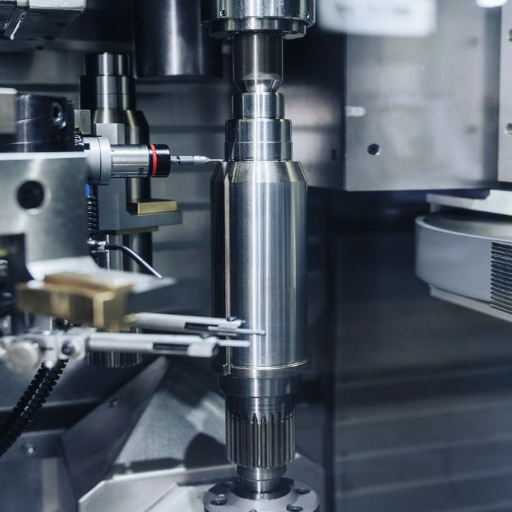
Vertical turning brings critically vital advantages in terms of efficiency over horizontal processes, especially in working large, heavy, or complex workpieces. By their vertical orientation, vertical lathes provide the manufacturer with increased stability and precision. The weight of the workpiece ensures that gravity locks the component firmly into the chuck, thereby minimizing vibrations during machining and allowing for high accuracy.
Vertical turning processes can reduce cycle times by approximately 30%, as compared to traditional methods, is stipulated in industry studies; such improvement comes from a reduction in the number of setups involved or from combinations of multitasking processes like milling, drilling, and finishing in one single machine. Modern vertical turning centers are often fitted with automatic tool changers and advanced CNC controls whereby processors follow the set programs faithfully, hence reducing downtime.
Moreover, the use of vertical turning translates into significant labor cost savings. Reports show a drop in the material scrap rate of about 20%, a consequence of the precision and optimized cuts the vertical turning achieves. Incidentally, other reports claim energy savings of the order of 15% due to newer generation vertical lathes that conform to sustainable manufacturing targets.
When supplemented with cutting-edge automation developments, including robotic loading and unloading systems, manufacturing efficiency levels rise, and profits follow suit. Vertical turning is therefore a vital transformation that allows manufacturers in sectors like aerospace, automotive, and energy meet rigid production targets while maintaining excellent levels of quality.
Cost-Effectiveness in Production
The vertical turning machine is an essential production technology for precision and efficiency but also provides significant advantages regarding saving costs in untold modern production environments. When the manufacturers integrate production automation technologies, labor costs shrink by as much as 30%, according to some reports. An added advantage of minimizing material waste is that it lessens the requirement for raw material by an estimated 15% through accurate cutting and finishing.
There is research proving that automotive and aerospace industries have witnessed a 25% increase in production capacity with reduced operating costs since the introduction of automated vertical turning centers. From the perspective of minimizing costs, these machines occupy less floor space than their horizontal turning counterparts, thereby reducing the expenditure that would otherwise be incurred for amenities. On the other hand, this provides an opportunity for manufacturers to optimize their layouts in the manufacturing process.
On the other hand, when compared with energy-efficient motors and intelligent monitoring systems, the vertical turning will contribute to both economic and environmental sustainability, ensuring manufacturers become cost-effective without compromising on performance and quality.
Improving Quality and Precision
Vertical Turning mechanisms have for long been known to be a key contributor to improving quality and precision in present-day industrial production. Such machines are, in fact, suitable wherever very thin tolerance necessitates minimum vibration during operations; they enhance production stability and accuracy. Recent data indicate that tolerances as low as ±0.002 mm can be achieved by these heavy-duty vertical turning machines, which is ideal for the aerospace, automotive, and energy sectors where very exacting standards are in place.
The implementation of CNC (Computer Numerical Control) has also improved and elevated the quality further. Additionally, with the use of machine learning algorithms with AI-driven interfaces, predictive adjustments can be made during cutting to reduce machining errors by up to 30% as averred in some case studies. The system also provides multi-axis capabilities whereby complex geometries can be machined with ease.
Furthermore, tool-life monitoring and adaptive control provide for the continuous assessment of production quality. Ensuring a consistent surface finish, these mechanisms extend tool life by up to 25%, thereby reducing material wastage and enhancing overall efficiency. These innovations enable manufacturers to maintain consistently high levels of product quality, which is the key attraction in high-volume and high-value production.
Vertical Turning Lathes vs. Horizontal Lathes

Design Differences and Functionalities
One crucial feature differentiating vertical turning lathes from horizontal lathes is the orientation of their spindle and workpiece. With the spindle kept vertical, the chuck or table of a vertical lathe sits with its face horizontal to the workpiece. This design provides maximum support to large, heavy, and asymmetric parts, such as those found in turbine casings or engines. Hence, VTLs are specifically good at machining large-diameter workpieces since gravity assists firmly fixing the part for the operation. Modern VTLs can handle parts whose weights exceed 40 tons and whose diameters exceed 20 feet, ensuring vertical stability and precision.
The horizontal lathe features a spindle positioned horizontally concerning the base, used for machining cylindrical and somewhat elongated products, such as shafts and rods. Additionally, they are well-suited for long workpieces that require machining through longitudinal feeding in a single continuous operation. Horizontal types remain more versatile and are cost effective for smaller or mid-sized parts, supporting higher spindle speeds and are usually designed with automatic machining in mind.The best horizontal lathes can easily bring tolerances down to below 0.01 mm and are commonly used for mass production in the automotive and aerospace industries.
Some unique functional characteristics set these machines apart; one of the most essential distinctions involves how chip evacuation is performed. VTLs primarily benefit from gravity-assisted chip evacuation, as chips and debris drop away from the work zone, preventing them from accumulating and compromising machining accuracy. Horizontal lathes, on the other hand, require complicated chip management, such as a coolant flush, to overcome this problem.
Further developments are also applied to improve the functioning of both. For example, VTLs are now multi-axis machines, enabling milling, turning, and grinding to be performed in a single setup, which reduces cycle time by 30%. Horizontal lathes perform drilling and tapping operations through live tooling and Y-axis capabilities, thereby enhancing workflow.
Ultimately, the choice between a vertical or horizontal lathe depends on the application, which determines the size, geometry, and production volume of the parts. The decision-making personnel in manufacturing usually study parameters such as operational speed, accuracy, and the initial investment cost of the machine to select the best solution for their production lines.
Ideal Use Cases for Each Type
Vertical lathes are best suited for machining large, heavy, or irregularly shaped workpieces requiring maximum stability and high precision. The aerospace, automotive, and energy sectors are the main users of vertical lathes. They are commonly used in the manufacture of large engine parts, bearings, and wind turbine components. Due to their vertical configuration, these lathes distribute the weight of workpieces evenly, which helps mitigate stressing and distortion, thereby improving the accuracy of machining. With recent improvements in automation, such as robotic loading, vertical lathe operations are more suitable for high-mix, low-volume production.
Conversely, horizontal lathes excel at machining long and symmetrical components, such as shafts, spindles, or rods. These machines have numerous applications in the oil and gas, construction, and railway industries. Horizontal lathes are typically equipped with a tailstock and steady rests to enhance accuracy in the production of extended parts and maintain the structural integrity of the workpiece. Recent market trends have highlighted the increased adoption of CNC machines and horizontal lathes for mass production, due to their ability to guarantee consistent quality and faster cycle times.
A 2023 industry report reveals another growing demand for CNC vertical and horizontal lathe applications in Industry 4.0 Technology. Vertical lathe market growth jumped 7% YoY, encouraged by large renewable energy projects requiring large precision components. On the other hand, horizontal lathe applications remain in a prime position in automotive parts manufacturing, with more than 60% of manufacturers surveyed still preferring horizontal solutions due to their scalability and cost-effectiveness. This data once again serves to reinforce the importance of matching production expectations to lathe technology.
Comparative Study of Performance
Mechanical performance integrates various performance factors, including accuracy, versatility, speed, maximizing output, and reliability. Vertical lathes are best suited for tasks involving the machining of significant, heavy components due to their ability to handle higher load capacities and maintain stability during operations. For example, in the aerospace and energy industries, these sectors heavily rely on vertical lathes for the production of turbines and rotors. Statistics show that such sectors have witnessed a 9% rise in demand for vertical lathes as stringent manufacturers opt for precision machining of complex parts.
In a mass production environment, horizontal lathes are second to none as an efficiency tool for manufacturing small, uniform components, such as those used in the automotive and consumer goods industries. Industry analyst reports in 2023 stated that over 65% of manufacturing plants producing automobiles have invested in horizontal lathes, which are favored due to their short cycle times and relatively easy integration with automated systems, such as robotic arms or conveyors. This highlights the urgency to meet the demand for scalable production while maintaining efficient costs.
Further study on lathe performance and energy consumption indicates that horizontal lathes consume less power per operation cycle than vertical lathes, which is preferable for those seeking sustainability and reduced operational costs. Hybrid models, however, that combine the best features from both the vertical and horizontal layout seemto foster a switch in preference now, offering greater flexibility and technological integration such as CNC control systems and IoT-enabled performance monitoring. This evolution hints then at a balanced focus in the next few years in terms of precision, scalability, and sustainability.
Choosing the Right Vertical Turning Lathe Machine
Factors to Consider: Materials and Production Scale
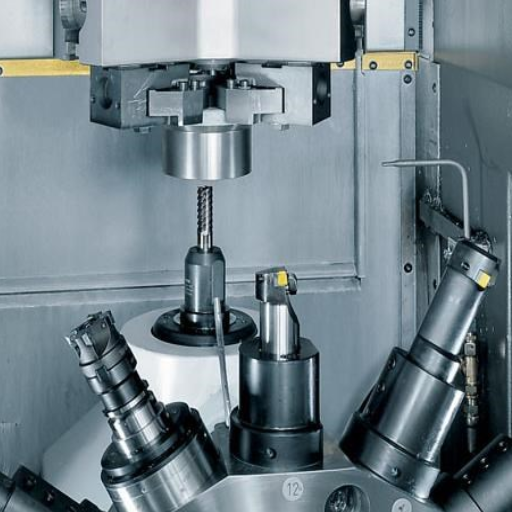
Choosing the right vertical turning lathe machine requires careful thought about the production demand and materials it will be handling. Materials require a certain amount of cutting force, spindle speed, as well as precision of tool. Machining very hard materials, such as titanium or high-strength steel, requires mighty machines with a lot of torque and hard wear-resistant cutting tools. Softer materials, such as aluminum and plastic, are poised to gain productivity benefits with increased spindle speeds.
The scale of production is another critical factor to consider when evaluating a machine. In general, low-volume custom manufacturing facilities consider process versatility and adaptability as essential; conversely, high-volume manufacturing requires machines that can maintain the required accuracy and efficiency over long production runs. Currently, it is a growing trend to outfit VTLs geared for the manufacture of large components in aerospace or energy with IoT systems capable of real-time performance monitoring, allowing this information to be used for predictive maintenance and downtime reduction—a prime concern for high-capacity production.
According to manufacturers at the forefront, manufacturing efficiency gains of up to 30 percent can be achieved using CNC-controlled automated machines, including automated material handling systems that interface with robotic arms. It is also prudent to consider a machine’s power consumption to fulfill sustainability objectives while aligning with low operating costs. Aligning production demands with materials and production scale enables a business to stay in line with the latest trends and technology, thereby pursuing higher productivity while maintaining cost-effectiveness.
Analyzing Particular Operational Needs
When considering particular operational needs, a business must consider several key aspects to achieve an effective and efficient production process. These include the type of materials being processed, required levels of accuracy, production volumes, and whether advanced technologies need to be integrated into production—i.e., Industry 4.0 solutions.
For instance, according to data from a 2023 report, approximately 75 percent of manufacturing companies are adopting innovative manufacturing technologies, such as IoT-enabled CNC machines. These machines provide real-time data monitoring, enabling businesses to plan and optimize their operations, reduce waste, and minimize downtime. Additionally, with predictive maintenance, AI, and machine learning could also reduce unplanned maintenance costs by 30%.
Another definite factor is the scale of production, whereby small production favors versatile, multi-functional CNC machines, while larger-scale production is most suited for specialized equipment to boost throughput. Increasingly, businesses are focusing on energy-efficient machines, and according to recent studies, implementing energy optimization on machinery can reduce operational costs by as much as 20% annually.
Also, consider the layout and workflow within the facility. An intelligently designed setup that embraces automated material handling systems—such as robotic arms or conveyors—ensures smooth passage for parts and materials, further increasing productivity. Aligning with operational needs on the latest trends and data-driven practices keeps businesses competitive in the evolving manufacturing terrain.
Tips for the Selection of the Best VTL Machine
Choosing the right vertical turning lathe machine is crucial to the overall efficiency, accuracy, and long-term reliability of the entire manufacturing operation. Here are tips to take you through your decision-making process:
1. Determine Your Production Needs
Determine the details of your production needs, including the size of the part, material type, expected tolerances, and volume. For example, if you find yourself working on large-diameter components, be sure that there is a VTL machine with a suitably sized table diameter and chuck capacity attached to the name. Today, VTL machines are manufactured with table sizes ranging from 800mm to over 6000mm, capable of handling parts from medium-sized to large and heavy-duty components.
2. Consider an Automated Process
Otines were being implemented on a big scale through Industry 4.0, where automation gains more importance. Look for integrated robotic tool changers or automated pallet systems, or smart sensors for real-time monitoring. Reports show an increase in production efficiency of up to 30% when processes are automated on VTLs, resulting in a reduction of human errors.
3. Check for Accuracy and Stability
The accuracy of your machine has a greater impact on the product outcome than anything else. Therefore, high-quality linear guides, hydrostatic tables, and rigid constructions are essential during operation to ensure optimal accuracy and stability. Also to consider would be the advanced spindle design with vibration-dampening technologies to give more accurate and tighter tolerances.
4. Analyze Controls and Software System
Modern VTLs are equipped with advanced CNC (Computer Numerical Control) systems, which enable intermediate levels of operational flexibility. Friendly user interfaces and CAD/CAM software system compatibility allow the streamlined programming and setup process. New-generation machines are more IoT-enabled for predictive maintenance and remote diagnostics, which help reduce downtime.
5. Analyze Energy Efficiency
With sustainability becoming hot, the selection of an energy-efficient VTL will not only reduce operating costs but also contribute toward environment-friendly objectives. Most of the new VTL models are built with energy regenerative braking system or energy recovery features, which would save about 15-20% power consumption.
6. Supplier Reputation and After-Sales Support
Become associated with those who have an impressive track record in supplying dependable VTLs. Opt for a supplier who can provide after-sales support that guarantees immediate availability of spare parts, customer support on a dinner table, and training courses for your own operation.
If you look at these aspects carefully and keep up-to-date with the latest advances, you should be able to find a VTL machine suitable to your actual production objectives and guarantee its success in the long run.
Reference Sources
-
Search Your Library: Look for “Vertical Turning Lathe Machine” or related terms. I can help analyze uploaded files if needed.
-
Use Semantic Scholar: Search for “Vertical Turning Lathe Machine” and filter for studies from the last 5 years.
-
Summarize Papers: For each paper:
- Key Findings: Main conclusions about VTL machines.
- Methodologies: Research methods used.
Frequently Asked Questions (FAQs)
What is a vertical turning lathe machine and how does it operate?
A vertical turning lathe machine, often referred to as a VTL machine, is designed for precision machining of medium and large workpieces. It operates with a vertically oriented spindle that allows for the clamping of heavy workpieces, such as pump housings and larger castings. The vertical axis design benefits from gravity, which aids in the stability of the workpiece during turning operations. This type of machine is ideal for industries that require high-power cutting and reliability, offering versatile solutions for various machining needs. Users can set up multiple cutting tools to enhance productivity and efficiency during machining processes.
What are the benefits of using vertical boring mills in industrial machining?
Vertical boring mills (VBMs) provide several advantages for industrial machining, particularly for heavy-duty and high-power applications. These machines excel in producing larger and heavier components, thanks to their robust construction and ability to handle significant loads. The vertical orientation enables easy loading and unloading of workpieces, while the precision provided by CNC capabilities ensures high accuracy. Additionally, the machines can be equipped with advanced tool changers to facilitate various operations, enhancing overall productivity. In industries where larger castings and complex geometries are the norm, VBMs are often the preferred choice due to their efficiency and versatility.
How does the spindle work in a vertical lathe machine?
The spindle in a vertical lathe machine is a critical component that supports the rotation of the workpiece. In a typical VTL setup, the main spindle is vertically aligned, allowing for efficient machining of large parts with high precision. The spindle can rotate at various speeds, accommodating different cutting tools and materials, such as cast iron and steel. This flexibility enables the machine to perform multiple operations, including turning and boring, on medium to heavy workpieces. Moreover, the spindle’s design contributes to reduced vibration during operations, ensuring smoother machining and improved surface finishes.
Can vertical turning lathe machines handle heavier workpieces?
Yes, vertical turning lathe machines are specifically designed to handle heavier workpieces, making them ideal for industries that require machining of large and bulky components. The robust construction of VTLs allows them to support significant weight while maintaining precision. Features such as a rotary table and a strong ram-type structure enable effective clamping and stability during machining processes. This capability is particularly beneficial when working with materials that demand heavy-duty cutting operations. The ability to machine heavier workpieces without sacrificing accuracy makes vertical lathes a preferred choice in manufacturing settings.
What types of machining needs can be met with vertical turning centers?
Vertical turning centers are versatile machines that can meet a wide range of machining needs across various industries. They are particularly effective for turning operations involving medium- to large-sized parts, such as automotive components and aircraft parts. With optional features such as CNC controls and multiple axes, these centers offer enhanced precision and flexibility for complex machining tasks. The integration of tool changers allows for rapid switching between different cutting tools, optimizing cycle times and production efficiency. Overall, vertical turning centers are designed to address diverse machining requirements while delivering high-quality results.
What role does clamping play in vertical turning operations?
Clamping is a crucial aspect of vertical turning operations, ensuring that the workpiece is securely held in place during machining. Proper clamping prevents movement or vibration that could lead to inaccuracies or defects in the final product. In vertical turning lathe machines, effective clamping systems are designed to accommodate heavier workpieces, providing the stability needed for high-power cutting operations. Various clamping techniques, such as hydraulic or mechanical clamps, can be employed to suit different workpieces and machining requirements. The reliability of the clamping system directly impacts the quality of the machining process and the overall productivity of the operation.