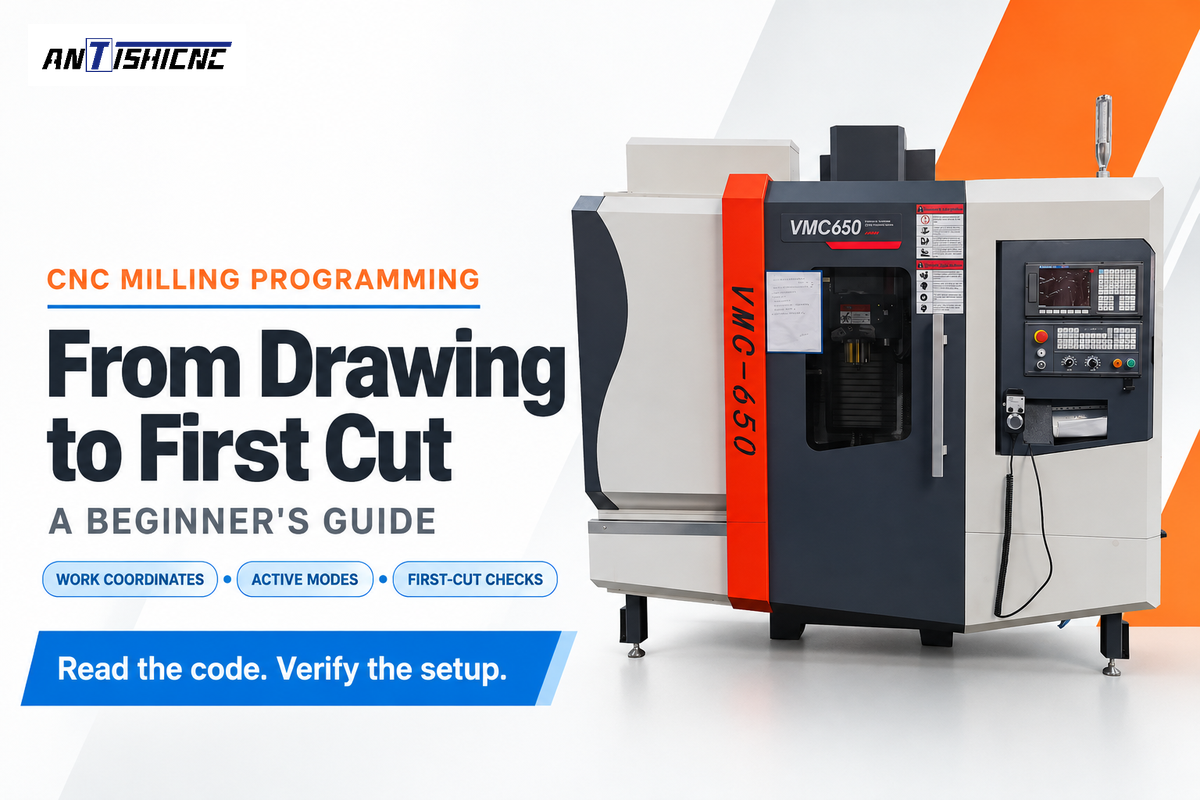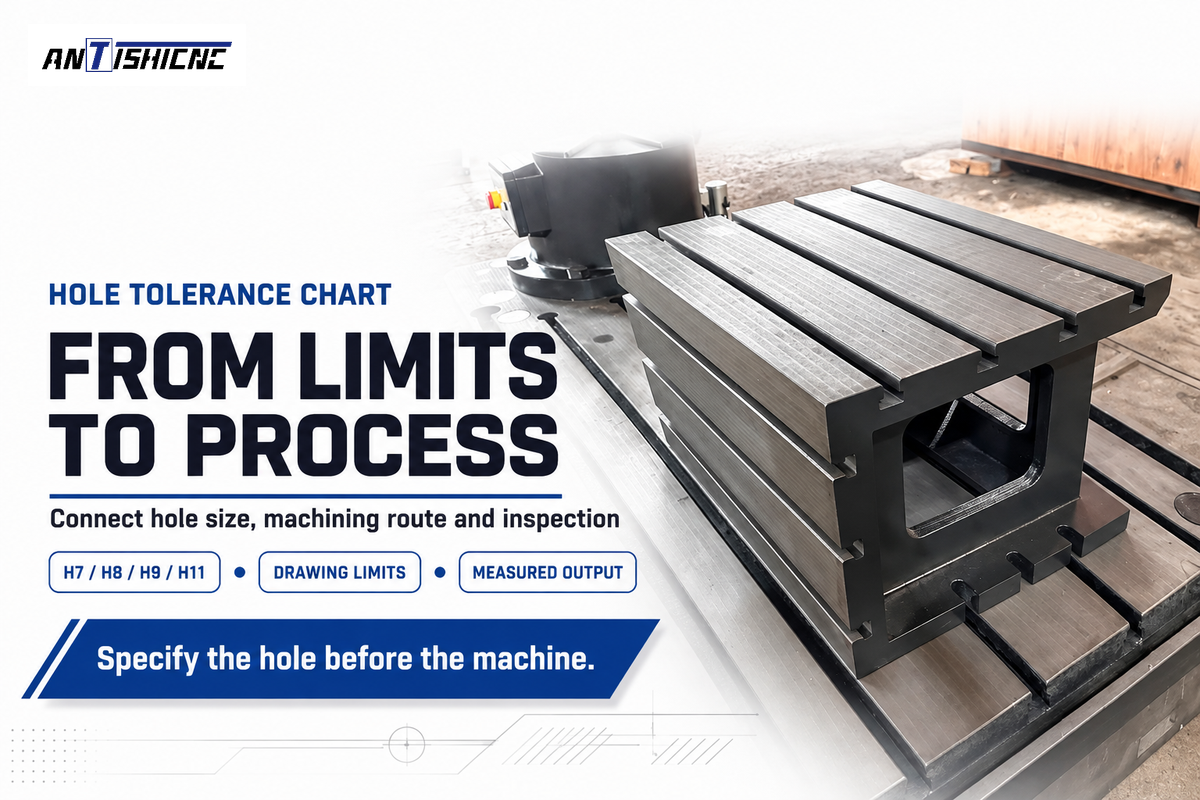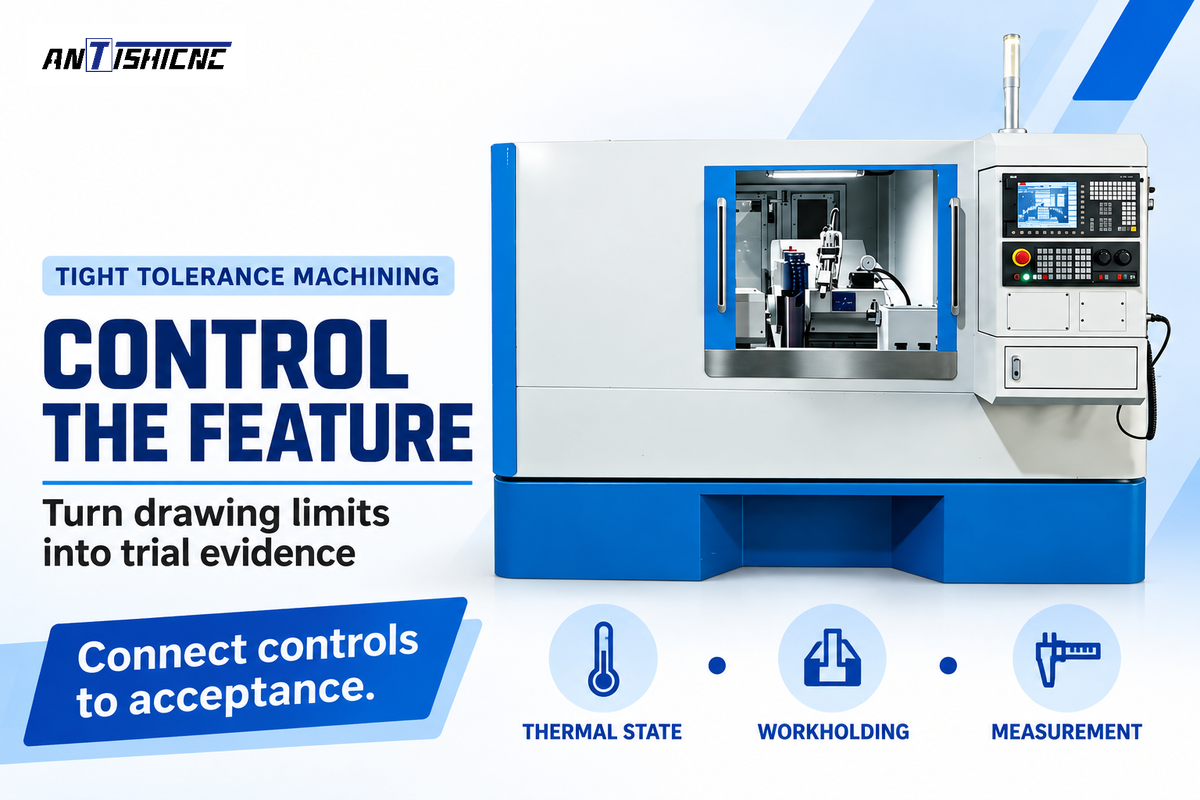
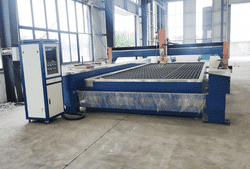
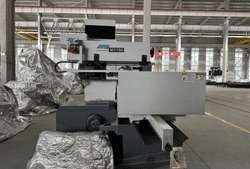


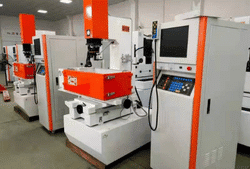
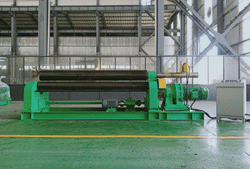

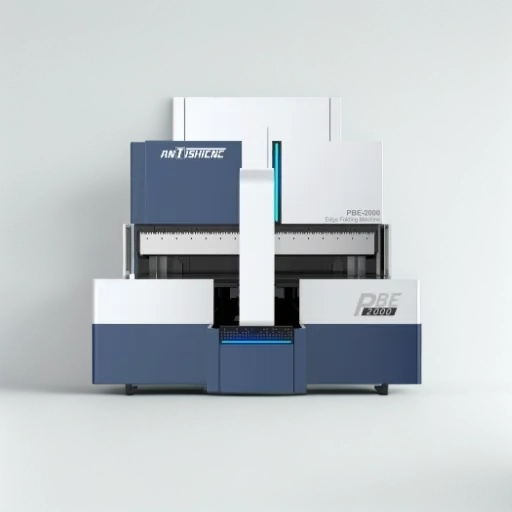
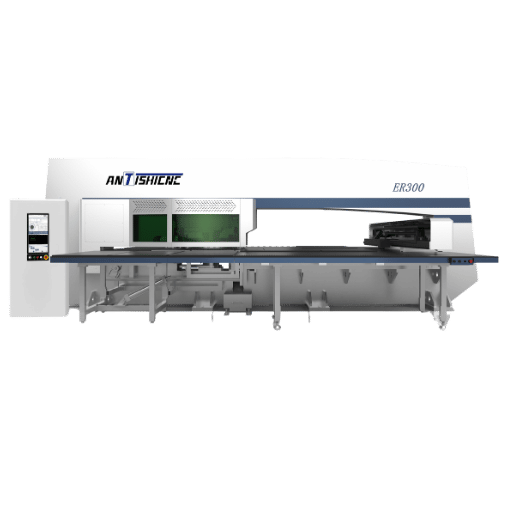
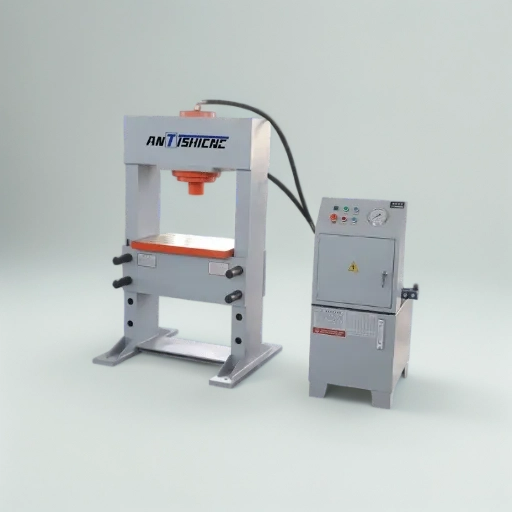


Modern slotting machines have revolutionized precision machining with cutting-edge technology, advanced materials, and innovative techniques that deliver superior results across manufacturing industries.
Emerging Technologies in Slotting Machines
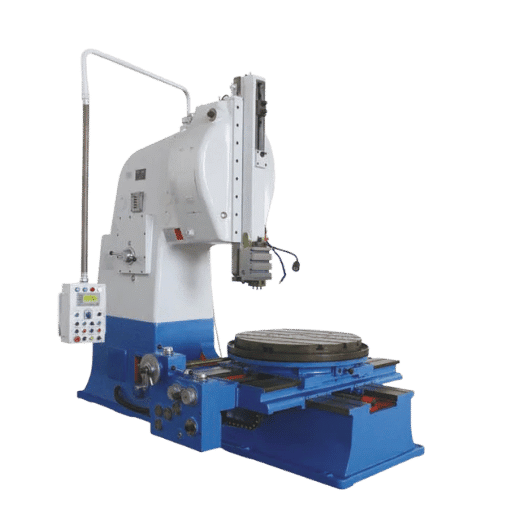
The integration of automation and CNC technologies has transformed slotting machines into sophisticated multitasking systems. By combining real-time monitoring with predictive maintenance capabilities, modern CNC machines ensure improved system accountability while dramatically reducing operational costs and increasing overall effectiveness.
Key Technology Integration Benefits:
- V-carving machines: Handle high-speed cutting through carbide and zircon tools
- Multi-access machining: Optimizes calibration for excellent quality and consistency
- Automated workflows: Reduces human intervention while maintaining precision
Automation and CNC Integration
Automation and CNC machines significantly reduce manual labor through sophisticated automated systems that execute complex commands with remarkable efficiency. The integration of robotic arms, conveyor technology, and advanced control systems eliminates workflow disruptions while delivering:
Cost Reduction
Lower labor costs through automated processes
Enhanced Accuracy
Consistent precision in manufacturing operations
Increased Production
Higher output rates in complex manufacturing
Smart IoT-Enabled Slotting Tools
IoT-enabled slotting tools represent a significant advancement in precision machining, offering real-time monitoring capabilities and precision adjustments. These intelligent systems utilize smart sensors to capture and stream operational data, enabling users to:
- Monitor tool usage: Track performance metrics in real-time
- Optimize maintenance: Predict service requirements to reduce downtime
- Extend tool life: Increase optimal performance through data adjustment
- Enhance automation: Support horizontal extension of connections in order to interact with manufacturing systems
Advanced Materials for Enhanced Performance
Modern engineering materials have evolved significantly, incorporating advanced composites and alloys that dramatically improve durability and precision in slotting operations:
Benefits of New Technologies in Slotting Tools
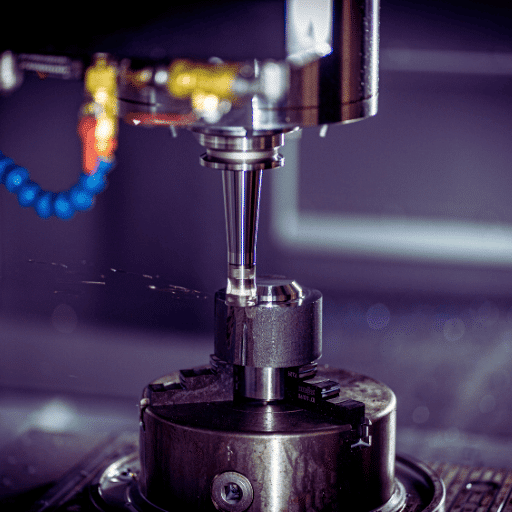
Efficiency Transformation and Downtime Reduction
Modern slotting tools have revolutionized industrial operations through seamless integration of advanced production technologies. The significant reduction in tool wear compared to previous-generation equipment has resulted in substantial operational improvements:
Performance Statistics
Superior Precision in Advanced Machining Operations
The integration of computer-aided design (CAD), computer numerical control (CNC) systems, and high-performance feedback loops has significantly enhanced accuracy in modern machining operations. Key improvements include:
Automated Design Benefits
Repeatable processes with reduced manual operation errors through CNC controls
Real-Time Monitoring
Instant corrections during operation reduce defects and improve tolerances
Operational Best Practices for Slotting Machine Tools
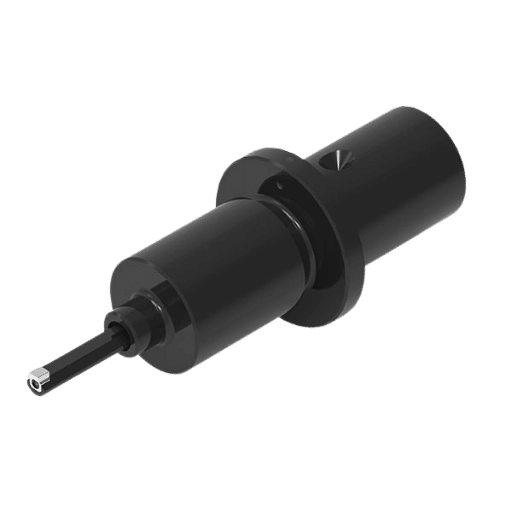
Importance of Proper Calibration and Alignment
Critical Point: Proper calibration and alignment of cutting tools are essential for maintaining high product quality and preventing equipment failure. Inadequate maintenance leads to unsatisfactory cuts, product failures, and significant operational downtime.
Optimizing Cutting Speeds and Feeds
Determining optimal cutting parameters requires careful consideration of multiple factors:
- Material Properties: Understanding the workpiece material characteristics
- Tool Specifications: Matching cutting parameters to tool capabilities
- Desired Finish: Adjusting parameters for required surface quality
- Manufacturer Guidelines: Following recommended specifications from tool manuals
Common Mistakes to Avoid
Maintenance Tips for Prolonging Performance
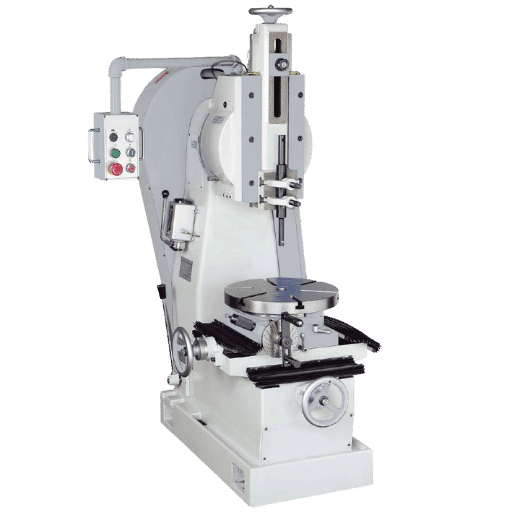
Daily Maintenance Checklist
✓ Daily Operations Checklist
- 🔍 Visual Inspection: Check for damage, wear, or loose components
- 🧹 Workspace Cleaning: Remove debris, trash, and unused materials
- ⚙️ Equipment Lubrication: Service all moving components properly
- 🎯 Tool Position Verification: Confirm proper positioning and adjustments
- 🛡️ Safety Device Testing: Verify emergency stops and safety systems
- ⚡ Power Connection Analysis: Inspect electrical and hydraulic connections
Periodic Maintenance: Replacement and Inspection
Component Replacement
Replace worn components such as:
- Belts and filters
- Sealing rings
- Bearing assemblies
Critical Inspections
Examine mechanical and electrical systems:
- Motor assemblies
- Control circuits
- Structural components
Fluid Management
Monitor and maintain fluid levels:
- Hydraulic oil
- Coolant systems
- Lubrication fluids
Troubleshooting Common Issues
🔧 Quick Troubleshooting Guide
🔊 Uncommon Noises
Check whether there are any weird noises, such as grinding, scraping, or any other abnormal sounds,s to confirm wear, misalignment, or lubrication problems
🌡️ Ongoing Overheating Problems
Verify every possible associated cause, which may include the collection of unwanted materials, low coolant levels, or intakes and outtakes being clogged
📉 Reducing Capabilities
Locate blocked sections, dirty areas, or malfunctions of parts obstructing the ability to come to full potential
⚡ Trouble in the Electrical Piping
Examine connections, wiring, fuses, and identify damaged electrical components
🔧 Fluids and Hydraulic Piping
Observe packing or pressurization for any form of leakages or cross-contamination
🖥️ Control System Errors
Investigate software glitches, configuration issues, or sensor malfunctions
Case Studies: Lessons from the Field
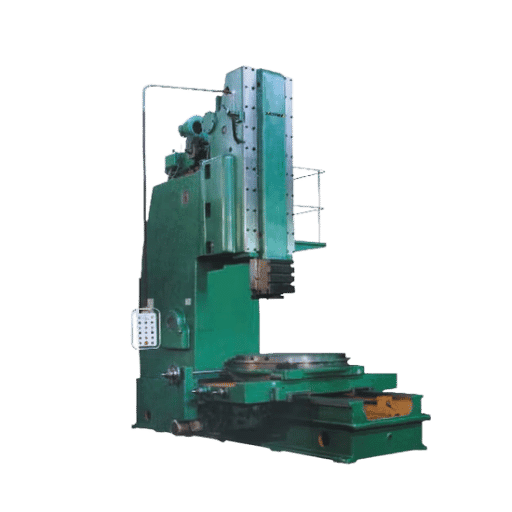
Efficient Operations through Autonomous Technologies
Automation Success Metrics
Autonomous operations systems have proven their value by reassigning routine tasks to machines, allowing human workers to focus on higher-value, more engaging activities. In manufacturing environments, automated assembly lines maintain minimal downtime while significantly reducing waste generation.
Challenges in High-Precision Machining
High-accuracy manufacturing sectors face multiple complex challenges that require specialized attention and expertise:
Primary Challenges:
- Tight Tolerances: Maintaining extremely precise specifications
- Material Consistency: Managing variability in raw materials
- Tool Wear Management: Minimizing degradation effects on surface finish
- Operator Training: Ensuring skilled personnel for complex operations
- Cost Management: Balancing precision requirements with economic viability
Enhanced Cost Savings Through Proactive Maintenance
They help in minimizing costs significantly in a number of ways, such as avoiding unscheduled stoppages and extending the useful life of the assets. An organization can afford to;
Prevention Focus
Identify and resolve issues before catastrophic failure occurs
Energy Optimization
Improve equipment energy efficiency and overall productivity
ROI Enhancement
Maximize return on investment through reduced operational expenses
Frequently Asked Questions (FAQs)
Q: What are described by the slotting machines and the slotting tools?
A: It is essential to understand that slotting machines are also cutting machines. Such machines allow a machinist to create groves, slots, and keyways by using a slotter or broaching tools. In more traditional industries, these machines find great application for their precision in slotting operations.
Q: What is the mechanism of keyway cutting with a slotting machine?
A: In layman’s terms, if I may say so, keyway cutting has to do with a special cutter that cuts grooves or keyways to a workpiece by blocking out such grooves or gaps. A slotting tool is a machine that works by moving the tool linearly to take the required shape. It is thus an important process meant for the production of parts that come together and fit in the assembly smoothly.
Q: What is the difference between slotting and broaching?
A: Shaping implements are used mainly for slotting, and shaping grooves; on the other hand, gear shaping equipment is used for making internal keyways and slots. Cutting with shaping tools is usually repeated until the tool cuts through the material, whereas shaping with gear tools is usually performed in one cutting pass; therefore, the scope of energy-efficient and accurate mechanics becomes larger.
Q: Is there any other way of changing the slotting operation in another kind of CNC machine?
A: Computer numerical control machines are capable of automating the cutting processes with a level of precision that guarantees that keyways and other component features will be manufactured in the same tolerance range. These CNC machines take full advantage of the cutting conditions that are predetermined for every degree of their utilization so as to magnify performance while prolonging the life of the tool used; hence, they provide a higher level of uniformity towards completing tasks.
Q: What are keyway broaches, and how do they contribute to machines?
A: Keyway broaching tools are specially designed machine tool accessories used for the generation of internal keyways of high definition. They offer excellent cutting ability and are interchangeable for different keying internal profiles, even within the same soft or hard material, thereby limiting the change in tooling. This helps to reduce the chance of cutting tools that would often take place.
Q: Which industries commonly use slotting machines and tools?
A: Slotting tools and machines are utilized across diverse industries, including automotive manufacturing, aerospace applications, and construction sectors. They are essential for creating components requiring high precision in keyways and slots for proper assembly and efficient operation. These versatile machines can be customized for sector-specific applications.
Q: What factors influence broaching tool cutting performance?
A: Broaching tool cutting performance depends on several critical factors including tool geometry, workpiece material properties, and cutting operation depth. Additionally, maintaining sharp cutting conditions, preventing tool deflection, and optimizing cutting parameters are essential for achieving optimal performance results.
Q: How can I ensure my slotting machine tools last longer?
A: Extending slotting machine tool life requires consistent maintenance practices including regular inspections, thorough cleaning to prevent debris accumulation, and proper lubrication of moving components. Periodic tool inspection, proper alignment, and adherence to scheduled maintenance significantly improve tool performance and longevity.
Q: What is keyway broaching on CNC lathes?
A: Keyway broaching on CNC lathes involves using appropriate broaching tools to create internal keyways with high precision. This automated approach minimizes manual operation requirements while providing high-speed processing capabilities, improving both product quality and production quantity through CNC automation.
Conclusion
The Future of Precision Machining
Modern slotting machine tools represent the pinnacle of precision machining technology, combining advanced materials, intelligent automation, and data-driven optimization to deliver unprecedented performance and reliability in manufacturing operations.
The process of transition of slotting machine tools from a plain mechanical device to a device loaded with advanced technology and electronics must have had a great impact on the ability to cut with precision. These machines harness the potential of CNC automation integrated with IoT, advanced materials, to achieve high precision and performance while extending durability.
Maintenance and operational best practices, accompanied by proper processes of running these machines, all encourage an improved utilization of resources and once more guarantee compliance with the primary objective of quality. The state-of-the-art products that meet modern demands will be made with no dulling of the cutting edge because the level of slotting machine tools will keep on advancing, even more exhaustive technologies for tomorrow’s precision machining challenges.
Key Takeaways for Success
Embrace automation and smart monitoring systems
Implement systematic preventive care programs
Stay updated with emerging technologies and techniques
Reference Sources
- 1. Key (engineering)2. MILLING-GRINDING-DRILLING AND SLOTTING Carnegie Mellon University – PDF Resource
The downloadable material will contain all the data you will need related to slotting and other machining operations.3. MACHINING OPERATIONS AND MACHINE TOOLS
Michigan State University – PDF Resource
This resource from Michigan State University looks into the different machining operations, such as shaping, planing, and slotting.