




What is Slot Milling? Understanding the Milling Technique and Types of Slot Milling
Slot milling is the process employed to create precision keyways and grooves in workpieces and is widely used across various industries. In order to facilitate its execution, the process of Slot milling involves the use of special cutting tools and strategies, and as a result, is highly effective in the context of defined channel cutting and is economical in carving out. Therefore, no matter the class of metal, plastic, or any other material, slot milling serves as the essential component for modern-day machinery and automotive manufacturing and is also highly beneficial for aircraft.
Introduction to Slot Milling
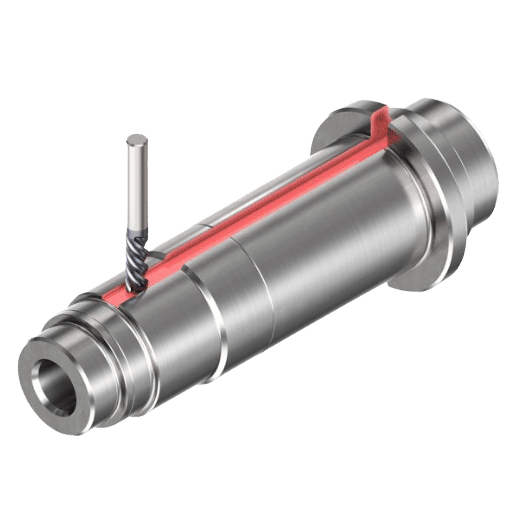
Slot milling is a procedure used for cutting a workpiece to create slots, grooves, and keyways. The workpieces have steel, wood, and aluminium. In the system, the quality of the work depends on the rotating cutter, end mill, or slot drill. The whole system revolves around the precise removal of material along a given curricular path. This method is applicable and efficient in the manufacture of various items or parts. The workpieces/ products are then cut to the needed dimensions and shape, and as such, repeatable cuts are possible.
Primary Benefit: The largest advantage of slot milling is the ability to faithfully reproduce details and even surface finishing, making the tool especially useful to the automotive, machinery, and aerospace industries.
Definition of Slot Milling
Slot milling is the process of cutting a slot or groove into a workpiece with a rotating tool. In this technique, the tool moves along pre-designed paths, and careful movement of the tool is required to achieve the desired slot width, depth, and shape.
Technological developments, such as CNC systems, have taken such machining procedures to a whole new level of precision, efficiency, and repeatability.
Significance in Modern Manufacturing
With the inherent merits of high accuracy, modern, accurate component manufacturing is of great importance in present-day manufacturing. By facilitating the creation of grooves, it is also essential in:
- Assembling parts with precision
- Ensuring compatibility between components
- Meeting stringent industry standards
- Supporting large-scale manufacturing demands
With the integration of advanced CNC systems, slot milling contributes to improved production efficiency, reduced waste, and enhanced product quality.
Advancements in Tools and Techniques
The quality, accuracy, and adaptability of manufactured components have greatly advanced through recent innovations in slot mill technology:
- Carbide end mills: tools previously made by welding were upgraded to have a greater cutting speed and to wear out more slowly due to the harder material used.
- CNC Systems that are Redefining Tool Usage: Integrated systems now use real-time scanning that has enabled higher adaptability to slot mills in complicated operations that previously required static setups.
- Advanced Quality Workflows: Advanced quality maintenance and management systems are integrated to streamline and increase overall productivity in component manufacturing. The new technologies also help to reduce waste and meet the requirements to provide products with reduced material defects.
What is Slot Milling?
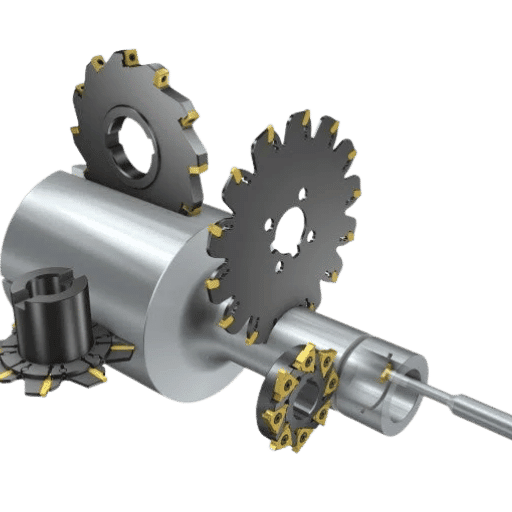
Definition and Purpose
Slot milling is used for creating an accurate groove of a certain dimension and position on a workpiece. It can delicately reshape and remove materials without going off course. This is done with the help of a highly controllable rotating cutter, like an end mill.
Common Applications Include:
- Creating keyways for mechanical assemblies
- Manufacturing T-slots for modular construction
- Producing other features essential for mechanical assemblies
The purpose of slot milling is to achieve accurate geometries and surface finishes, ensuring components meet stringent functional and structural requirements. With advancements in tool design and CNC technology, slot milling has become more efficient, offering unparalleled precision for complex machining applications.
Types of Slots Created
| Slot Type | Key Features | Applications | Special Characteristics |
|---|---|---|---|
| Keyway Slots | Precise rectangular grooves | Shaft and hub connections | Tight tolerances required |
| T-Slots | T-shaped cross-section | Machine tool tables | Modular clamping systems |
| Dovetail Slots | Angled sides for retention | Machine tool slides | Self-locking design |
| Straight Slots | Simple rectangular profile | General machining | Basic material removal |
| Curved Slots | Non-linear path | Specialized components | Complex toolpath required |
Importance in Manufacturing
The importance of manufacturing lies in its role as the backbone of economic development and innovation. Slot milling specifically contributes by:
Economic Impact
Enables large-scale production of goods and supports job creation across industries.
Technological Advancement
Drives innovation in manufacturing processes and tooling technologies.
Supply Chain Support
Ensures a reliable supply of essential components for various industries.
Industrial Infrastructure
Fosters resilient manufacturing capabilities critical for societal progress.
Key Techniques and Strategies in Slot Milling
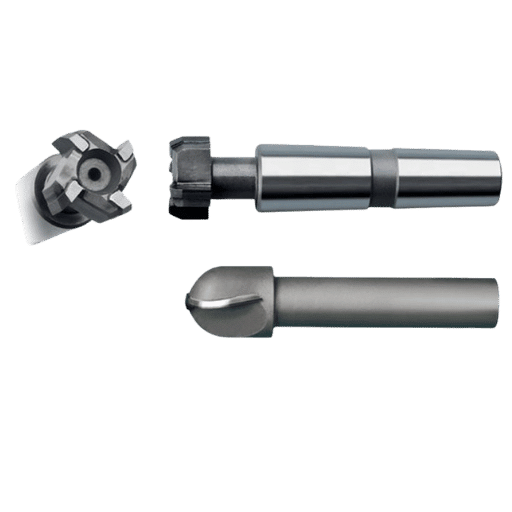
Ramp Down Entry Technique
The ramp down entry technique is widely used in slot milling to enable smooth tool engagement and reduce tool wear. It involves gradually lowering the cutting tool into the material at a controlled angle rather than plunging directly.
Benefits include:
- Minimizes abrupt force on the tool and workpiece
- Enhances cutting stability
- Reduces vibrations
- Ensures longer tool life
- Achieves precise machining results
Comparison of Down Milling vs. Up Milling
| Parameter | Down Milling | Up Milling |
|---|---|---|
| Cutter Rotation | Same as feed direction | Opposite to feed direction |
| Cutting Force | Lower, consistent | Higher, increases gradually |
| Surface Finish | Smoother, precise | Rougher, less precise |
| Tool Wear | Reduced, longer life | Higher, faster wear |
| Chip Removal | Efficient, no recutting | Less efficient |
| Machine Rigidity | Requires rigid machines | Suitable for older machines |
| Applications | Precision, finishing operations | Roughing, harder materials |
| Workpiece Stability | More stable | Higher risk of movement |
Toolpath Optimization Strategies
To work with toolpath strategies better, it will be necessary to consider modern-day technological enhancements as well as stick to traditional machining. These approaches include:
- Functional Clearing Techniques: These help in the reduction of the amount of stress put on the material, especially with the help of cycle times.
- Combining CAM Programs: Make use of the latest 3D software to prepare instant modifications together with simulations.
- High-Speed Techniques: Make better tool paths with effortless transitions to cut paths shorter and efficiently.
- Machine Learning and Big Data, and Analytics: Study and advance the existing tool strategies for the maximum extraction of accuracy and power.
Tools and Equipment Used in Slot Milling
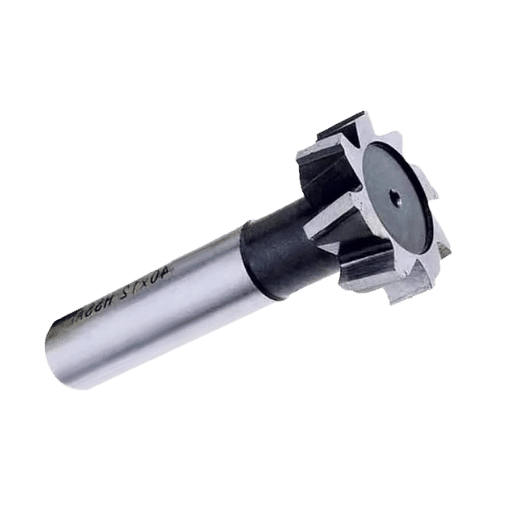
Overview of Cutting Tools
Cutting tools used in slot milling are designed to efficiently remove material while maintaining precision and durability:
End Mills
Versatile tools available in various sizes and geometries, suitable for creating precise slots in different materials.
Keyseat Cutters
Specialized tools for machining keyways, ensuring close tolerances and accurate dimensions.
Slot Drills
Optimized for creating clean and consistent slots in softer materials with excellent surface finish.
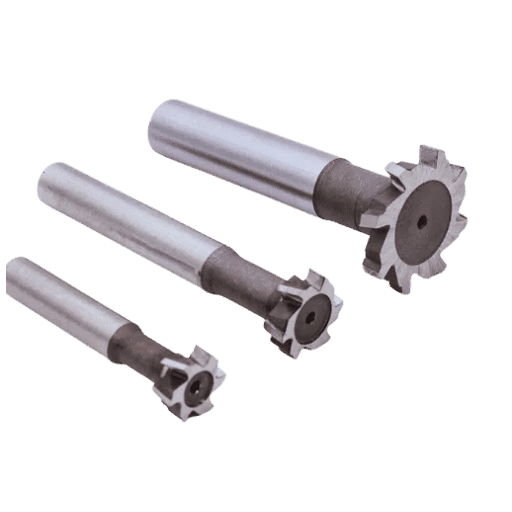
T-Slot Cutters
Designed specifically for machining T-shaped slots commonly used in machine tool tables.
Each tool is selected based on the material being machined, the required slot dimensions, and the specific machining process.
Material Considerations for Tools
The material of a cutting tool is critical for its performance and longevity:
| Tool Material | Characteristics | Best Applications | Advantages |
|---|---|---|---|
| High-Speed Steel (HSS) | Durable and cost-effective | Softer materials | Good toughness, easy to sharpen |
| Carbide | Hard and wear-resistant | High-speed machining, tough materials | Superior hardness, heat resistance |
| TiN Coated Tools | Enhanced heat resistance | General purpose machining | Reduced friction, longer life |
| DLC Coated Tools | Diamond-like carbon coating | Specialized applications | Extreme hardness, low friction |
Machine Requirements for Precision
To make sure machining is done with care, it is essential to pay attention to the following:
- Stable Frame of a Machine: A machine is able to perform stable milling work due to its well-structured body and maximum vibration reduction.
- A Good Quality Milling Shaft: It is important that the shaft has a good calibration, which ensures minimal displacement in the tools for the milling operation; the tools are maintained concentric.
- Movement With Precision: It is very necessary to maintain their positions and repeat with the tools, and for that, high encoders are essential with a certain count in the CNC.
- Thermal Stability: Automatic control of the systems so that they are at a certain controlled temperature is very important, so that the machines cannot expand. This guarantees stable, correct dimensions.
- Regular Maintenance: Routine maintenance of a machine using advanced technology can reduce the risk of failure and increase the machine’s operational capacity. Lubrication, correct alignment, and machine condition analysis should be performed.
Applications of Slot Milling Across Industries
Aerospace Industry Applications
Component Manufacturing
Production of intricate components such as brackets, frames, and panels requires high precision and tight tolerances.
Engine Parts
Fabrication of slots in turbine blades, casings, and other critical engine components.
Structural Components
Aircraft fuselage and wing sections benefit from slot milling techniques for accurate assembly.
Landing Gear Systems
Precision machining of critical slots for components that must withstand significant stress.
Avionics Housing
Creation of compact and robust housings for electronic navigation and communication systems.
Propulsion Systems
Essential slotting for parts in advanced propulsion systems used in modern aerospace engineering.
Automotive Industry Applications
- Engine Components: Engine blocks and cylinder heads are grooved and slotted with ultimate accuracy to guarantee durability and advanced performance
- Fuel Systems: Smooth gear shifting and efficient operation from the fuel tank require accurate slots in the components of the transmission
- Brakes: Braking efficiency and heat dissipation in the system can be increased by removing the wedges in the rotor slots
- Drives: Using high levels of power is important to make sure the slots that are manufactured are effective in putting the small parts into the correct alignment to be connected effectively
- Wiring: The automotive wiring systems are manufactured to work well with the slot housings and the connectors
Medical Devices Applications
Critical Applications in Healthcare:
- Surgical Instruments: Manufacturing highly precise components, ensuring accuracy during medical procedures
- Implantable Devices: Production of orthopedic implants and pacemaker components, where precision and biocompatibility are essential
- Diagnostic Equipment: Machining complex slots and grooves in diagnostic devices for enhanced functionality
- Prosthetics and Orthotics: Creating durable and lightweight component,s improving patient comfort and mobility
- Medical Robotics: Precision machining for seamless integration of robotic components in surgical assistance systems
- Sterile Components: Ensuring slots maintain strict tolerances to meet hygiene and safety standards
Toolmaking Applications
| Application | Description | Benefits |
|---|---|---|
| Precision Dies | Creating precision dies for shaping and cutting materials | Consistent and accurate results |
| Mold Components | Production of complex mold components for plastic injection molding | Tight tolerances and repeatable performance |
| Cutting Tools | Machining slots in drill bits and saw blades | Improved cutting efficiency and chip removal |
| Jigs and Fixtures | Creating slots for secure component holding during machining | Increased precision and workflow efficiency |
| Tool Adjustment Mechanisms | Integral slots for toolholders and adjustment mechanisms | Fine-tuning and secure positioning capabilities |
Tips for Optimal Slot Milling Results
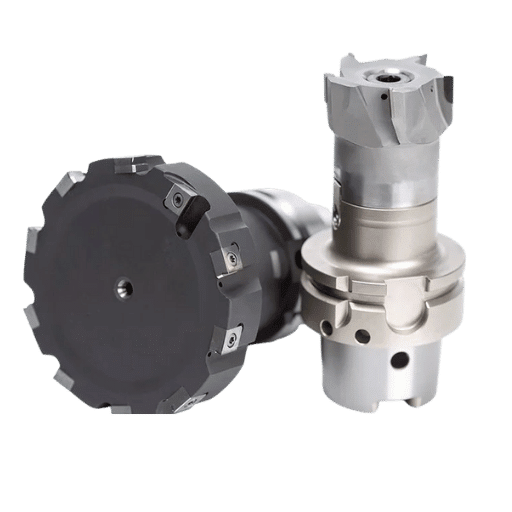
Choosing the Right Tool
Tool Selection Guidelines:
- Workpiece Material: It is better to have tools for the material you are working on that are needed for manufacturing the slots
- Tool Body: For normal work, HSS and Carbide end mills should be preferred
- Size Matching: The tool diameter should match the width of the hole of the workpiece to minimize material waste
- Coating Selection: While working on hard workpieces, it is a good option to choose TiN and TiAln to have better results
- Machine Compatibility: Regardless of the matter of fact,t it is a must that the compatibility of the work with different tools you are using for the spindle be the machine to be compatible with the tool, with the work slots should be the work as the machine.
Managing Spindle Load
Spindle load management is crucial for machining accuracy and tool service life. The term spindle load pertains to the torque a motor utilizes during a manufacturing process.
Key Management Strategies:
- Real Time Monitoring: Monitor the data using the sensors which are integrated or by the use of machine control software
- Parameter Adjustors: Maintain the load within the boundaries by adjusting the feed rate, cutting speed, and depth of the cut
- Preventive Measures: Guarantee proper lubrication and alignment of the spindle system.
- Advanced Technology: AI-driven systems and CNC software to carry out dynamic parameter adjustments
- Regular Maintenance: Use this to optimize the downtime and productivity.
Consequences of Poor Load Management: Excessive load can cause tool wear, surface defects, or even spindle failure.
Importance of Coolant Usage
Coolant usage plays a critical role in machining processes, particularly in high-performance environments. Proper coolant application is essential for maintaining optimal temperatures at the cutting interface.
Benefits of Proper Coolant Usage:
- Extended Tool Life: Increase the life of tools by up to 30%
- Reduced Cutting Forces: Cuts back on the cutting resistance
- Improved Surface Finish: Very significantly enhances the quality of the surfaces of the machine
- Temperature Control: Protects both the tools and the workpiece from temperature damage
- Dimensional Accuracy: Can destroy all of the extensive growth by holding the parameters uh oh, wrong history, I’ll make sure I have full access next time}`).
- Warning: Non-compliance with suitable coolant methods threatens proper heat control and may result in deficient tool life and heightened wear.
Frequently Asked Questions (FAQs)
Q: What Techniques Can Be Used For Slot Milling?
A: Slot milling’s other techniques include trochoidal milling which is continuously cut to optimize effectiveness, and gang milling requires numerous cutters to make multiple slots at once. Additionally, Gang Milling and Conventional Milling are also effective for the tasks at hand. In conventional milling, the cutter rotates in the working area and feeds in the opposite direction. Conventional milling uses the opposite feeding direction of the rotating cutter, while gang milling uses multiple cutters.
Q: In What Way Slot Milling Can Be Advantageous?
A: Slot milling has a great, time-saving advantage because it can process different kinds of slot shapes with high accuracy as well as deal with deep slots. This is most exploited with the correct milling cutter and techniques. The properly planned and executed milling operations with such tools are advantageous in tool wear and time.
Q: What Are The Drawbacks of Slot Milling?
A: It is indeed a process with various benefits, but there are certain expected drawbacks. In particular, considerable tool deflection may arise and for deep slots, the accuracy expected in the tool profile is not normally achieved as well. These could reduce the general effectiveness of the production process and may need a specific and detailed approach with respect to tooling used during the milling process.
Q: What Are The Different Slot Milling Cutters Available?
A: Type of slot milling cutters available are end mills, t-slot cutters, and woodruff key slot cutters, Each cutter is designed for specific applications and widths of slots, allowing machinists to select the appropriate cutter based on desired geometry of the slot and the material being machined.
Q: What are the Most Slot Milling Applications?
A: Slot milling applications include t-slots and key slots for mechanical assembly and modular construction, offering flexibility to the milling process and, hence, to the most and even subordinated industries, like automotive, aerospace, and the general manufacturing, where the creation of key slot features is the major spotlight of milling process.
Q: How is Slot Milling Different from the Rest of the Milling Processes?
A: Machining slots or grooves is the goal of slot cutting, while other milling operations like face milling are done to create flat surfaces. The slot milling process is hence specialized in producing slots as it does target cut slot’s profile and is less interested in the surrounding grids of the slot.
Q: What Is the Significance of Tool Selection in Slot Milling?
A: The selection of tools goes a long way in the successful execution of the milling operations and the completion of the slot milling job. The right selection of milling tools like end mills or gang milling cutters speed up the material removal, decrease the cutting tool wear, and enhance the production.
Q: What Is Necessary To Ensure Superior Performance While Slot Milling Is Being Done?
A: It does require a careful balance and ensuring minimal tool wear while on slot milling. The best and most enduring way to ensure advancing performance is by understanding the machine and the cutter information. Machine and cutter information processing opens the milling performance and undergoing the right radii, feeds along the cutter geometries to avoid the machine ploughing in the slot are necessary.
Reference Sources
1. Residual Stress Evolution During Slot Milling for Repair Welding and Wire Arc Additive Manufacturing of High-Strength Steel Components
- Publication Date: 10 January 2024 (Wandtke et al., 2024)
- Key Findings: The study of Wandtke et al. in 2024 indicates a substantial connection between the stiffness level, material structure, and the initial repair weld-induced residual stresses. The study likewise suggests that follow-up repair welds are most likely to further raise the level of this type of stress in the affected areas.
- Methodologies: The Wandtke et al. study covered investigations of components made of high-strength steels with minimal yield strengths of 790 MPa. Alongside this, in-situ digital image correlation (DIC) and ex-situ X-ray diffraction (XRD) were used to explore the mill-induced stresses and strains on the same components and on them after milling.(Wandtke et al., 2024).
2. Open-Slot Milling of Tempered JIS SKD11 Steel Using an AlCrN-Coated Carbide Mill-Cutter Analyzed Stages of Tool Wear And Surface Finish Using Various Eco-Friendly Techniques
- Publication Date: 2024-07-23 (Phuc & Trung, 2024)
- Key Contributions: This work establishes the study of the flank wear of cutters and the surface roughness of workpieces attaining the least amounts of 0.22 mm am 0.197 µm when open slot milling runs with 100 m/min cutting speed am 204 mm/min feed and cryogenic cooling with liquid carbon dioxide. This study suggests that LCO2 cryogenic cooling is an effective MQL and LN2 for improvement of the SKD11 steel’s machinability when it’s hardened with optimal tool parameters (Phuc & Trung, 2024).
- Experimental Section: LEarn more about the eco-friendly machining, and the approach and data needed are the cutting speeds and cryogenic cooling with liquid nitrogen (LN2), and the cutting feeds, and cryogenic cooling with liquid carbon dioxide (LCO2). The same setting was done for open slot milling. Further, Trung & Phuc addressed the parameters like tool wear, cutting zone, cutting surface temperature, and surface microhardness.
3. A multi-objective optimization approach to improve slot milling of CFRP composites using Taguchi analysis with grey relational analysis
- Publication Date: 2024-11-03
- Results: The optimal combinations of cutting parameters, that is, the speed of the cut (A), the feed (B), and depth of cut (C) were determined. The results of these variables were evaluated based on their impact on the material removal rate (MRR), delamination factor (Fd), and surface roughness (Ra) with a 95% confidence. Under the identified criteria, the material removal rate (MRR) saw an improvement by 31.25%, and marked improvements were observed in the response variables as a result: Fd and Ra, both improved by 1.66% and 28.3%, respectively, which led to a GRG value increase of 3% in total (El-Deen, 2024).
- Methodologies: The CFRP composite was processed by slot milling using Taguchi’s L9 orthogonal array. Grey relational-based Taguchi analysis was used for multiple response optimization. Analysis of variance (ANOVA) was employed to help process the CFRP composite perform milling. This analysis determined the contributory weights of all and the processing to the setup (El-Deen, 2024).
Conclusion
Slot milling is crucial in the ever-evolving field of modern manufacturing. It is instrumental in producing critical parts for the aerospace and automotive sectors. The evolution of the process marks significant improvements in precision, finish, and cost reduction across various sectors.
Specific applications within a particular industry, such as automotive, aerospace, and medical, are making slot milling a completely transformative production process. Along with various quality and business drivers, aerospace and automotive businesses continue to demand better tolerancing, surface finish, and complexity of part geometry, which demands better quality parts.
Optimal performance in slot milling is the result of fine-tuning machine performance, proper tool selection, cutting strategy, and application properties. The guide, comprehensive in approach, perfectly illustrates how the outlined principles can be perfected, and the costs of production minimized, and the overall productivity maximized.
Through general manufacturing, aerospace, and the automotive and medical industries, including other niche sectors, the art of producing high-quality precision components compliant with the modern industry standards is significantly boosted.
Key Takeaways:
- Various industries use slot milling, a complex process, though the entire task requires a machine.
- A machine needs to have a cutting tool of the needed size and proper cutting properties.
- The use of advanced CNC techniques cuts a lot of time and enhances both quality and precision due to the use of modern technologies.
- Material and product dimensions must be taken into account.
- Research and improved technologies for the enhancement of cutting tools and modern technologies help in improving productivity.