




Top 15 Vertical Lathe Manufacturers to Watch in 2025 – Updated List
Working with the contemporary manufacturing sector comes with vertical lathes playing a very pivotal role, granting superlative precision and efficiency in the machining of large workpieces. In line with such industries, parallel to aerospace and automotive, highly demand for precision and productivity, wherein the other industries would have to depend upon a very huge amount of precision. With the surging demand for vertical turning machines, it becomes even more necessary for companies to discern the top brands when investing in CNC machine tools that are reliable and advanced. This comprehensive guide goes through the suppliers of vertical lathes, giving an insight into the players and their contribution to furthering innovations in the field.
Introduction to Vertical Lathes
What is a Vertical Lathe?
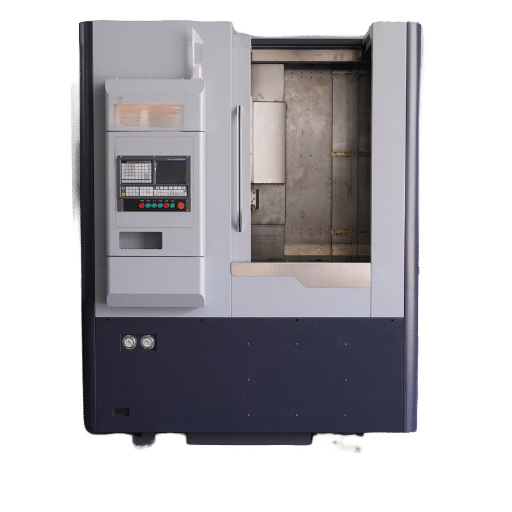
A vertical lathe is a special type of machine tool meant for the precision machining of large workpieces with very large diameters. While conventional lathes have their spindles positioned horizontally, vertical lathes decided to orient theirs vertically for ease of loading and unloading heavy workpieces. Thanks to the peculiar concept behind the machines, vertical lathes are able to carry out complex turning and milling operations with high accuracy, earning them prominence in industries that require more intricate machining processes. Also, its vertical structural design allows the infusion of CNC technology, giving it higher levels of accuracy and automation.
Importance of Vertical Turning Machines in Manufacturing
By virtue of producing high-precision components rapidly, the vertical turning machines have found a place in the modern manufacturing setup. Owing to their design, they are very rigid and stable, which in turn becomes exciting when machining large-scale workpieces. Owing to the flexibility offered by the vertical CNC lathe, it can provide operations such as drilling, grinding, and milling. In return, this aids productivity and provides time reduction for machining processes. Manufacturers are now associating CNC vertical lathe machines closely with efficiency and precision; thus, in production fields like aerospace, where precision and reliability are of utmost importance, it is all the more essential.
Overview of the Market for Vertical Lathe Manufacturers
The market for vertical lathe manufacturers comprises a wide variety of suppliers, each providing a different design to suit various industry requirements. Prominent manufacturers like Okuma and Soraluce have established themselves as key players by introducing continual innovations into vertical machining centers. Demand for large vertical turning lathes with advanced automation has steered manufacturers to develop CNC vertical lathe products serving industries that highly demand productivity and precision. With ever-changing market demands, manufacturers are increasingly focusing on incorporating new technologies to augment performance, thereby meeting the demanding life cycle needs set by world industries.
Top 15 Vertical Lathe Manufacturers
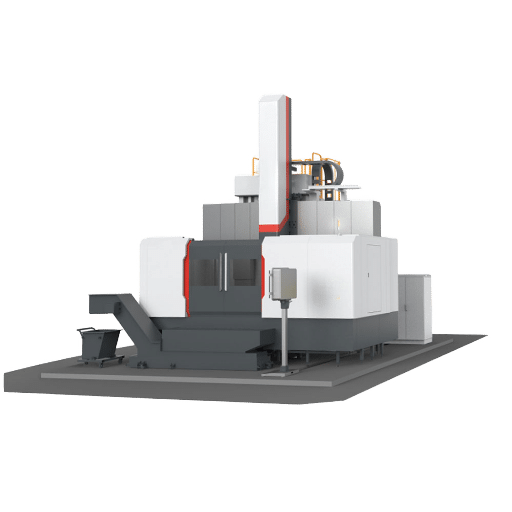
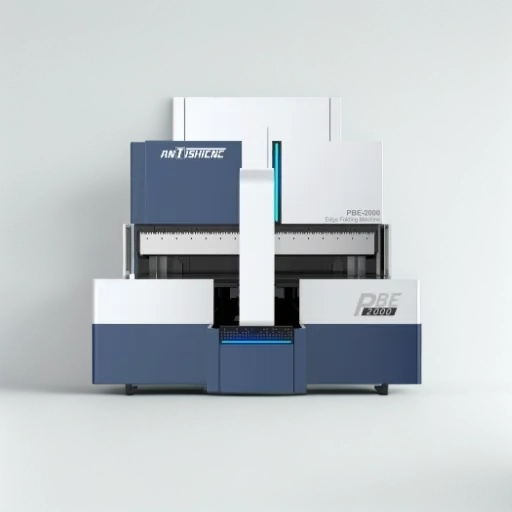
ANTISHICNC
Not specified (Part of Shanghai ANTS Machine Equipment Co., Ltd.)
A leading Chinese exporter of CNC and metalworking machines, ANTISHICNC is renowned for its high-quality manufacturing equipment and global reach.
- CNC vertical lathes
- Slant bed CNC lathes
- Swiss-type CNC automatic lathes
- Vertical machining centers
GMW Machines GmbH
Not specified
A German manufacturer specializing in vertical turning lathes and other precision machinery.
- Vertical turning lathes
- Horizontal boring mills
- Machining centers
Amera Seiki
1991
Based in Texas, USA, Amera Seiki offers a range of CNC machinery for various industries.
- Vertical turning lathes
- Vertical machining centers
- Horizontal boring machines
OKUMA AMERICA CORPORATION
1984
A prominent provider of CNC machine tools and advanced technologies in the USA.
- Lathes
- Machining centers
- Grinders
- Automation systems
Shanghai Sealion Machine Tool Co., Ltd.
Not specified
A Chinese manufacturer offering a wide range of metal cutting and machining tools.
- Vertical and horizontal lathes
- CNC boring mills
- Machining centers
SORALUCE
1962
A Spanish manufacturer specializing in milling, boring, and turning equipment.
- Vertical lathes
- Multitasking machines
- Milling machines
Waldrich Coburg
1920
A German company known for large precision machine tools.
- Vertical turning machines
- Horizontal milling machines
- Grinding machines
ABL Machine Tools
Not specified
A manufacturer of heavy-duty vertical turning lathes and other industrial machinery.
- Extra heavy vertical turning lathes
- Double-column machines
Momentum North America
Not specified
A supplier of vertical turning lathes and other machining solutions in North America.
- Vertical lathes
- Machining centers
FEELER
Not specified
A manufacturer of vertical CNC lathes and other precision machinery.
- Vertical CNC lathes
- Machining centers
Pietro Carnaghi SPA
Not specified
An Italian company specializing in large vertical lathes and machining centers.
- Large vertical lathes
- Multitasking machines
You Ji Machine Industrial Co., Ltd.
Not specified
A Taiwanese manufacturer of vertical lathes and machining centers.
- Vertical CNC lathes
- Heavy-duty machines
ACCUWAY Machinery Co., Ltd.
Not specified
A Taiwanese company offering CNC vertical lathes and machining solutions.
- Vertical CNC lathes
- Machining centers
PRO RICHYOUNG Industrial Co., Ltd.
Not specified
A Taiwanese manufacturer of CNC vertical lathes and other machinery.
- CNC vertical lathes
- High-quality machinery
Ryokuta Machinery Co., Ltd.
Not specified
A Taiwanese supplier of vertical lathes and machining tools.
- Vertical lathes
- CNC machinery
Comparison Criteria for Vertical Lathe Manufacturers
Machine Specifications: Swing Diameter and Axes
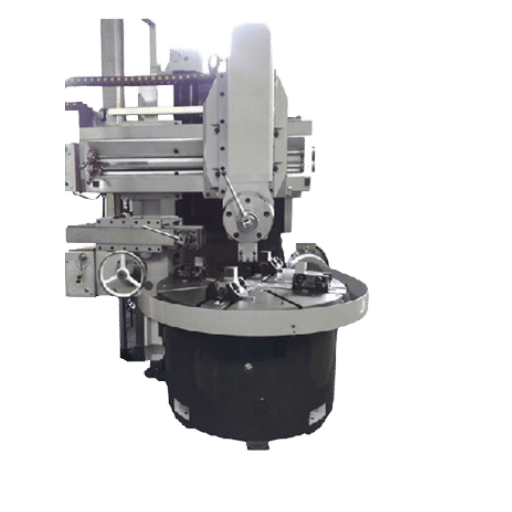
The vertical lathe manufacturers you evaluate should be primarily assessed for machine specifications, mainly swing diameter and the number of axes. The swing diameter restricts the size of the workpiece, so this is very important for industries working on giant components. Other than that, the number of axes determines the machine’s ability to carry out complex turning and milling operations. Greater numbers of axes enhance intricate machining capabilities, thus making the machine even more versatile and accurate.
Precision and Performance: Table Speed and Spindle Options
Precision and performance are central to being effective. The speed of the table and the spindle options, on the other hand, are paramount. Table speed determines the quickness with which the lathe can machine workpieces, and much accuracy is so in machining, ultimately determines the productivity. Power and speed of the spindle options must be applied with great care to attain high precision in machining. Advanced technology for the spindle will also benefit the lathe in working with different materials and intricate operations with great precision and efficiency.
Cost-Benefit Analysis of Vertical Turning Machines
Every time you select a vertical turning machine, it is crucial to carry out a cost-benefit analysis. This analysis looks at the price and operational costs side-by-side with the benefits that could be gained, including increased productivity, accuracy, and maintenance downtime. The value can also be considered through lifespan, ease of maintenance, and energy consumption. By considering such elements, manufacturers will thus make informed decisions toward their needs in operations and the budget side to ensure that an investment is worth making.
Key Evaluation Criteria
- Initial Investment: Purchase price and installation charges
- Operating Expenses: Energy, maintenance, and tooling costs
- Productivity Gains: Shorter cycle times and higher throughput
- Quality Gains: Higher precision and less scrap
- Return on Investment: Payback period and profit in the long run
User Reviews and Experiences
Customer Feedback on Vertical Lathe Performance
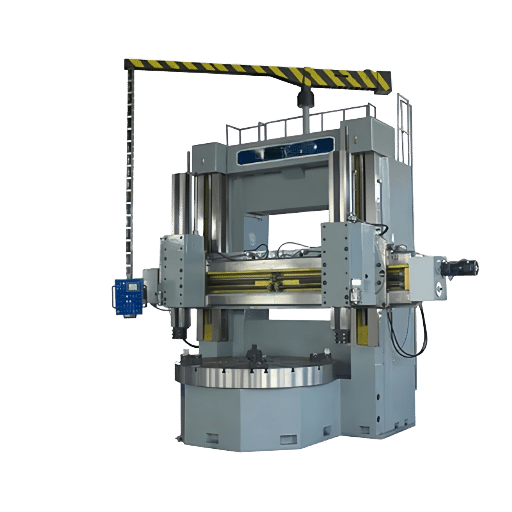
Customer feedback holds great significance in evaluating a vertical lathe’s performance under various manufacturing environments. Users confidently highlight the precision and efficiency of working on large workpieces, very much emphasizing the need for sturdy construction and modern CNC technology. Many customers love that efficiency is further increased by features like automatic tool changers and high-speed spindles, which work very well together. Usually, this feedback stresses the reliability of these machines to hold tight tolerances for long periods of time, hence being the people’s choice in the tough industries.
Comparative Analysis of User Experiences Across Manufacturers
Weathering the user experience in the context of different vertical lathe makers will involve several parameters such as machine design, ease of operation, and after-sales support. Users tend to compare the various CNC vertical lathes with respect to their accuracy and performance, varying in spindle power and handling difficulties in turning and milling tasks. Okuma and Soraluce are often lauded for their superior design and customer support. Such comparative details help an interested buyer to decide for themselves a lathe that fits with their particular needs and expectations.`
| Manufacturer | User Rating | Strengths | Common Feedback |
|---|---|---|---|
| OKUMA | ⭐⭐⭐⭐⭐ | Advanced technology, reliability | Excellent precision and support |
| SORALUCE | ⭐⭐⭐⭐⭐ | Customization, digital services | Outstanding customer service |
| Waldrich Coburg | ⭐⭐⭐⭐ | Large workpiece handling | Premium quality, higher cost |
| Pietro Carnaghi | ⭐⭐⭐⭐ | Large-scale machining expertise | Excellent for heavy-duty applications |
| ANTISHICNC | ⭐⭐⭐⭐ | Competitive pricing, support | Good value for money |
Common Issues and Solutions in Vertical Lathes
Some usual problems faced with vertical lathes include spindle misalignment and inadequate workpiece clamping. Users usually find themselves in difficulties with the rigidity and stability of a machine; this is more evident while machining larger components. The answer usually involves regular maintenance and calibration of the machine tool. On the other hand, manufacturers have been on a never-ending road of innovation to try forging machines with concepts that improve the reliability and performance of these machines, in turn reducing their downtime and increasing overall machining efficiency.
Common Challenges and Solutions
- Spindle misalignment: Regular calibration and precision maintenance
- Workpiece clamping problems: Use of advanced fixturing systems for a good setup
- Vibration problems: Increased machine rigidity and better isolation systems
- Tool wear: Optimizing cutting parameters and using quality tooling
- Programming complexity: More advanced CAM software and thorough training of the operators
Industry Trends in Vertical Turning Technology

Technological Advancements in CNC Vertical Lathes
Technology in CNC vertical lathes has seen rapid advances, with improvements aimed at more automation and precision. A few examples of these advancements in spindle technology and control systems are improved machining capabilities that allow for complicated and intricate operations. Real-time monitoring and prediction maintenance facilities help in improving machine reliability and efficiency, thus benefiting manufacturers in optimizing their production procedures while maintaining cost-effectiveness with a high rate of accuracy and productivity.
The Rise of Automation in Vertical Turning
Being the new face of modern machining methods, automation in vertical turning has drastically sped up transformation processes in terms of efficacy and consistency. Workpieces are loaded and unloaded seamlessly through automated systems, minimizing human intervention and maximizing throughput. The incorporation of robotics and intelligent sensors has made machining operations more efficient and exact in controlling and monitoring machining parameters. Thus, automation helps raise productivity. It allows an ever-increasing degree of precision and repeatability that is majorly demanded in modern-day industries.
Future Prospects for Vertical Lathe Manufacturing
In the future, ADLAT manufacturing will be promising, driven by constant innovation and the increased incorporation of digital technologies. The manufacturer is concerned with smart CNC machine tools designed to utilize AI and machine learning for process optimization. The trend of going green and energy efficiency has now permeated the industry, having new designs for machining objects that cut down on carbon footprints. Vertical lathe technology will continue to evolve to meet the needs of advanced manufacturing with increased demand in the production of precision components for competitive sustainability and growth.
Selection Guide: Choosing the Right Vertical Lathe Manufacturer
Essential Factors to Consider
- Application Requirements: Must state the types of machining to be performed, the size of the workpieces, and the levels of precision.
- Budget Constraints: One has to consider initial investments, maintenance costs, and profitability throughout the period.
- Technical Support: Find out about technical help, training, and the availability of services by manufacturers.
- Machine Specifications: Compare swing diameter, spindle options, and automation features.
- Delivery and Installations: Take into account the lead time of the system, installation requirements, and the availability of the commissioning team.
- Future Scalability: Analyze upgrade paths and check the technology road map.
Regional Considerations
| Region | Key Manufacturers | Advantages | Considerations |
|---|---|---|---|
| Europe | SORALUCE, Waldrich Coburg, GMW Machines | High precision, robust design, excellent support | Higher costs, longer lead times |
| Asia | ANTISHICNC, You Ji, ACCUWAY, FEELER | Competitive pricing, fast delivery, customization | Variable quality standards, support limitations |
| North America | OKUMA, Amera Seiki, Momentum | Advanced technology, strong service network | Premium pricing, limited local production |
| Italy | Pietro Carnaghi | Large-scale expertise, premium quality | High costs, specialized applications |
Conclusion
The vertical lathe manufacturing industry serves up a variety of solutions as modern manufacturing demands are continually changing. From cost-effective Asian manufacturers to premium European suppliers who enjoy their class uniqueness, each brings their own distinctive strengths to the table. Technological innovation is the forte of manufacturers like OKUMA and SORALUCE, while the likes of ANTISHICNC and You Ji Machine provide low-cost solutions competitive enough with good value.
In choosing a vertical lathe manufacturer, it is essential to balance factors such as precision requirements, budget limitations, and long-term support. With CNC, automation, and digital integration advancing daily, vertical turning machines shall remain at the center of high-precision manufacturing for aerospace, automotive, and other demanding industries.
Vying to capture more automation and sustainability, manufacturers investing in superior technology backed by customer support will continue to thrive into the future. This thrilling future in vertical lathe manufacturing, with AI integration, predictive maintenance, and energy-efficient operations, is definitely a good time for companies to partake in upgrading their machining capabilities.
Key Takeaways
- A vertical lathe is a very important tool in producing precision machining services on large workpieces.
- The best manufacturers create an array of solutions ranging from budget options to state-of-the-art models.
- Trends in technology include automation, AI integration, and sustainability.
- Looking into the machine specification, support, and ROI is firmly to be considered for selection.
- Regional considerations can determine cost, delivery, and the quality of service rendered on these machines.